Russian Drone Hits Nuclear Waste Store Near Kyiv
A Russian drone struck Ukraine's central spent nuclear fuel storage site in the Kyiv region early on June 7, with Energoatom reporting no leak and no casualties.

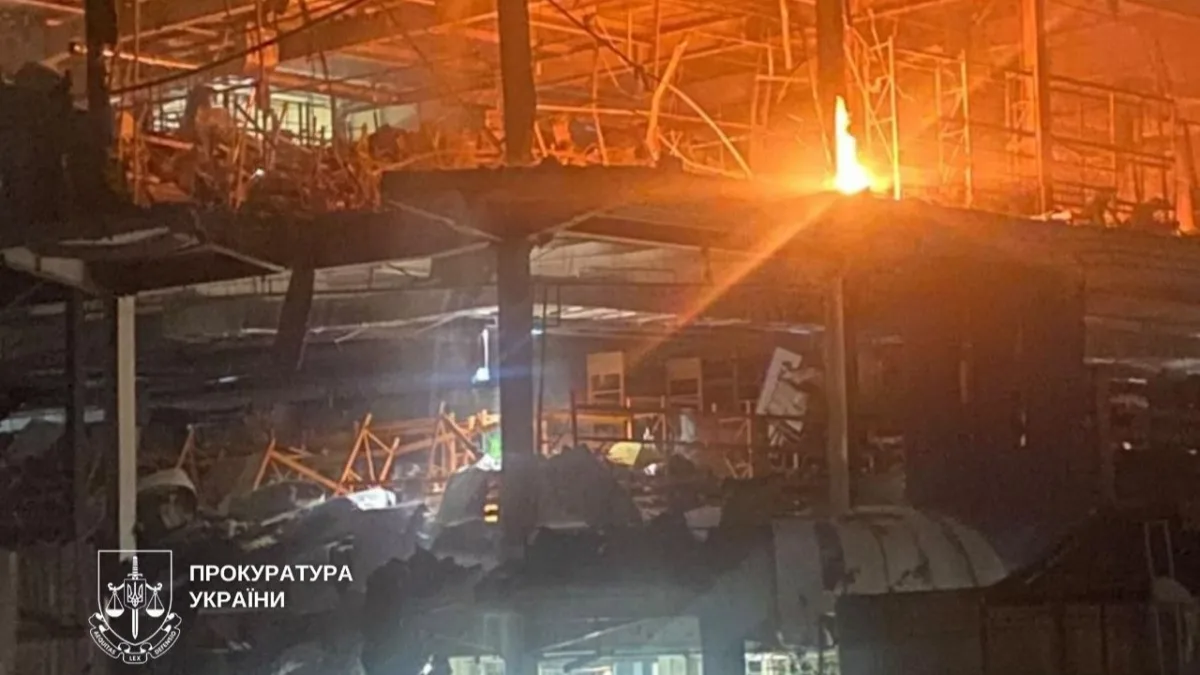
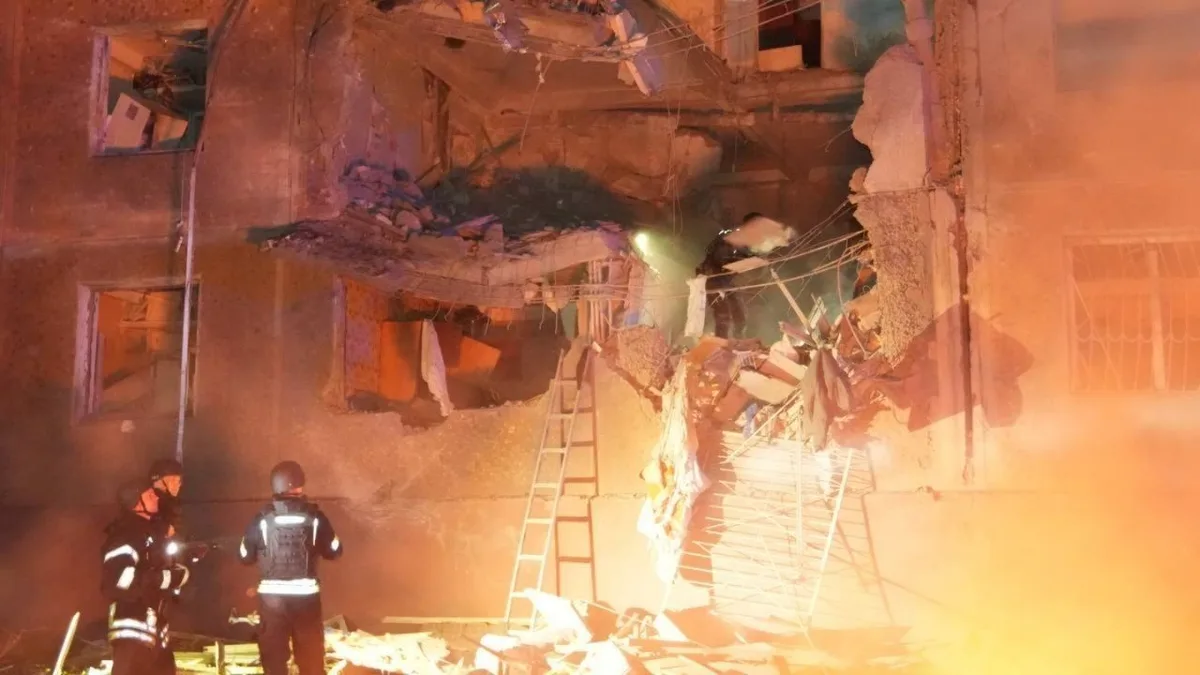
- A Russian drone struck the container intake building at Ukraine's central spent nuclear fuel storage site in the Kyiv region at around 02:10 local time, sparking a fire of roughly 40 square metres.
- The IAEA confirmed the strike, and staff on site heard an explosion at about 01:50 local time.
- Energoatom said the damaged building held no spent nuclear fuel, that there were no casualties, and that radiation levels stayed within normal limits.
- Ukrainian forces hit 26 Russian targets overnight, while 223 combat engagements were recorded over the course of the day.
A Russian drone struck Ukraine’s central spent nuclear fuel storage site in the Kyiv region in the early hours of June 7, the International Atomic Energy Agency confirmed, while the Ukrainian operator Energoatom said there had been no release of radioactive material and no loss of life. The drone hit a building used to receive storage containers at around 02:10 local time, with staff on site reporting an explosion slightly earlier, at about 01:50.
For Serbia, which follows the war in eastern Europe through the dual lens of energy stability and Brussels pressure over foreign policy alignment, any attack on nuclear infrastructure carries particular weight. The incident in the Kyiv region fits a pattern of strikes on Ukrainian nuclear sites that European chancelleries are watching with growing unease, because the risk of more serious damage would reach well beyond Ukraine’s borders.
What exactly happened at the site near Kyiv?
According to Energoatom, the drone hit a building designed to receive containers within the central spent nuclear fuel storage complex. The strike started a fire that covered roughly 40 square metres, though firefighting crews reached the scene quickly. The operator stressed that the damaged part of the facility held no stored spent fuel at the time of the attack, a detail that is decisive for assessing the consequences.
Radiation readings taken on site stayed within normal limits, and there were no casualties. The IAEA confirmed that the strike took place and that its personnel, who maintain a permanent presence at Ukrainian nuclear sites, heard the blast at around 01:50 local time. The agency has warned for months that any attack near a nuclear facility raises the risk of an accident with cross-border consequences.
The central storage site is built to hold spent fuel from several Ukrainian nuclear power plants in one place, reducing reliance on foreign storage capacity. It is precisely that concentration of sensitive material that draws attention far beyond Ukraine whenever such a facility is hit.
How does the strike fit into the wider fighting?
The attack on the storage site was part of an intense exchange of fire overnight. Ukrainian forces, by their own account, struck 26 Russian targets across occupied territory and inside Russia’s Bryansk region. Over the course of the day, 223 combat engagements were recorded, with the heaviest fighting on the Pokrovsk axis, where 46 Russian assaults were logged.
Ukrainian estimates put Russian losses over the past 24 hours at around 1,350 soldiers. The figures are hard to verify independently, but they illustrate the intensity of a conflict that shows no sign of easing despite recent diplomatic efforts. The strike on the nuclear store deepens fears that the front is increasingly reaching infrastructure whose failure could carry consequences far beyond the line of contact.
For European institutions, incidents like this test the framework of nuclear safety under wartime conditions, a framework never designed for a scenario in which fighting takes place around active and stored nuclear capacity. The question that returns after every such strike is this: how many more attacks can Ukraine’s nuclear infrastructure absorb before disaster stops being narrowly avoided?