Geneva: tear gas and water cannon at anti-G7 march
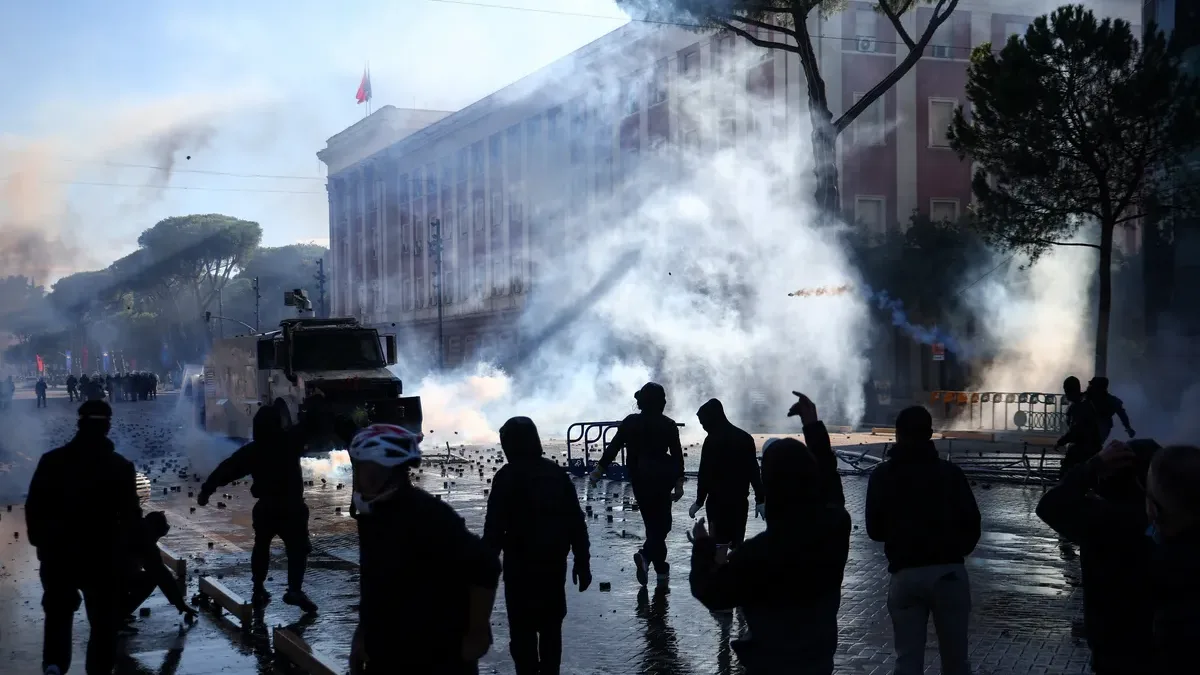
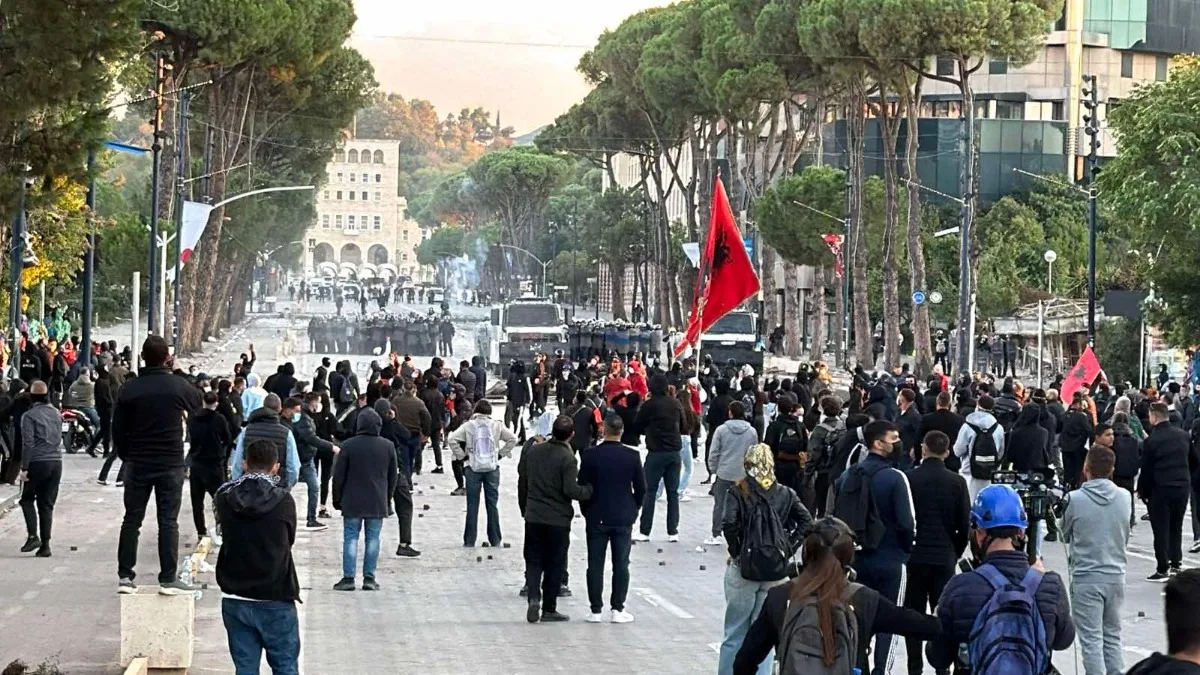
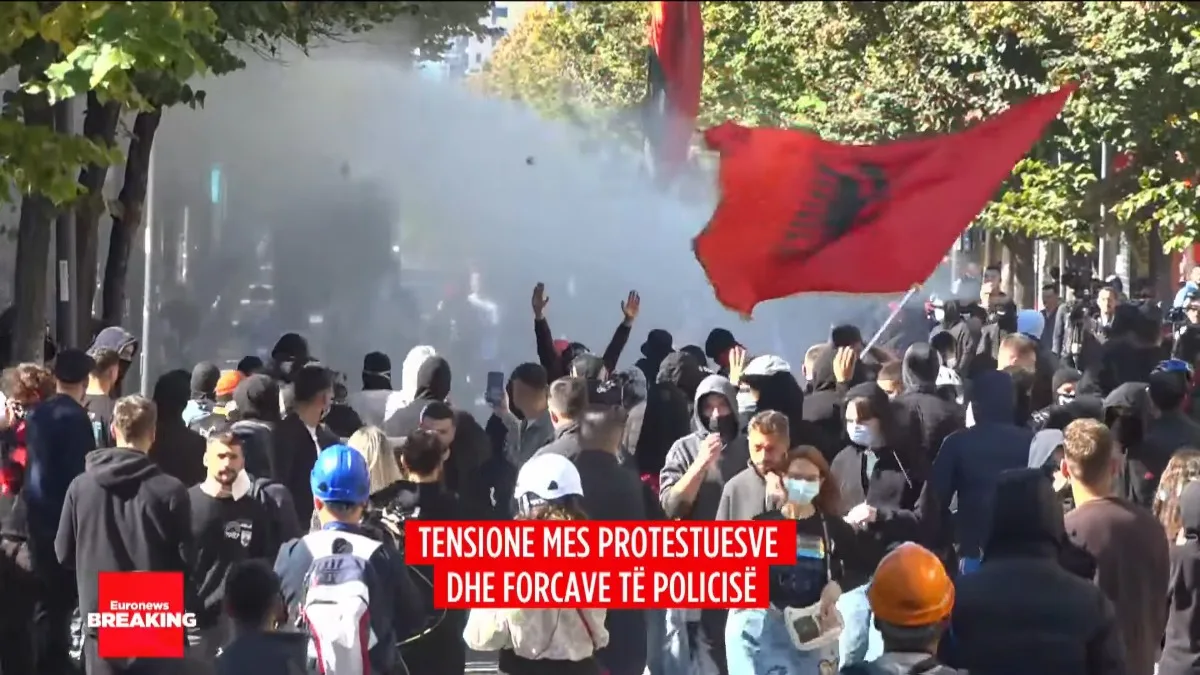
Ahead of the G7 summit in nearby Evian, around 20,000 demonstrators marched through Geneva, and police met black bloc violence with tear gas and water cannon.

- Roughly 20,000 people marched through Geneva, among them about 600 black bloc militants.
- Police fired tear gas and water cannon at demonstrators who hurled stones along the route.
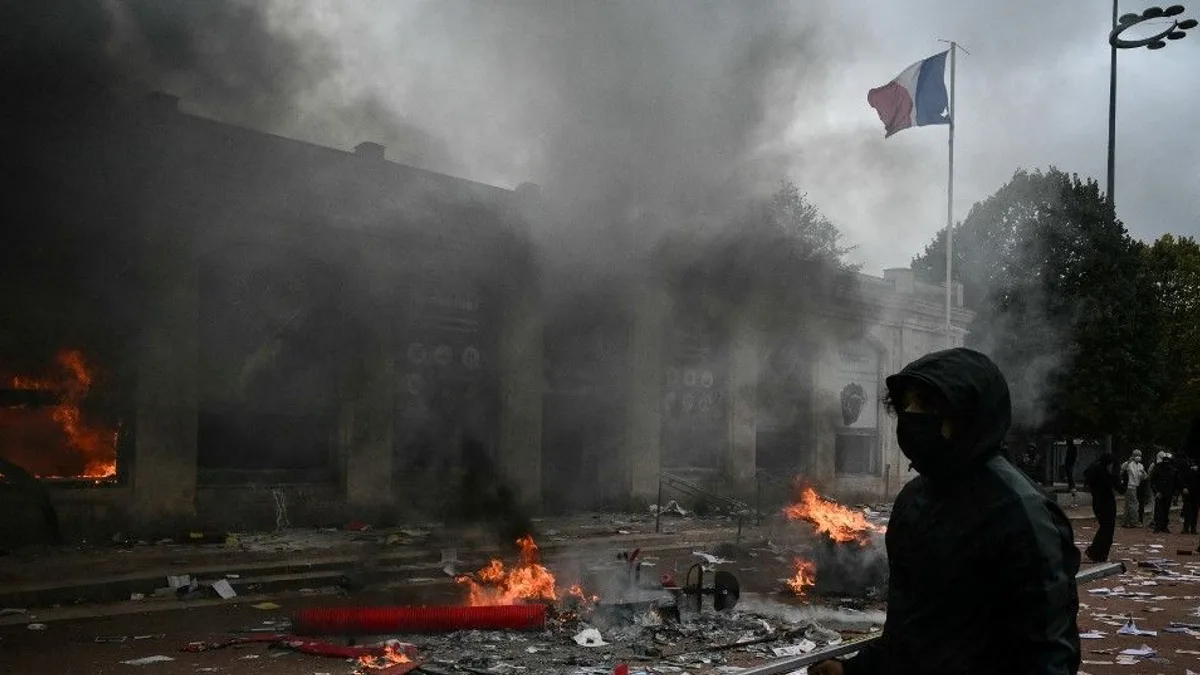
- A car was set on fire and a bank's windows were smashed, while a day earlier some 20 boats sailed onto Lake Geneva carrying anti-G7 banners.
- Heightened security measures were imposed because of the G7 summit in nearby Evian, where the leaders of the seven leading economies are meeting.
As Serbian diplomacy watches every signal coming out of the summit of the seven leading economies, since gatherings like these shape part of the geopolitical reality in which Belgrade pursues its European prospects, the streets of Geneva showed another face of multilateralism on June 14. Around 20,000 demonstrators marched through the Swiss city ahead of the G7 summit in neighboring Evian, France, and a march that began as a large and peaceful event ended in clashes with police.
Among the tens of thousands gathered, Swiss sources estimated some 600 militants of the so-called black bloc. That group set the tone of the day: along the march route a car was set ablaze, a bank’s windows were smashed, and stones and chunks of asphalt were thrown toward police lines. Officers responded with tear gas and water cannon, trying to separate the violent minority from the peaceful majority that had taken to the streets over economic inequality, climate policy and war.
Why did the Evian summit turn Geneva into a flashpoint?
Geography is decisive here. The G7 leaders are meeting in Evian, a French town on the southern shore of Lake Geneva, but the logistics of the protest naturally shifted across the border into Geneva, home to numerous international organizations and a traditional rallying point for civil society. Swiss and French authorities therefore raised security to a level rarely seen: checks at border crossings were tightened, and shop owners in downtown Geneva boarded up their windows days in advance.
The demonstrations did not begin only on Sunday. A day earlier, a flotilla of around 20 boats sailed onto Lake Geneva near Evian, carrying anti-G7 banners and trying to make the gathering visible from the water as well. Swiss media also reported that around 20 demonstrators were detained on Friday evening, a sign that the weekend before the summit’s opening would be tense. The black bloc, a loosely organized network of radical activists that has surfaced at major international gatherings for years, used the crowd as cover, and police faced a familiar dilemma: how to curb the violence without punishing the peaceful participants.
What does the message from Geneva mean for Europe and the region?
For countries seeking European Union membership, the picture is not trivial. G7 summits have long ceased to be purely economic conferences; they are where positions are aligned on sanctions regimes, on the war in Ukraine and on global trade, and all of that touches Serbia too through the transatlantic link and the diplomatic channels connecting Brussels, Washington and Belgrade. When a car burns and a bank is smashed in front of such a gathering, the message is aimed not only at the leaders inside the conference hall, but also at the publics watching them.
Geneva is a city that builds its identity on peace negotiations and humanitarian work, so the sight of tear gas and water cannon on its streets feels almost paradoxical. Yet that is precisely why the symbolism is strong: the discontent spilling onto the streets of the wealthiest Western democracies is not a fringe phenomenon but a lasting pressure on how global questions are decided. The question that remains for the reader is simple, and hard: can summits like the G7 win back citizens’ trust, or will every future gathering be accompanied by the same picture of boarded-up shopfronts and smoke over the street?