EU summit without Orban as Hungary softens Ukraine
On the second day of the Brussels summit, Hungary under new premier Peter Magyar softened the Ukraine conclusions, raising questions for the pace of Western Balkan enlargement.

- EU leaders gathered in Brussels for the first time in 16 years without Viktor Orban heading the Hungarian government.
- Hungary is represented by new premier Peter Magyar of the Tisza party, who lifted the veto on Ukraine's accession process.
- The phrase that the remaining negotiating clusters open "as soon as possible" was deleted from the conclusions adopted on the evening of June 18.
- The Council expects the first disbursement to Ukraine from a 90 billion euro loan before the end of June.
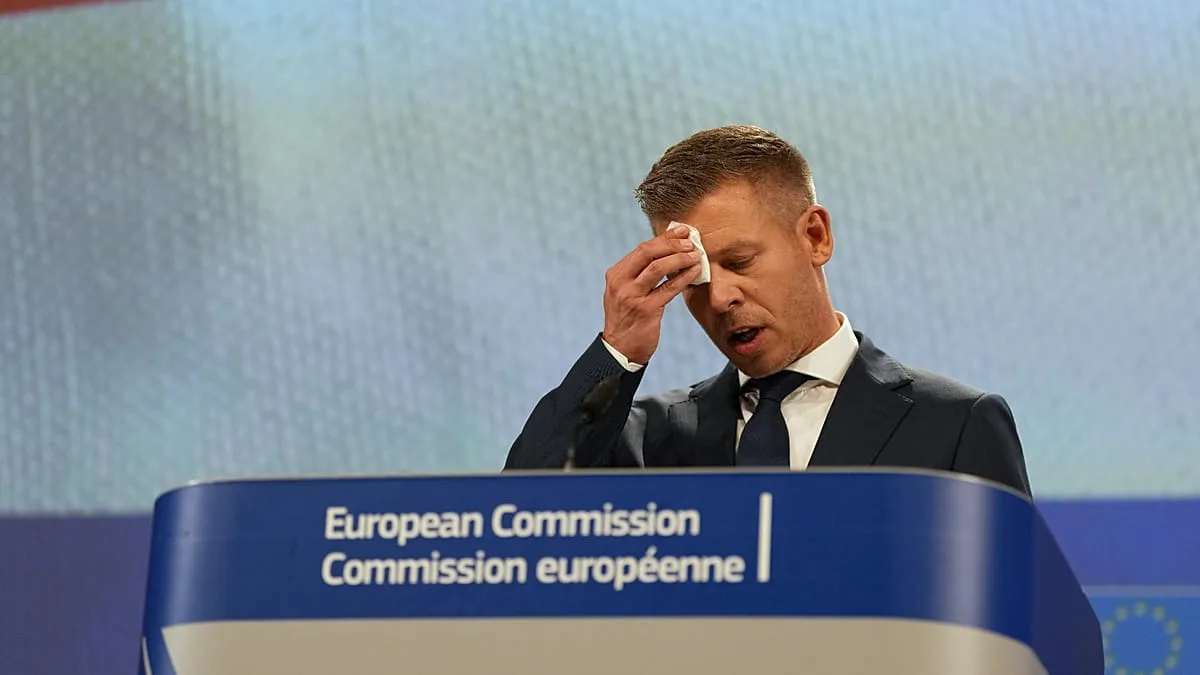
For Serbia, which has long measured its path to membership against the mood in Brussels offices, the second day of the European Council summit brought a change that reaches well beyond Kyiv. EU leaders met on Friday, June 18, for the first time in 16 years without Viktor Orban in the room of heads of government. Hungary was represented by its new premier, Peter Magyar, leader of the centre-right Tisza party, whose summit debut shows just how far a single voice in Budapest can shift the balance of the entire enlargement process.
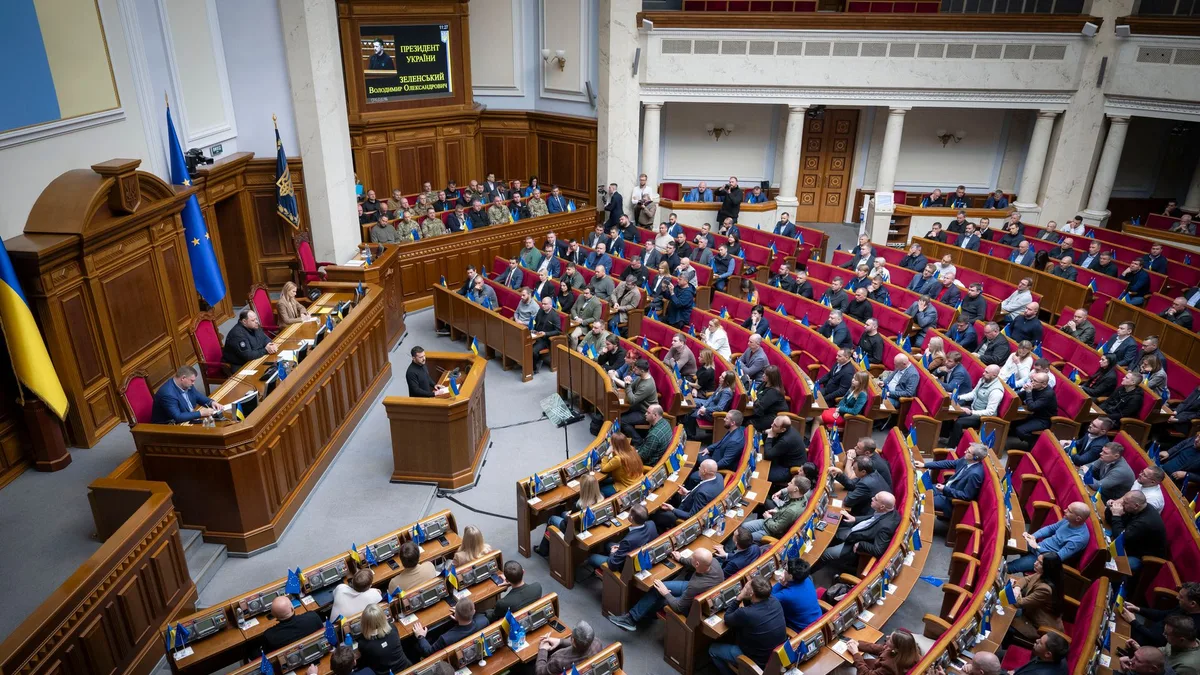
The Ukraine conclusions were only finalised after Magyar reversed Hungary’s previous position. Budapest lifted its veto on launching Ukraine’s accession process, but only after talks with Kyiv on the rights of ethnic Hungarians in western Ukraine. That removed one of the most stubborn obstacles that had blocked Kyiv’s progress towards the Union for years, an obstacle Orban had used as a permanent lever of pressure.
What exactly does the new wording change?
At Premier Magyar’s insistence, the phrase stating that the remaining negotiating clusters would open “as soon as possible” was deleted from the final conclusions adopted on the evening of June 18. It looks like a technical edit, yet in the language of European diplomacy such nuances carry weight. By striking that phrase, the Union kept its declared commitment to enlargement while slowing the obligation to open the remaining clusters at an accelerated pace. It is a compromise between member states pushing for rapid enlargement and Budapest, which even under a new government wants a more cautious rhythm.
The European Council welcomed the holding of the Intergovernmental Conference on Ukraine’s accession and the opening of the fundamentals cluster on June 15, 2026. The Council also expects the first disbursement to Ukraine from a 90 billion euro loan for 2026 and 2027 before the end of June. Financial support, in other words, remains on the table, while the political tempo is carefully metered out.
Why does Hungary’s shift matter for the Western Balkans?
Budapest’s change of tone is not merely a Hungarian domestic affair. Every time the dynamic around Ukraine shifts, so does the framework within which decisions on Western Balkan candidates, Serbia among them, are taken. If the new Hungarian government insists on caution and on deleting language about accelerated cluster openings, that same principle easily extends to the whole region. The pace of enlargement then returns to the hands of individual member states and their bilateral calculations, rather than being driven by clear, time-bound commitments.
Orban, now leader of the opposition, convened a separate gathering of right-wing allies from the Patriots for Europe group and declared that “no electoral defeat can stop this historic process”. That makes clear the internal Hungarian struggle over European policy is not over, but has merely moved from official posts to the opposition benches. For Belgrade it means the enlargement arithmetic grows more complicated: instead of one familiar interlocutor in Budapest, there is now a government changing course and an opposition defending the old one.
The geopolitical reality is that the European perspective of the Western Balkans is increasingly decided at meetings where the region is not even at the table. The question that stays open for readers in Serbia is this: is the more cautious tempo coming from Budapest a cause for concern for us, or a chance to run the negotiating process more thoroughly, without empty promises about speed?