Kremlin: We Are Open to Dialogue, Not Ultimatums
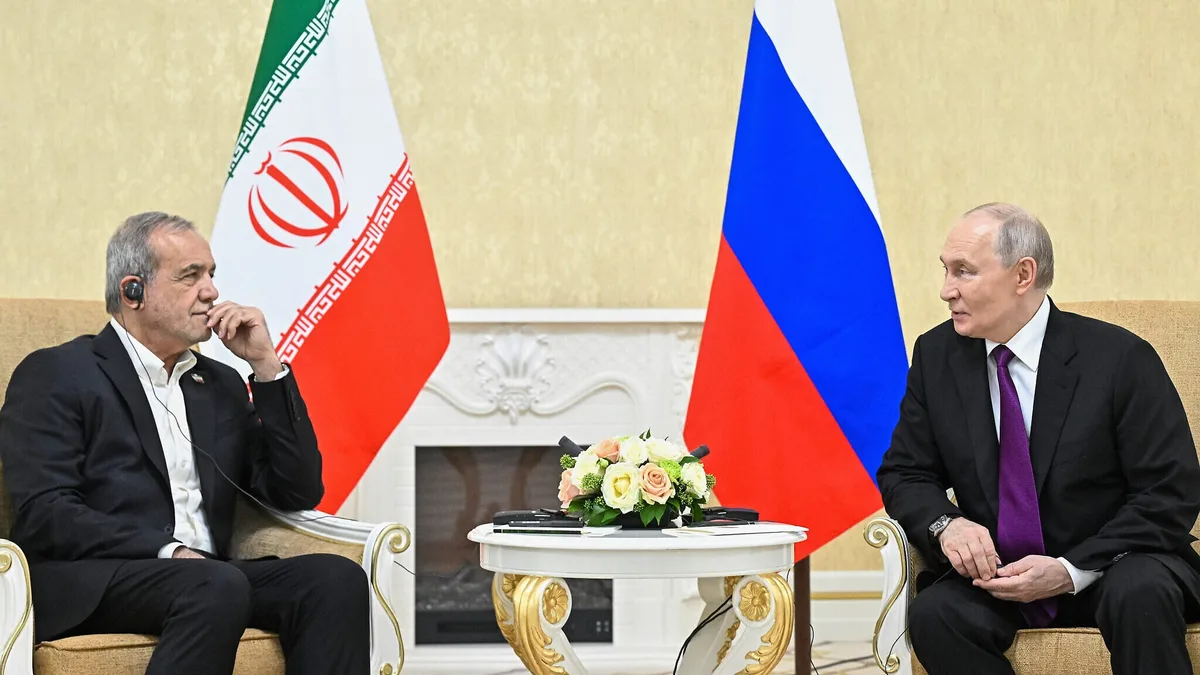
Moscow says it is ready to talk with Europe if forces emerge that grasp the need for dialogue without ultimatums, as Brussels admits a brief diplomatic contact.
- The Kremlin says Russia is open to dialogue with Europe, but without ultimatums.
- Foreign Minister Sergei Lavrov says Moscow will not run and beg European partners for talks.
- The European Council office admitted a brief diplomatic-level contact with Moscow.
- After more than three years of avoided contacts, signals of possible dialogue are rising for the first time.
For Serbia, which has spent years balancing between its European prospect and traditional ties with Moscow, any hint that Brussels and the Kremlin might return to the same table reshapes the calculus across the region. That is why the message the Kremlin sent on June 19 and 20, that Russia is open to dialogue with Europe but not to ultimatums, is not just another line in a long wartime series, but the first concrete diplomatic signal that does not appear on any earlier list of developments.
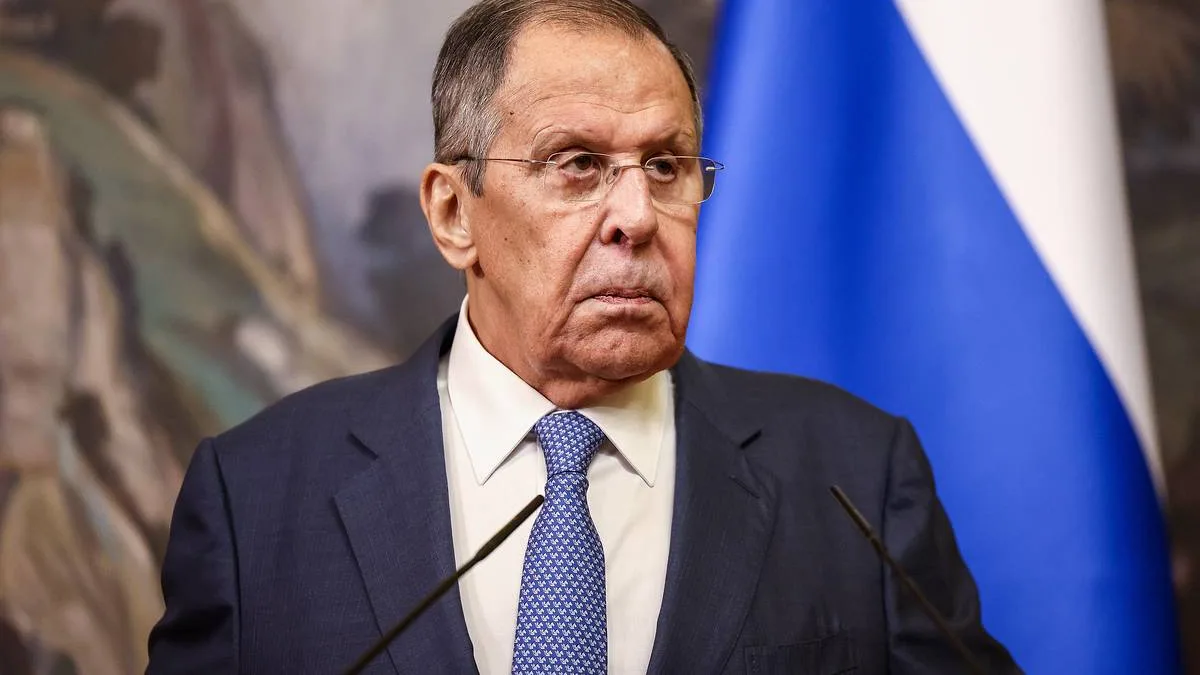
Kremlin spokesman Dmitry Peskov said Moscow is ready for talks if forces emerge in Europe that grasp the necessity of dialogue with Russia, provided that this dialogue is not conducted through preset ultimatums. With that, the Kremlin formulated a position that simultaneously opens a door and sets the price of entry.
What exactly Moscow is saying
Foreign Minister Sergei Lavrov sharpened that line. Moscow, he said, is indeed ready for talks, but it will not, as he literally put it, run and beg European partners to start them. Lavrov argued that European states are not neutral mediators, but rather use negotiations as a tool of pressure, with the aim, in his words, of preserving the regime in Kyiv.
That sentence condenses the entire Russian diplomatic calculus. The Kremlin does not refuse dialogue, but it refuses the role of the side that pleads for it. By placing the burden of initiative on Brussels, Moscow seeks to frame any future contact as a European concession rather than its own retreat. It is a classic pattern of negotiating psychology: whoever calls first is the weaker party.
It is also important to understand the context in which this message arrives. Since the start of the war, European capitals have systematically avoided direct contacts with Moscow, relying on the sanctions regime and on coordination with Washington. Leading member states, among them Germany and France, refused for years any bilateral channel that might look like recognition of Russian war aims. That is precisely why the current shift feels tectonic, however cautious it remains.
Has Brussels really changed course?
The answer, for now, is restrained but not negative. The office of the President of the European Council said a brief contact at the diplomatic level had been established with Moscow, with the aim of opening a channel of communication. The wording is carefully measured: it speaks not of negotiations, nor of concessions, but only of a channel. Yet the channel itself, after three years of silence, is news.
Signals that the Union might seek talks with Moscow are rising precisely as the bloc debates the future architecture of its security. The EU High Representative and part of the membership still insist that no dialogue may legitimize the change of borders by force. Other capitals, faced with the economic burden of sanctions and with war fatigue, are quietly weighing whether a permanent absence of communication is sustainable.
For Belgrade and the whole region, this dynamic is not abstract. If Brussels and the Kremlin find even a minimal diplomatic language, pressure on countries that have not imposed sanctions on Russia could ease or, paradoxically, be redirected. The multilateralism that has been fraying for years could take on a new and unexpected form, and Serbia would again find itself in a space where balancing becomes both harder and more valuable.
One open question will shape the coming weeks: is this the first step toward real dialogue or merely a new round of setting conditions in front of the cameras, and who, in the end, will be the first to pick up the phone?