Lavrov in Tehran: Moscow Offers Mediation on Hormuz
Lavrov's first visit to Iran since the war began on February 28 comes as Tehran-Washington talks are stalled and Moscow urges a return to June's Pakistani framework.
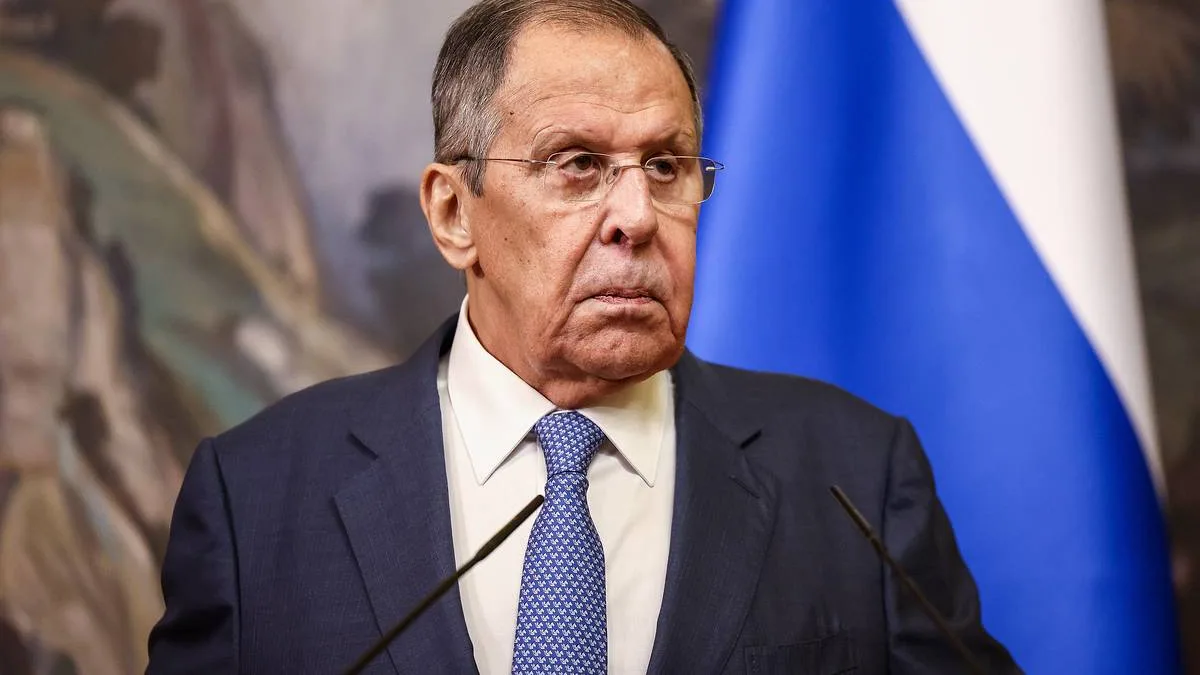
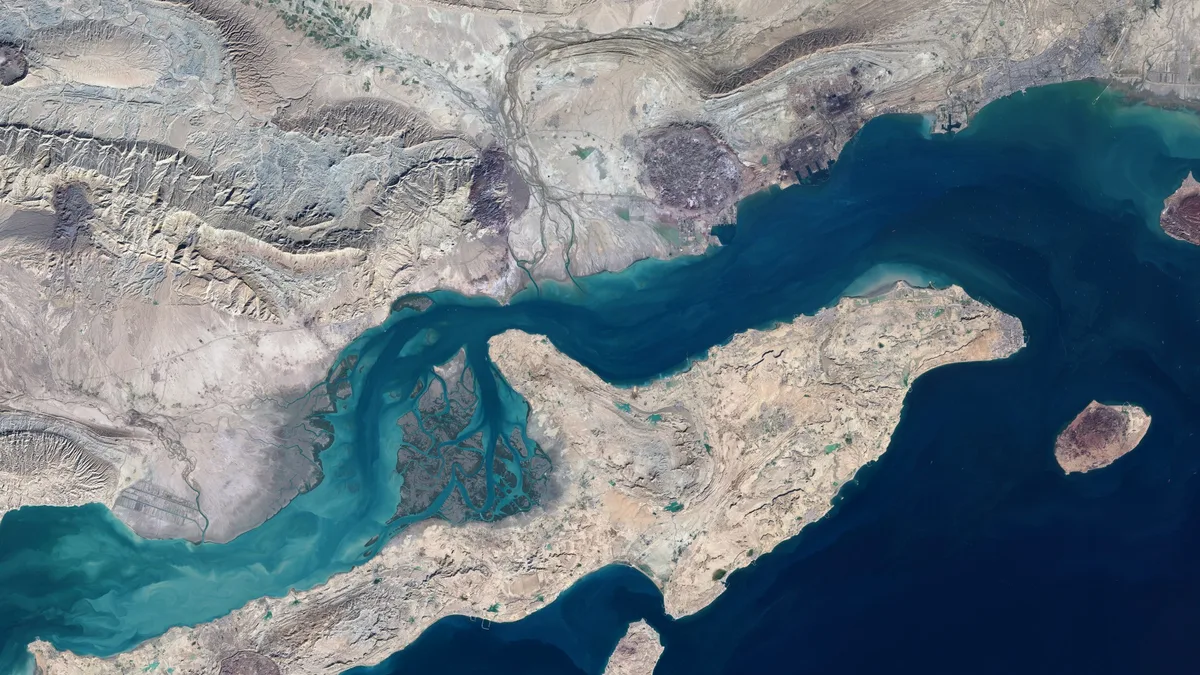
Russian Foreign Minister Sergei Lavrov arrived in Tehran on Monday, October 19, on his first visit to Iran since the United States and Israel attacked the country on February 28. A TASS correspondent reports that he will hold talks with Iranian Foreign Minister Abbas Araghchi and meet President Masoud Pezeshkian. For Serbia, this is not a distant story: nearly a quarter of the world’s oil trade passes through the Strait of Hormuz, so the outcome of talks over it affects energy prices everywhere, including on our market.
What did Moscow say before the trip?
On Sunday, Lavrov said Moscow’s diplomatic efforts aim to prevent a return to full-scale war while talks between Tehran and Washington remain stalled. Iranian Foreign Ministry spokesman Esmail Baghaei confirmed the visit and said the sides would discuss “regional and international developments.”
TASS adds that the agenda will also include steps to strengthen the comprehensive strategic partnership between the two countries, and that Lavrov is likely to brief his hosts on the outcome of the Gulf Cooperation Council ministerial meeting in Manama, the first stop on his tour. He was last in Iran in February 2025.
In Bahrain, according to Kurdistan24, he called for a return to the framework mediated by Pakistan and described it as a possible basis for resuming negotiations. He also said the current conflict is resolved by removing its deeper causes through continued dialogue, not by widening the fighting.
What happened to the June memorandum?
Washington and Tehran signed a memorandum of understanding in June. TASS says it provided for an immediate halt to hostilities on all fronts, including Lebanon. According to Kurdistan24, it also covered maritime security in the Strait of Hormuz, American sanctions, Iran’s nuclear program and wider security arrangements.
The framework collapsed in July, and sources differ on who broke the deal first. TASS writes that on the morning of July 8 the US resumed large-scale strikes on Iran, accusing it of violating the terms on the strait. Kurdistan24 reports that Iran resumed attacks on ships in Hormuz and that the US responded militarily. According to TASS, Washington then signaled that it was giving up on heavy military force and moving to economic strangulation of Iran through sanctions.
Where does Hormuz stand today?
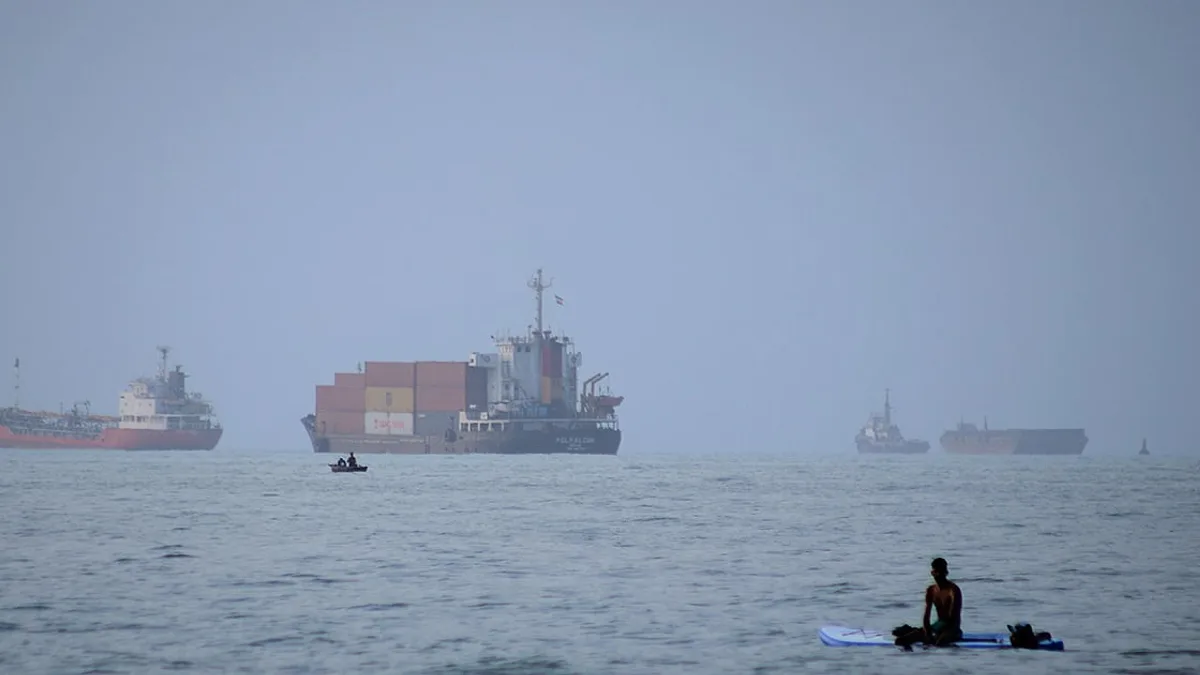
Tehran insists on controlling maritime traffic and fires on vessels that try to pass without permission. Washington has responded with sanctions on Iranian ports, and American warships escort tankers through the strait.
Russia, meanwhile, is offering itself as a mediator. Vladimir Putin told Pezeshkian in early October that Moscow is ready to take part in mediation. Iran’s ambassador to Russia, Kazem Jalali, said the two presidents met in Ashgabat last week, their third meeting in a month. At the UN General Assembly in September, Lavrov also said Russia is ready to work toward restoring stability in Hormuz and the wider Gulf area.
Markets reacted to the news from several directions. Brent fell 2.5 percent on Monday morning to $107.16 a barrel, and US crude fell 2.2 percent to $96.84. CBS News reports that the drop followed Donald Trump signing an order on Friday evening that puts new American sanctions on Russia on hold, days before they were due to take effect. On Friday, Brent was close to $110, its highest level since mid-May.
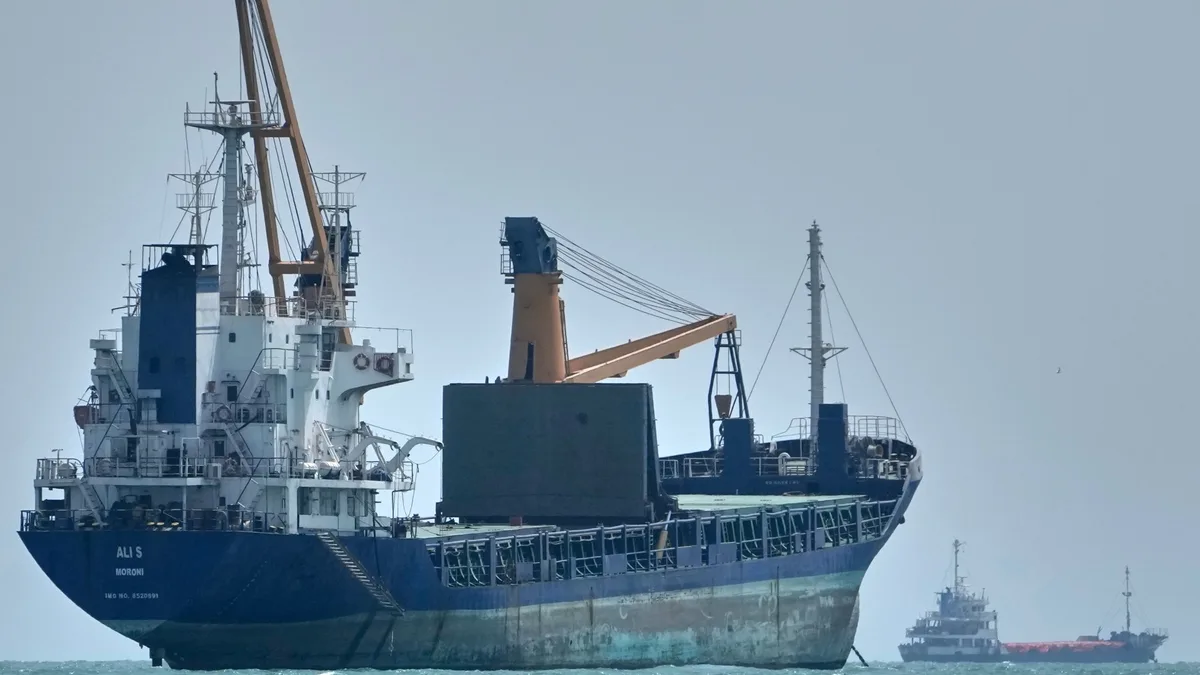
We earlier reported on tankers that, according to Iran, struck mines in the strait. Lavrov’s arrival shifts the focus from incidents to the question of who could sit down at the table, and it is the first time since February that Moscow has appeared in Tehran in person.