Trump Threatens to Destroy Iran, New Leader Vows Revenge
After the ceasefire collapsed, Washington and Iran's new leadership are trading their sharpest words yet, while Muscat hosts talks on safe passage through the Strait of Hormuz.

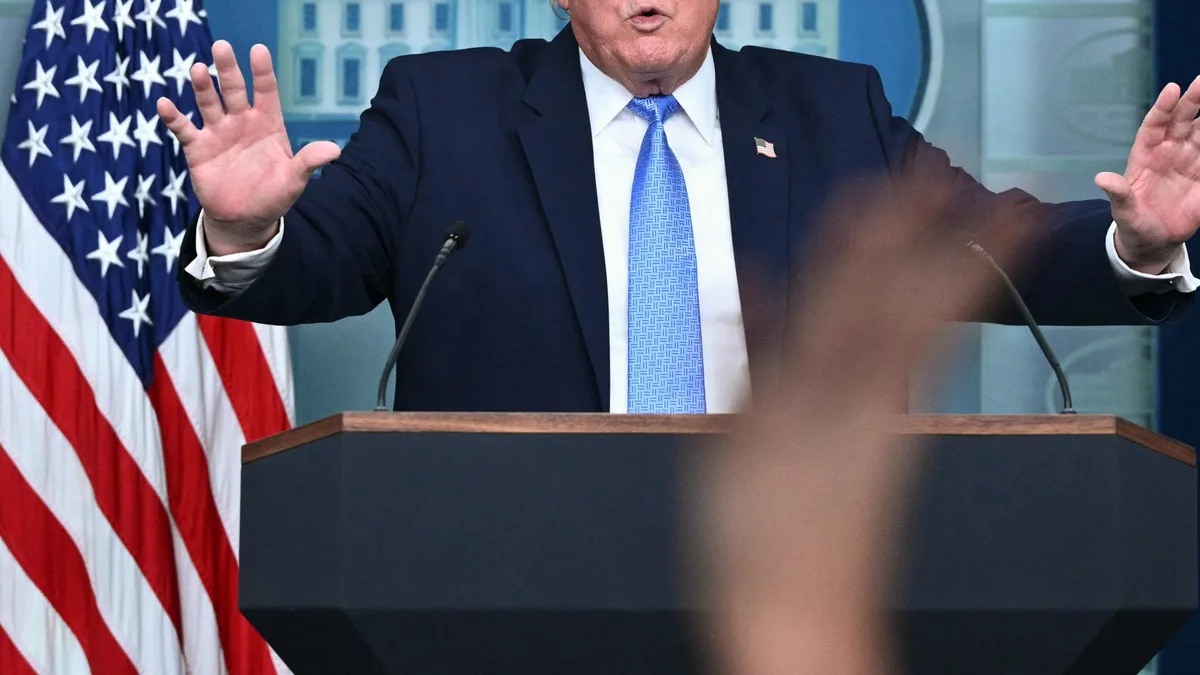
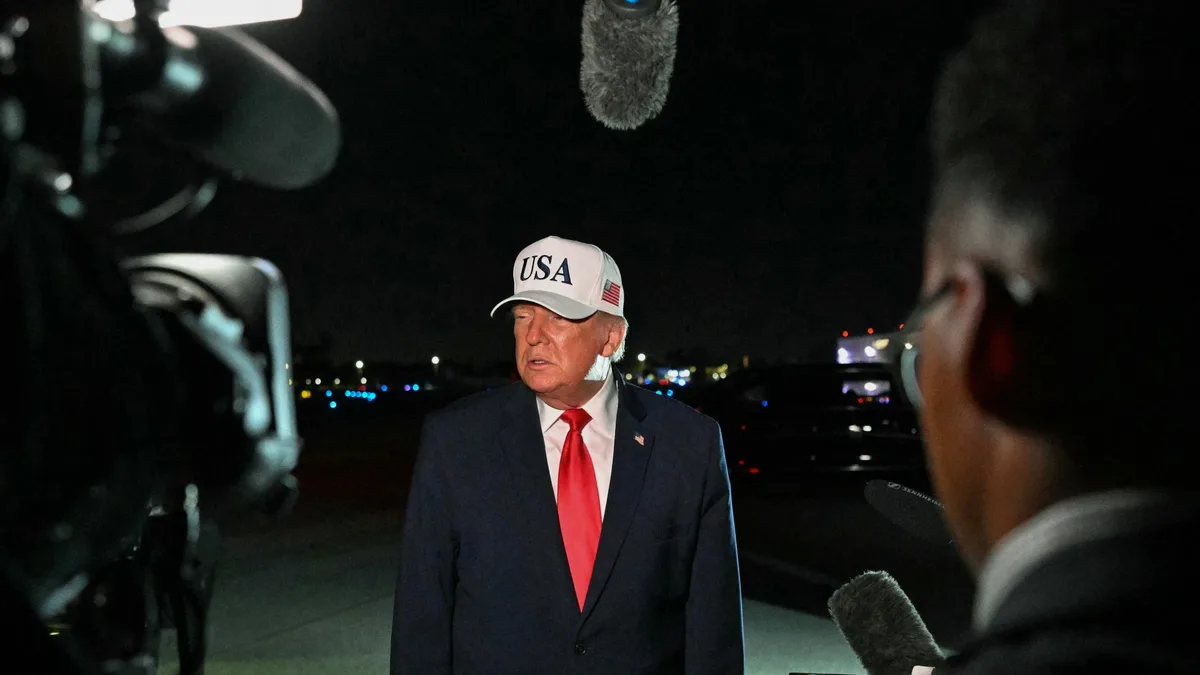
- Donald Trump said he has issued a standing order to level and destroy all of Iran if he is killed.
- Iran's new supreme leader, Mojtaba Khamenei, vowed at his father's funeral to avenge his blood.
- Trump declared the ceasefire over between July 8 and 10, after a fresh wave of US strikes on southern Iran.
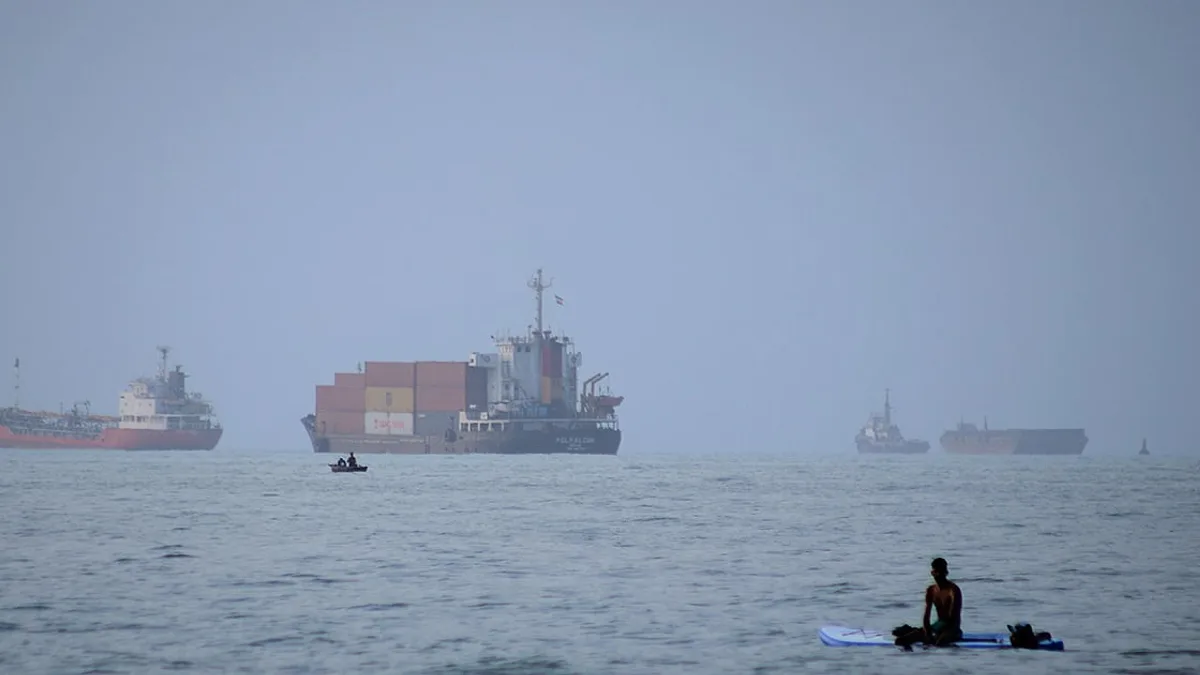
- Iran and Oman are holding talks in Muscat on safe passage for ships through the Strait of Hormuz.
For Serbia, which pays for its oil and most of its energy at prices set on world markets, any threat to close the Strait of Hormuz is not a distant Middle Eastern episode but a direct hit to household budgets and to the price at the pump. That is why the rhetoric coming from Washington and from Iran’s new leadership after the ceasefire collapsed, language that openly threatens a return to war, cannot escape Belgrade’s attention.
US President Donald Trump said he has issued a standing order that, should he be assassinated, all of Iran is to be leveled and destroyed. It is a phrasing a president rarely says out loud, and one that assumes Tehran has been identified as a threat to his life. At the same time, Trump declared the ceasefire with Iran over, somewhere between July 8 and 10, after a fresh wave of US strikes hit southern Iranian territory. The brief pause, which had looked like a possible start to de-escalation, was thereby formally ended.
Why does the new leader’s vow matter?
The response from Tehran was not long in coming. Iran’s new supreme leader, Mojtaba Khamenei, spoke at his father’s funeral and declared that his innocent blood would be avenged, adding that revenge was not merely his personal duty but the will of the Iranian people. In Iran’s political system this vow carries a weight an outside observer easily underestimates: the supreme leader is not only a religious authority but the commander in chief of the armed forces, so any word of his about revenge becomes a directive for the military and security apparatus.
It is also the new leader’s first major test. Succession at the top of the Iranian state is a rare and delicate matter, and Mojtaba Khamenei takes the post amid open conflict with the United States, when any leniency can be read as weakness and any harshness as a step toward a wider war. His message of revenge is therefore not just funeral emotion but a political signal aimed at both his own public and Washington.
Tehran has also made clear that it will not sit down at the negotiating table while American attacks continue. The diplomatic channel is thus, at least formally, left open, but conditioned on a ceasefire that Washington is not offering for now.
Muscat as the last open channel
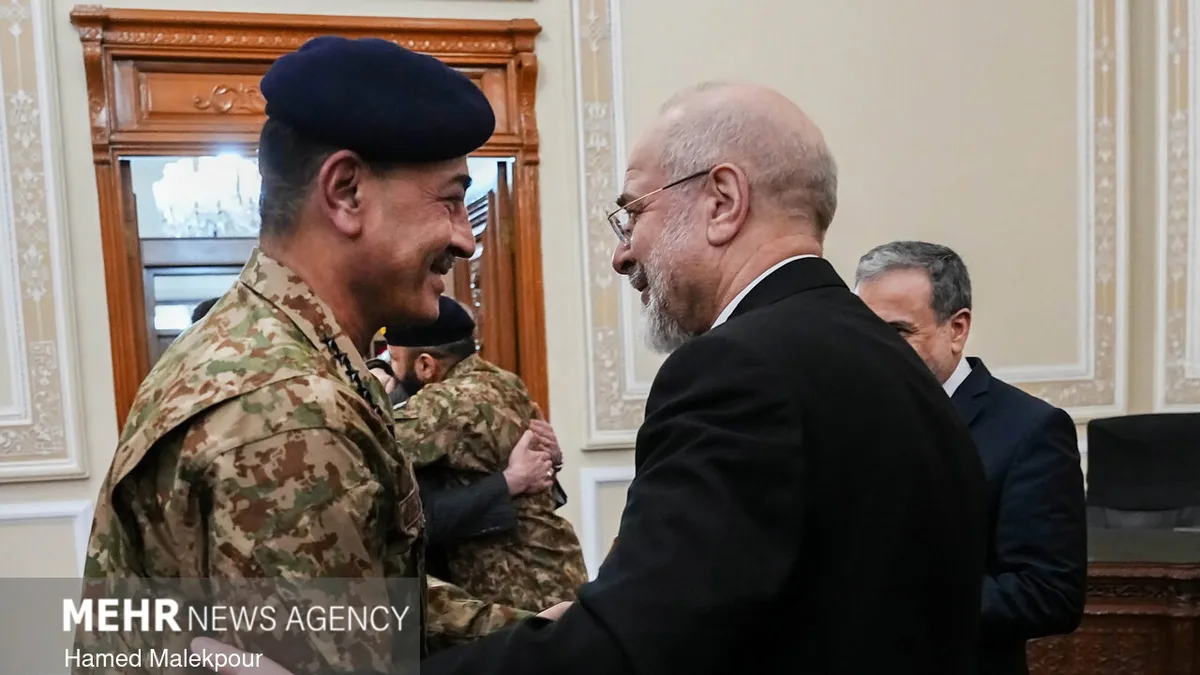
Despite the war rhetoric, one diplomatic window remains ajar. In Muscat, the capital of Oman, which has mediated between Tehran and the West for years, Iranian and Omani representatives are discussing mechanisms for safe passage of ships through the Strait of Hormuz. A significant share of the world’s oil trade passes through that narrow stretch of sea, so even the hint of a possible disruption is enough to rattle markets from the Persian Gulf to European ports.
For Oman, the role of mediator is both diplomatic capital and a matter of its own security, since closing the strait would hurt its economy too. For the European Union, which has no single voice on this conflict, any disruption to energy supplies means fresh pressure on prices at a moment when inflation had only just begun to ease. Belgrade, balancing between the transatlantic tie and its eastern partnerships, feels that pressure indirectly but unmistakably, through the cost of fuel and heating.
What sets this crisis apart from earlier flare-ups is the absence of a reliable interlocutor: on one side a president threatening total destruction, on the other a new leader only now establishing his authority through a vow of revenge. Will Muscat manage to keep the one open channel alive long enough to avoid open war, or will the next strike close that window too?