Iran Says It Holds Hormuz Strait, Trump Says Otherwise
Iran's Revolutionary Guard Navy claims full control of the Strait of Hormuz, while Trump says it's open and under American control. Pezeshkian admits trade has dropped up to 35 percent.

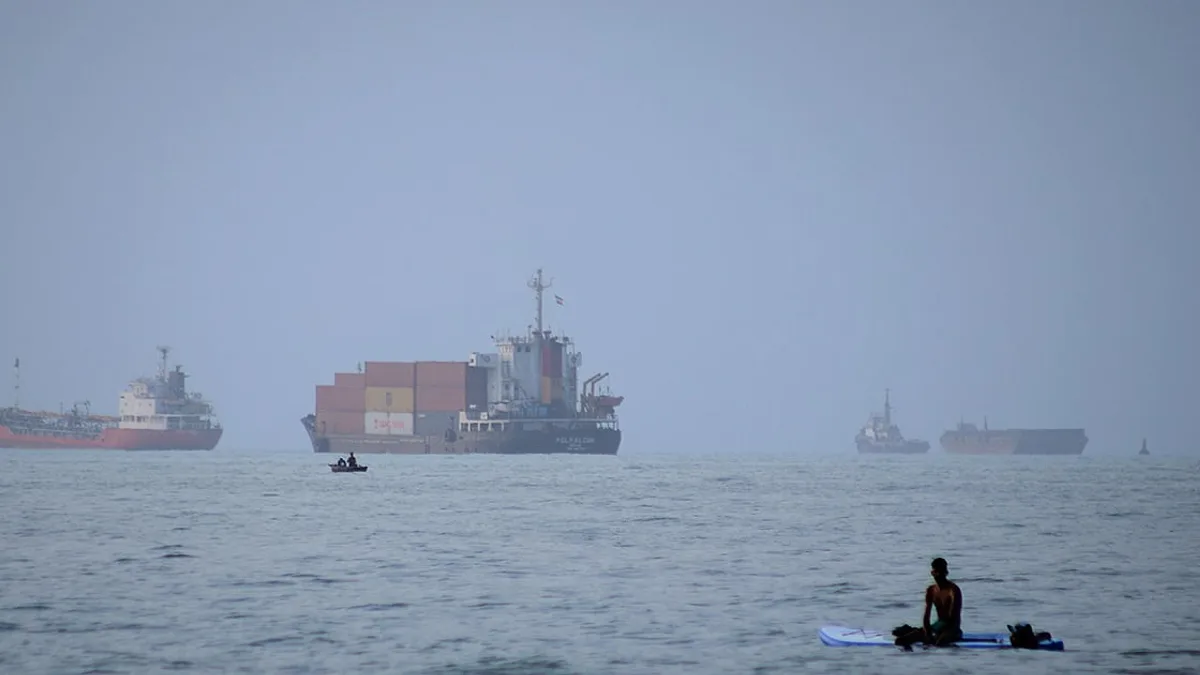
Part of the oil and gas that shapes fuel prices even in Serbia still flows through the Strait of Hormuz, since the world benchmark price is set largely by supply out of the Persian Gulf. That’s why it mattered what came out of Tehran and Washington on Friday, August 29, on the very same day, saying two opposite things. The Islamic Revolutionary Guard Corps Navy announced that control of the strait rests entirely in its hands and that restrictions on unauthorized vessels remain fully in force. President Donald Trump, also on Friday, claimed the opposite: that the strait is open and that the blockade and control belong to the United States.
“The control of Islamic fighters over this strategic waterway is completely decisive,” the Revolutionary Guard Navy said.
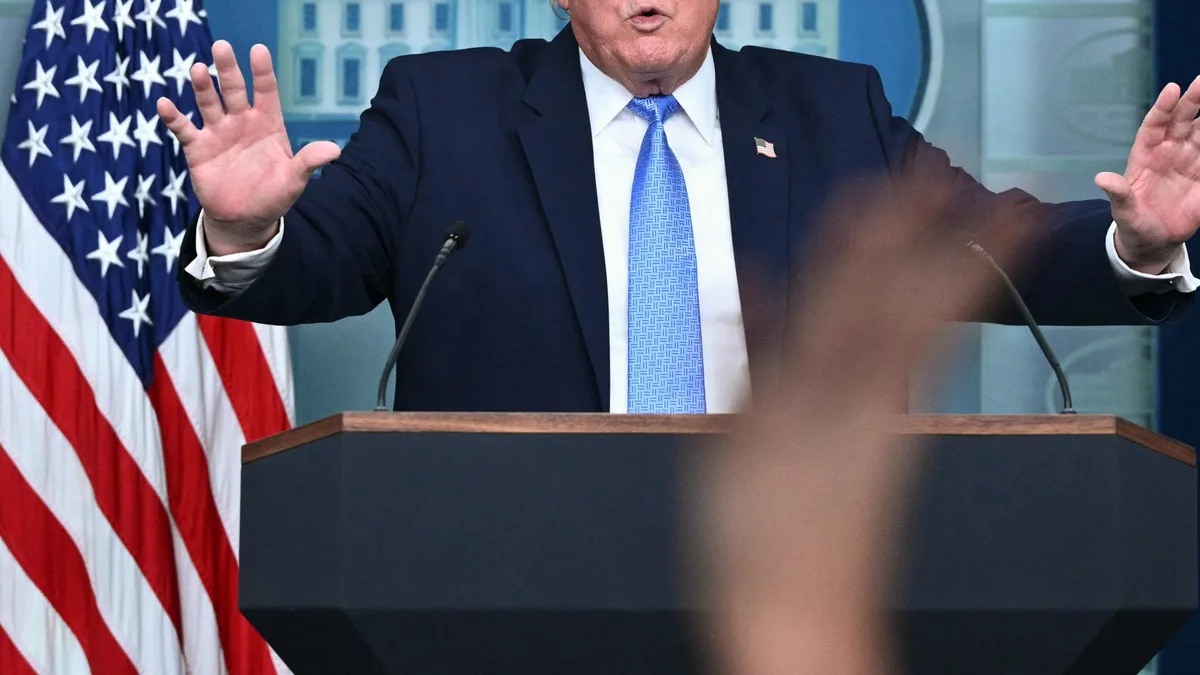
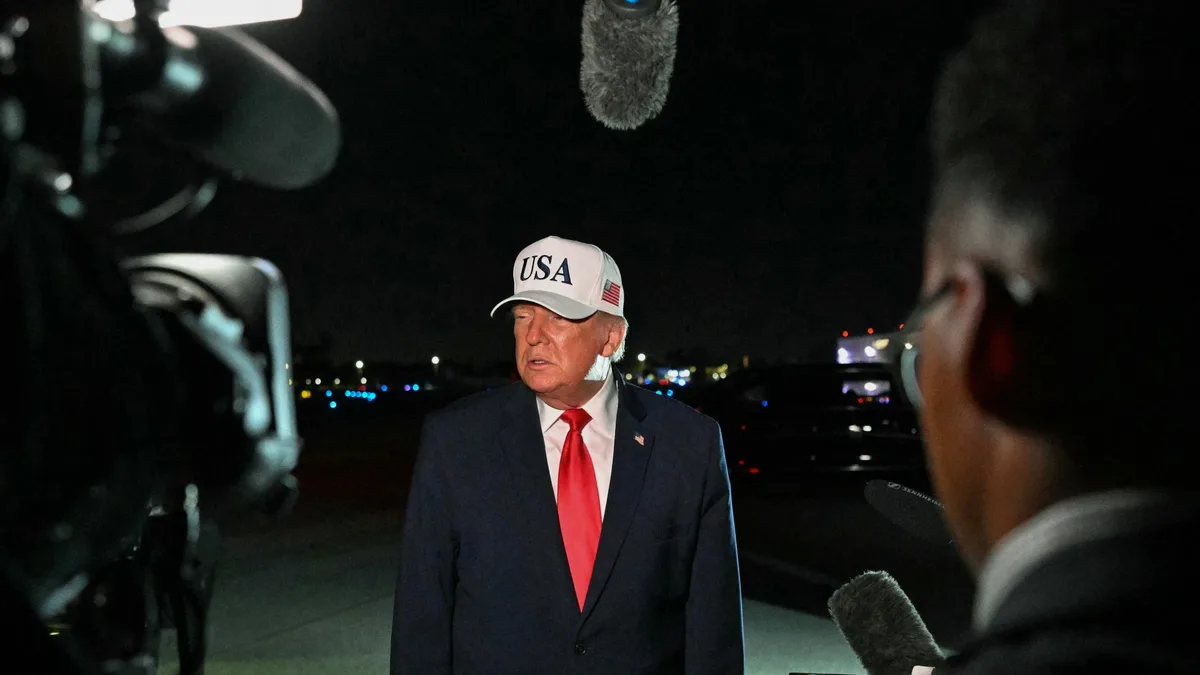
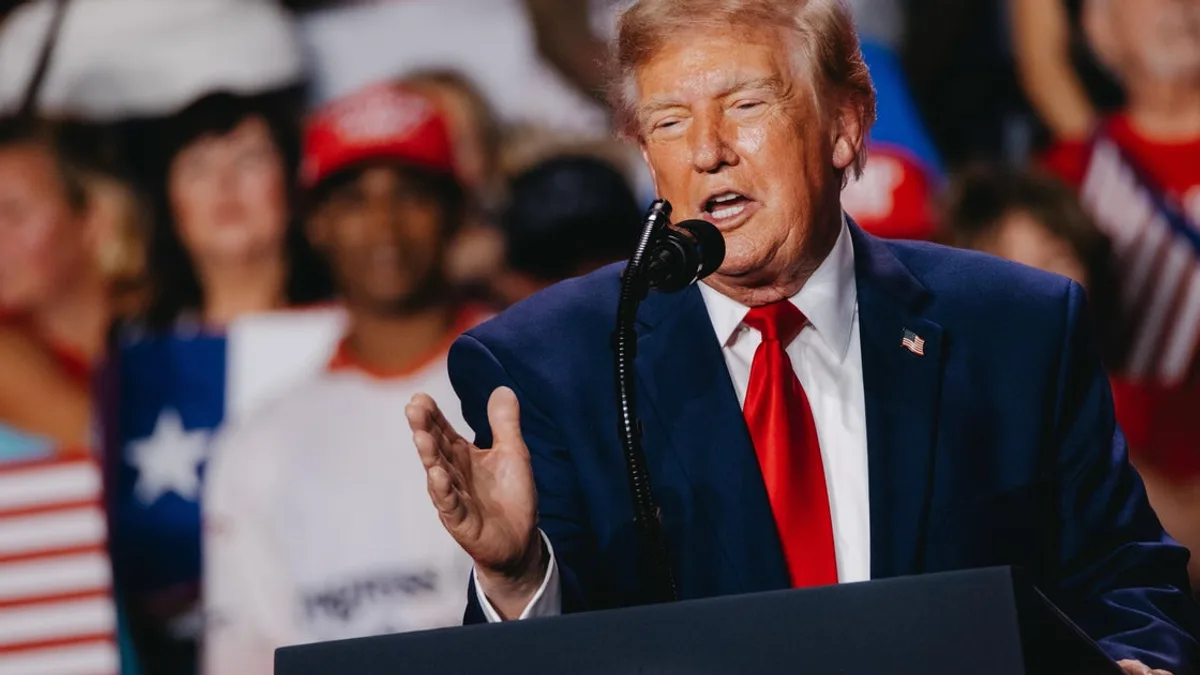
“The strait is open. As you know, the Strait of Hormuz is open. We have control, and we have the blockade,” Trump told reporters.
The two statements cannot be reconciled on any point: the Iranian side speaks of its own, complete control, the American side of its own, complete control of the same waterway. Neither side offered verifiable proof on Friday to settle the dispute.
Six Months of War and an Admission From Tehran
The war between Iran and the United States reached the six month mark on August 28, 2026, counting from its start on February 28. Marking the occasion, Iranian President Masoud Pezeshkian used a television interview on Friday evening to state publicly, for the first time, how far his country’s foreign trade has fallen.
“Some say the sanctions have no effect at all. To those people, I honestly don’t know what to say,” Pezeshkian said.
According to him, Iranian exports and imports have dropped between 25 and 35 percent under the weight of sanctions and the naval blockade. “The route is now blocked, and goods aren’t coming in,” the president added in the same interview. Shortly before noon, at 12:09 p.m., Pezeshkian also said the country has to face its own reality: “We are in a war situation, and we must accept those wartime conditions.”
The Iranian government said the same day, at 8:40 a.m., that it would pursue diplomacy and defense at the same time, while gradually cutting its reliance on the dollar in foreign payments.
Who’s Exporting Oil, and Who Isn’t
The two sides disagree over the numbers just as sharply as they disagree over who controls the strait. Iran claims it hasn’t exported a single barrel of oil from its coast since mid July. The United States, on the other hand, says 130 million barrels moved through the strait in just 14 days. Both claims describe the same stretch of time and the same waterway, yet they differ by the entire scale of Iran’s oil exports.
The shortage is being felt inside Iran too. The government in Tehran is weighing whether to double the price of gasoline above the subsidized quota, since fuel imports aren’t arriving at the planned volume.
What Is the Toll on Maritime Traffic?
The United Nations’ maritime agency reports that more than 6,000 sailors are currently stranded on hundreds of ships in the Persian Gulf, unable to continue their voyages. Nineteen sailors have died since the conflict began, and more than 70 attacks on international shipping have been recorded.
The UK Maritime Trade Operations agency has logged 23 missile strike incidents since the start of July, 16 of 18 of which happened on the southern route near Oman, mostly damaging ships’ engine rooms. Before the war, roughly 20 percent of the world’s oil and gas trade passed through the Strait of Hormuz, making it one of the most sensitive points in global energy supply.
We’ve written before about an attempt to route around that risk, when Iran and Oman announced a deal for a corridor through the strait, after which the world oil price briefly dropped. Friday’s statement from the Revolutionary Guard Navy suggests that deal, at least for now, hasn’t changed the reality on the ground.
A New Front in Lebanon
The conflict spread beyond the strait on Friday as well. Israel struck Nabatieh al-Fawqa in southern Lebanon with a drone around 10:13 a.m., and Lebanon’s national news agency also reported a strike on the outskirts of the village of Ayta al-Jabal. Lebanon’s health ministry said a day earlier, on August 28, that the death toll since March 2 had risen to 4,352, with 12,318 wounded.
For Belgrade, which trades with both Tehran and Washington through third markets, both numbers matter equally, Iran’s claim of zero barrels exported and America’s claim of 130 million, since each points toward a different read on future fuel prices. A date for resolving that uncertainty, a new round of talks between Iran and Oman over the corridor through the strait, hasn’t been set yet.