Starmer's Farewell Kyiv Trip: UK Support to Endure
The outgoing British prime minister used his final foreign visit to assure Zelensky that London's support will last after he hands power to Andy Burnham on Monday.

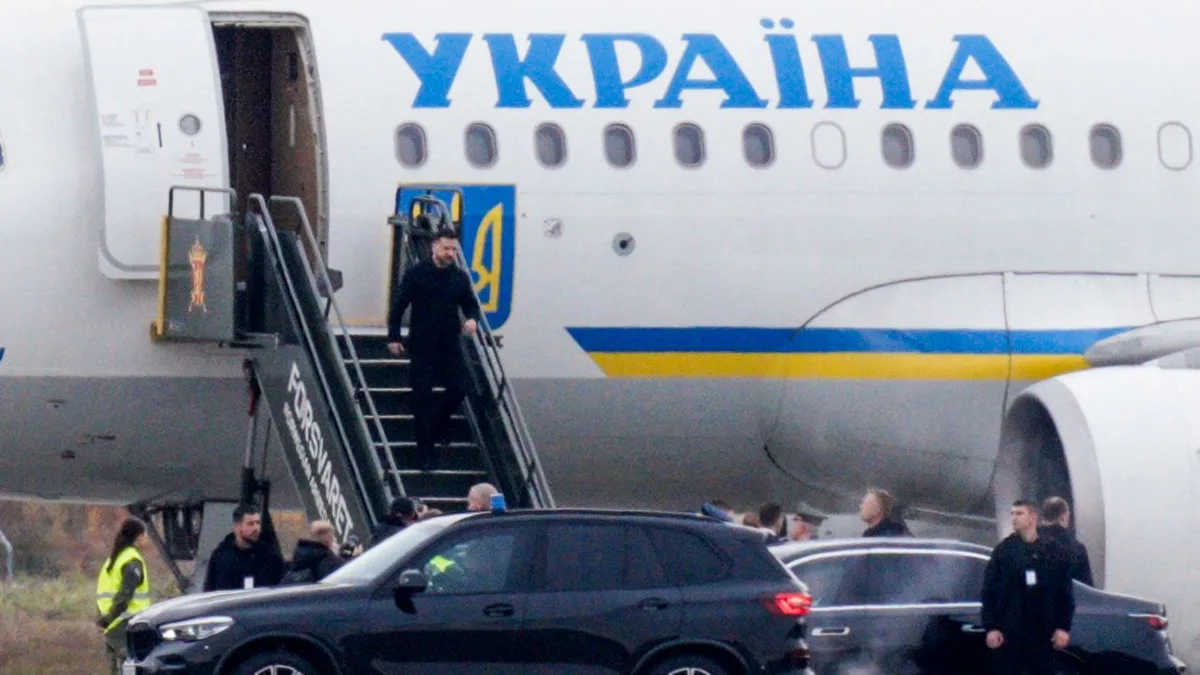
- Keir Starmer arrived in Kyiv on July 16 for his final foreign visit as British prime minister.
- On Monday he hands power to new Labour leader Andy Burnham, who becomes Britain's sixth prime minister in seven years.
- His message to Zelensky was that Britain's support for Ukraine will endure after his departure.
- Starmer resigned last month after losing the backing of the Labour Party.
For Belgrade, which reads every shift in London through the lens of European security and its own path toward the Union, Keir Starmer’s farewell visit to Kyiv carries a message that reaches beyond British domestic politics: the continuity of Western support for Ukraine does not depend on the name on the door of Downing Street. The outgoing British prime minister flew into the Ukrainian capital on July 16 for his final foreign trip before handing over power on Monday, and he left nothing about that symbolism to chance.
Starmer chose Kyiv, rather than Washington, Brussels, or Berlin, as the place to close his term. He told President Volodymyr Zelensky that Ukraine’s resistance had not merely defended a single state but helped preserve the security of the entire continent. At a moment when several European capitals are questioning how long aid to Kyiv can hold, the gesture reads as an attempt to anchor the transatlantic bond and European support beyond the limits of any one government.
Why is Britain changing prime ministers for the sixth time in seven years?
Starmer resigned last month after losing the support of his own Labour Party, the same party that had swept him into office with a commanding majority only a few years earlier. His departure caps a stretch of political instability without precedent in modern British history: Andy Burnham, who takes over on Monday, will be the sixth occupant of 10 Downing Street in seven years.
That rapid turnover of leaders has long been read on the continent as a sign that, after leaving the Union, the United Kingdom struggles to return to predictability in foreign policy. That is precisely why Starmer devoted the final hours of his term to the one issue on which British consensus still holds despite every internal rupture: support for Ukraine. Burnham inherits a cabinet in turmoil, but also a foreign-policy line that no Labour or Conservative government has questioned in recent years.
What the Kyiv farewell means for Zelensky and the region
For Zelensky, who has relied on London for years as one of his most consistent allies, the promise of enduring aid arrives at a delicate moment. The Ukrainian president knows that every change of government among key partners raises the question of whether new leaders will keep the same level of engagement, so Starmer’s insistence on continuity had a clear address: both himself and his successor.
For Serbia and the wider region, the message is indirect but not insignificant. The steadiness of Western support for Ukraine shapes the security framework in which Serbia’s European path also unfolds, from energy flows to pressure to align its foreign policy. When the departing leader of one of Europe’s major powers devotes his last official act to Kyiv, he signals that the framework will not shift regardless of who next takes the seat in London. One question will follow the first weeks of Burnham’s tenure: will the new British government turn words of lasting support into the same concrete steps, and how will that echo in Belgrade?