Trump Cuts Childhood Vaccine Schedule From 18 Diseases to 11
The executive order, signed in the Oval Office, recommends immunizing all children against 11 diseases instead of 18, and calls for splitting the combined MMR vaccine into three separate doses.

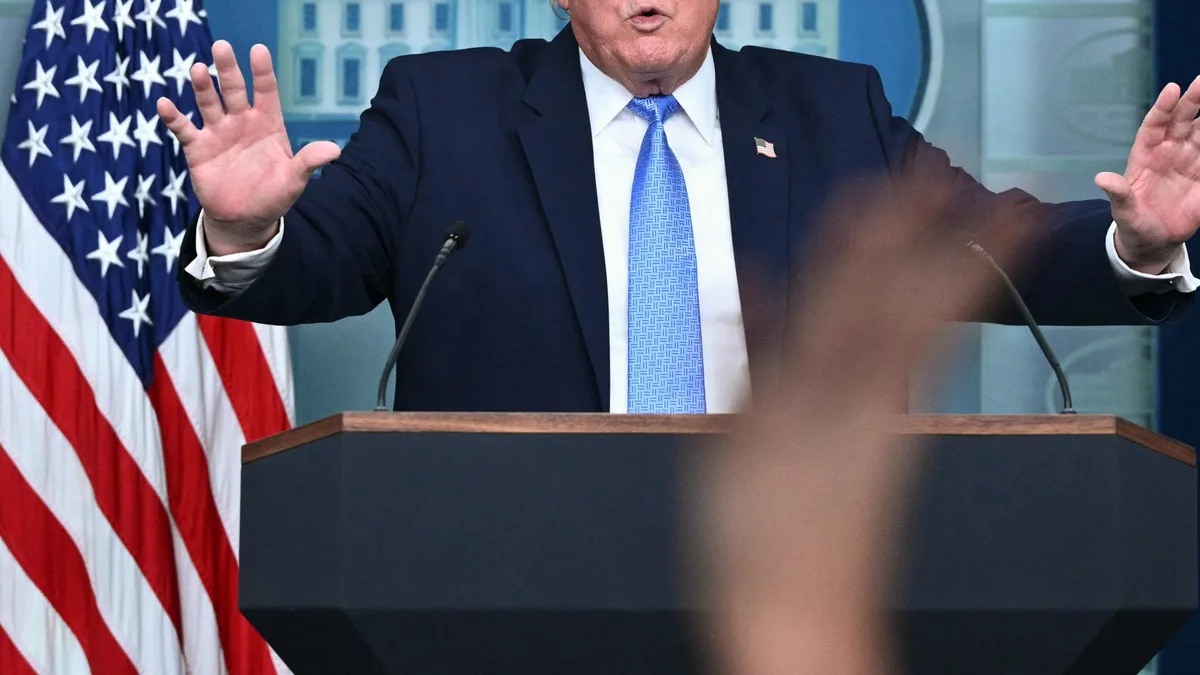
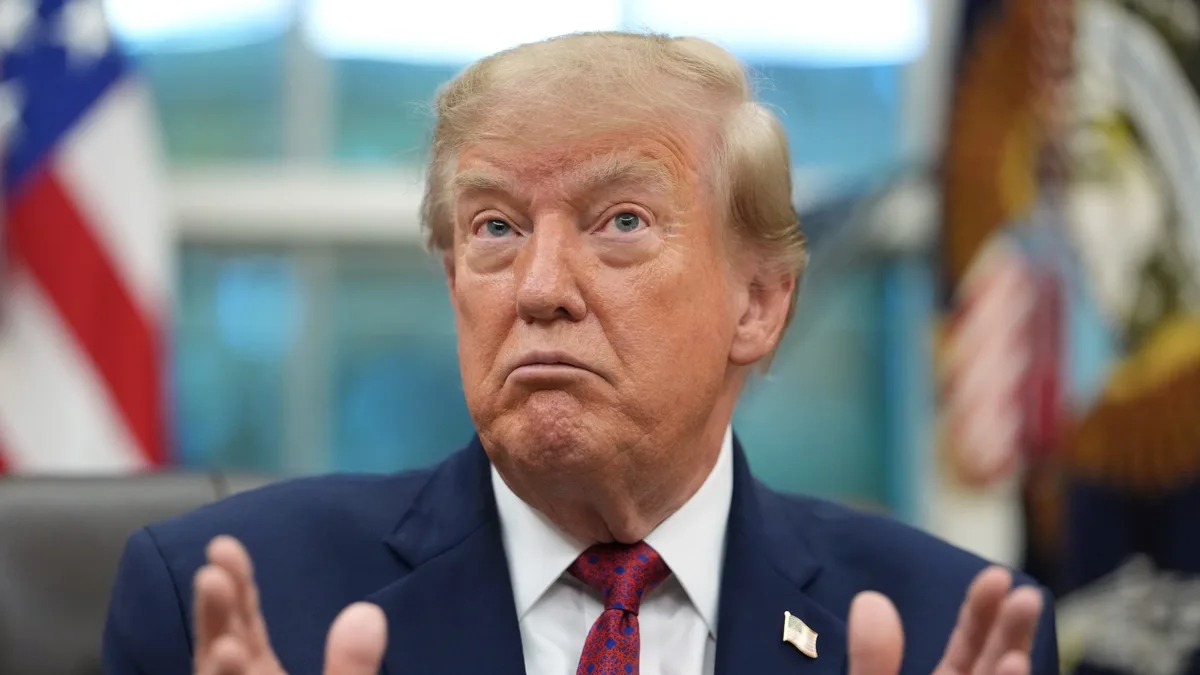
US President Donald Trump signed an executive order on Monday afternoon in the Oval Office that cuts the country’s official childhood immunization schedule from 18 diseases to 11 recommended for every child, and that calls for the combined MMR vaccine to be split into three separate doses. The decision carries no direct force in Serbia, but American recommendations rank among the most frequently cited reference documents in health systems worldwide, and the vaccine at the center of the debate, the one against measles, mumps and rubella, does not currently exist in any separated form.
The figure the new list is measured against is not arbitrary: the Centers for Disease Control and Prevention (CDC) recommended immunizing all children against 18 diseases as of 2024. The order does not scrap that list, it sorts it into three categories.
- a universal recommendation, now covering 11 diseases
- vaccines intended for children in risk groups
- vaccines that parents and doctors decide on together
The vaccines against measles and polio remain in the first category, the White House confirmed. According to its text, the order does not directly change the availability of any vaccine, and parents who want their children to receive every dose can still do so.
“Today we are proud to officially announce the United States’ gold standard recommendations for childhood vaccination. This concerns a great many things, but autism especially.”
Trump said this just before signing, with Health Secretary Robert F. Kennedy Jr. seated at the same table. He called the order a win for parental rights.
Why splitting the MMR vaccine can’t happen quickly
The demand to break the combined MMR vaccine into three separate doses has no backing in what manufacturers currently offer. Standalone vaccines against measles, mumps and rubella do not exist, so each one would require clinical trials and a full approval process. The American Academy of Pediatrics estimates that would take a full decade.
The CDC itself, in a 2024 document still posted on the agency’s website as of Monday afternoon, stated there is no published scientific evidence of any benefit from splitting the combined MMR vaccine into three individual shots. The order also recommends giving vaccines during separate doctor visits rather than multiple doses in a single visit.
Timeline: what a judge blocked in March
The signed order is not the first attempt. Kennedy announced changes to the schedule earlier this year, and a federal judge blocked them in March 2026. The push to split the MMR vaccine comes nearly a year after Trump wrote on his social media platform that the vaccine should be divided into three fully separate doses. The White House also cites a scientific assessment from the Department of Health from January 2026, which compared US recommendations with those of developed countries and examined vaccination coverage, public trust and mandatory requirements.
Doctors and a Republican senator push back
Republican Senator and physician Bill Cassidy called the order wrong in a post on X.
“I am a doctor. This executive order is wrong. The president does not have the expertise to make these changes. Vaccines are extremely safe. Vaccines are effective. Vaccines do NOT cause autism.”
The American College of Physicians reacted in a similar way, with its president, Dr. Jan K. Karni, saying in a statement:
“This executive order is part of a troubling pattern in which the administration is trying to unilaterally rewrite vaccine guidelines, especially those for children, instead of relying on the transparent, science based review that has guided the American childhood immunization schedule for decades.”
Kennedy justified the change by pointing to a sharp rise in autism diagnoses and rejected the explanation that better recognition of the condition is behind it. “Something happened in the mid 1990s that changed our children, and it has to be an explosion of environmental factors, because genes don’t cause epidemics,” he said. Medical associations counter that no link between vaccines and autism has been established in dozens of studies covering millions of people, and that the rise in diagnoses is attributed to better recognition and diagnostics.
One epidemiological fact hangs over the entire debate: the number of measles cases in the United States in 2026 has already surpassed the total for all of the previous year.
What happens in the next 90 days
The order requires federal agencies to submit reports within 90 days. In the meantime, the health secretary is directing a task force on safer childhood vaccines to present the president with plans for improving research, while the White House is advising states to consider changes to school vaccination requirements. The deadline for the first reports falls in the first half of November.