US Hits Another Boat in Caribbean, Toll Reaches 231
The US military struck a boat in the Caribbean and killed four people, calling them drug traffickers. The death toll from the anti-cartel campaign has climbed to 231 in 69 strikes in under a year.

The United States military struck another boat in the Caribbean Sea on Saturday, September 19, killing four people, the U.S. Southern Command announced. It was the latest strike in the campaign that President Donald Trump’s administration is waging against what it calls narco-terrorism, and the death toll since the campaign began nearly a year ago has now risen to at least 231 across 69 strikes. For Serbia, a small country whose foreign policy rests on non-interference and respect for international law, the practice of striking civilian vessels by military force, without a trial and without publicly presented evidence, sets a precedent whose consequences for the broader geopolitical order remain to be fully understood.
According to the Southern Command’s statement, Saturday’s strike targeted a vessel on one of the known drug-trafficking routes in the Caribbean Sea. As with most of its previous statements on strikes in the eastern Pacific and the Caribbean, the military did not provide evidence that the boat it hit was actually carrying drugs. Footage posted on X showed the boat moving before a flash was seen, and the identities of the four people killed have not been disclosed.
The campaign against alleged traffickers has now run for close to a year, and according to official US figures, it has killed at least 231 people in 69 strikes. The pace of the strikes shows no sign of slowing, and Washington presents the campaign as a key part of the fight to cut the flow of drugs into the American market.
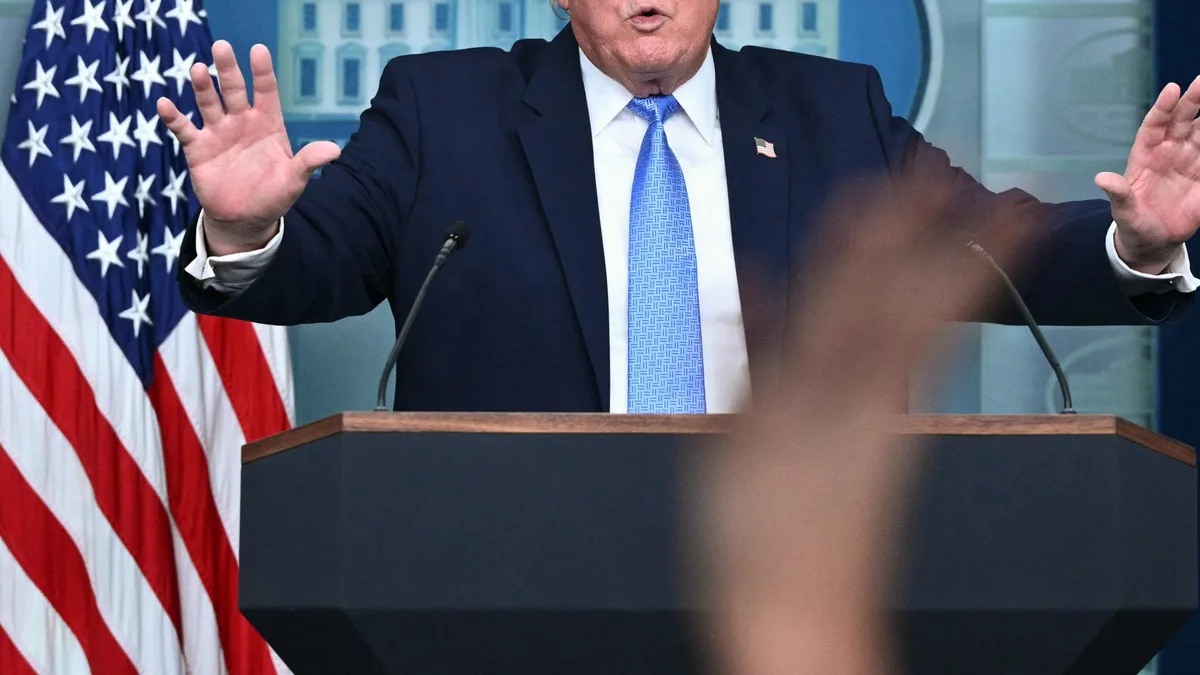
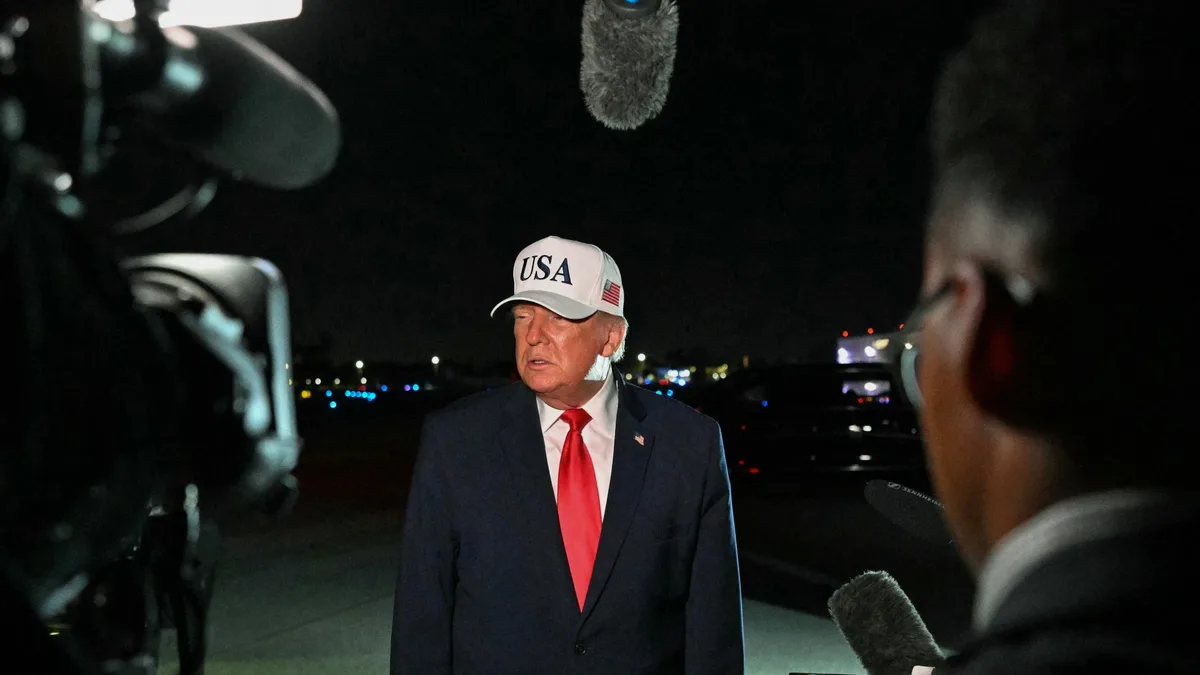
President Trump maintains that the United States is engaged in what he calls an “armed conflict” with Latin American cartels, and he defends the strikes as a necessary escalation meant to reduce both the drug supply reaching the country and the number of overdose deaths. His administration, however, has so far offered little evidence to back its claims that those killed in the strikes were in fact traffickers rather than, for instance, fishermen or other people caught at sea.
Defense Secretary Pete Hegseth visited Panama last month, where he discussed military operations in the region. He said at the time that Colombia, Guatemala and Honduras had agreed to allow the United States to carry out joint military operations against criminal groups on their own territory, a move that would extend the campaign from the sea onto the land of several Latin American countries.
Guatemala has denied that any such agreement was reached, pointing to a rift between Washington and at least one of the countries Hegseth named as a partner. Ecuador, on the other hand, launched joint missions with the US military back in March, making it one of the few countries in the region openly cooperating in the campaign on its own soil.
For countries outside Latin America, including Serbia and the wider Western Balkans, the campaign is above all a signal of the direction US foreign policy is taking under the second Trump administration: toward the unilateral use of force, without reliance on multilateralism and without seeking approval from international bodies. The diplomatic channels through which such operations might otherwise be reviewed, whether at the United Nations or through the transatlantic relationship with European allies, have so far produced no change of course.
Neither the Southern Command nor the White House has said when the campaign might end, or whether further expansion of operations onto the territory of the countries mentioned is being planned. What happens next will depend on whether Colombia and Honduras confirm the agreements the Pentagon describes, and on whether Guatemala’s position shifts after already rejecting that account once.