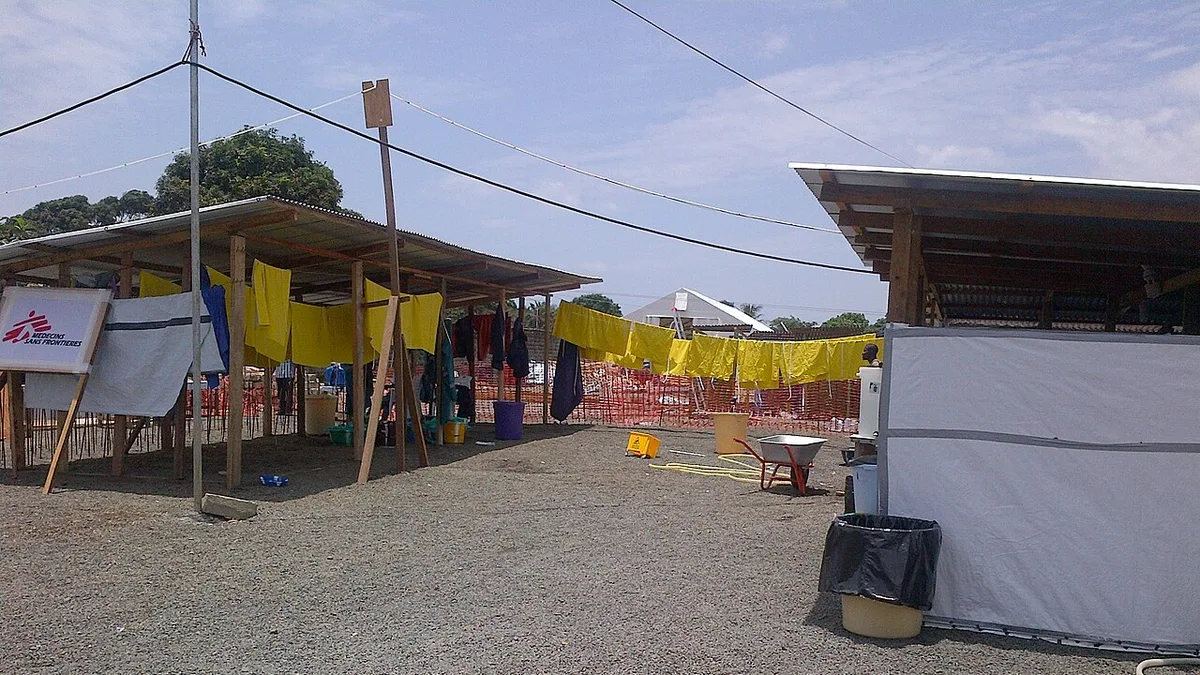
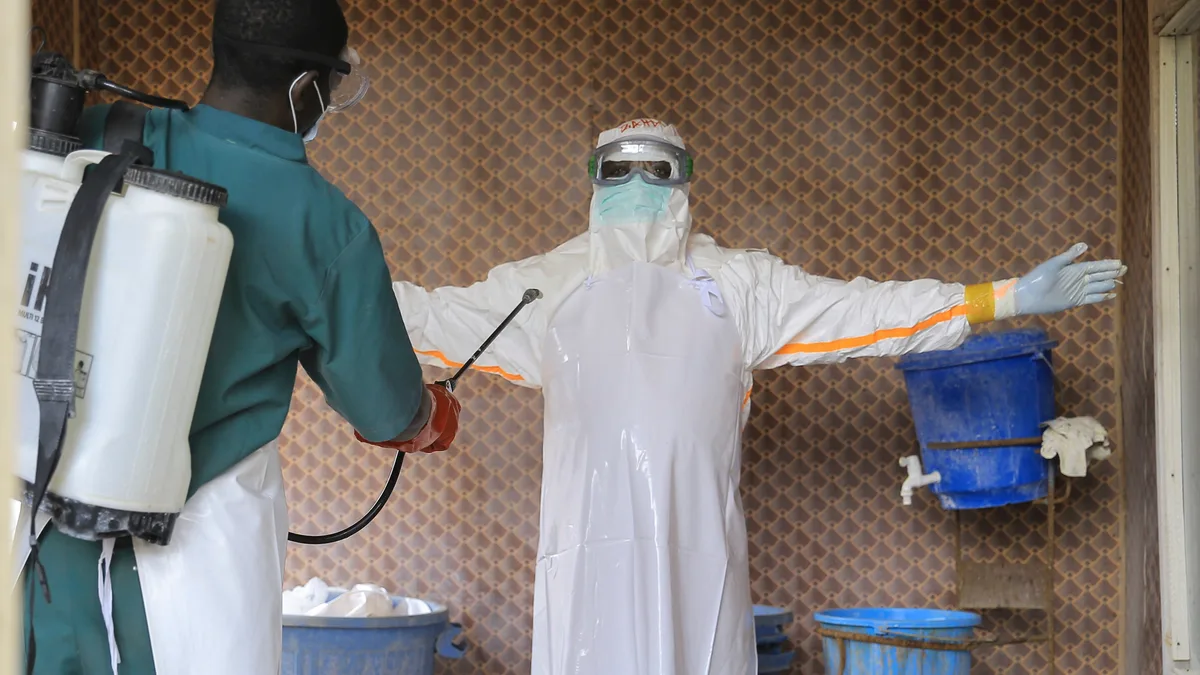
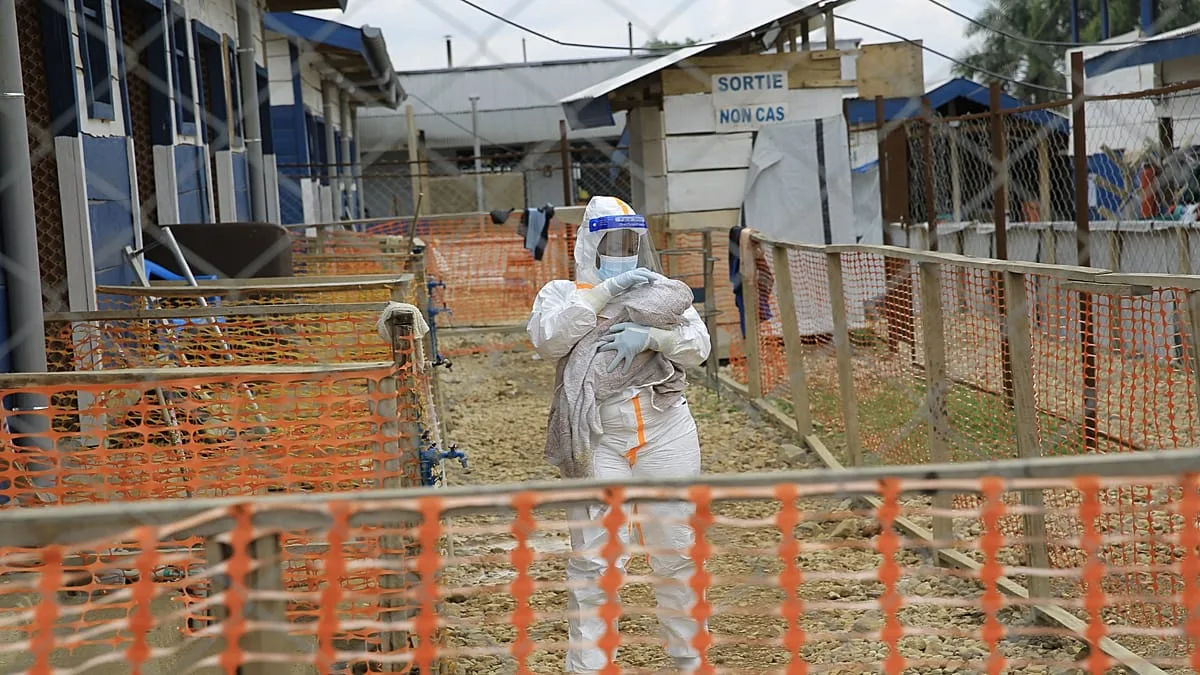
Ebola Outbreak in Congo Reaches Sixth Province
Africa CDC has confirmed the first death in Bas-Uele province: the Ebola outbreak in Congo has now reached a sixth of the country's 26 provinces, with over 2,100 dead among more than 4,500 cases.

Ebola in Congo has reached a sixth of the country’s 26 provinces, after the Africa Centres for Disease Control and Prevention (Africa CDC) confirmed on August 13 the first death in Bas-Uele province, an area that had not been affected until that day. For Serbia this is not a distant African statistic: the World Health Organization’s Emergency Committee meets on August 18, and any interim recommendations that come out of that session go to every country that has signed the International Health Regulations, Serbia included.
The man who died had traveled to Buta, the capital of Bas-Uele, from Isiro in the neighboring province of Haut-Uele, according to Africa CDC director general Jean Kaseya.
How many have died, and how fast
According to the latest figures from the Congolese government, the Democratic Republic of Congo has recorded more than 4,500 cases and over 2,100 deaths. That death toll was reached almost three times faster than in the West African outbreak of 2014 to 2016, which killed more than 11,000 people and still stands as the deadliest Ebola outbreak on record. The World Health Organization said on August 12 that the Congolese outbreak is on track to surpass even that record.
When we reported on this outbreak on August 7, the official count stood at 4,053 confirmed cases and 1,850 deaths, with the virus present in five provinces. In a week, the list of affected provinces grew longer, and the death toll rose by about 250.
Nobody knows the true scale of the outbreak. It was officially declared on May 15, 2026, but sequencing showed it had actually begun months earlier, in February.
A strain with no vaccine and no cure
The virus behind the outbreak is the Bundibugyo strain of Ebola, a rare strain with no approved vaccine and no approved treatment. Clinical trials of two candidate therapies began last month in Ituri province, the hardest hit in the country, but trials are slow by nature, and the outbreak is not.
Contact tracing, the tool that broke chains of transmission in earlier outbreaks, has failed here. Health authorities say 60 to 70 percent of new cases are turning up outside the circle of people already under monitoring. Kaseya said on August 13: “The concept of contact tracing in the Democratic Republic of Congo has become useless.”
WHO’s regional director for Africa, Mohamed Yakub Janabi, put the same point more briefly:
We are chasing the virus, and the virus is ahead of us.
The line describes the balance of power on the ground better than any report could: outbreaks are discovered only once a patient turns up, never before.
Health workers on strike, terrain working against them
On the same day the death in Buta was confirmed, health workers at the treatment center in Nizi, in Ituri, went on strike after going three months without pay. The center has been temporarily closed.
Bas-Uele, the province the virus has now reached, is among the hardest parts of the country to get to. It borders the Central African Republic, its roads are poor and poorly connected, phone coverage is limited, and the population is constantly on the move because of gold mining and because people are fleeing armed conflict. The response is further hampered by threats from rebel groups and by claims circulating in communities that Ebola does not exist at all.
What it means for Europe, and for Serbia
In a report dated August 1, the World Health Organization recorded one confirmed case in France and two patients diagnosed in Congo who were treated in Germany, while assessing the risk to the rest of the world as low and advising against travel or trade restrictions. That assessment is being updated ahead of the Emergency Committee session scheduled for August 18, and it will determine whether the recommendations given to signatory states back in May are tightened.