Iran Threatens Total Blockade of Gulf Oil Exports
The secretary of Iran's Supreme National Security Council threatened to halt oil exports through the Strait of Hormuz, while parliament in Tehran advances a law to charge ships for passage.

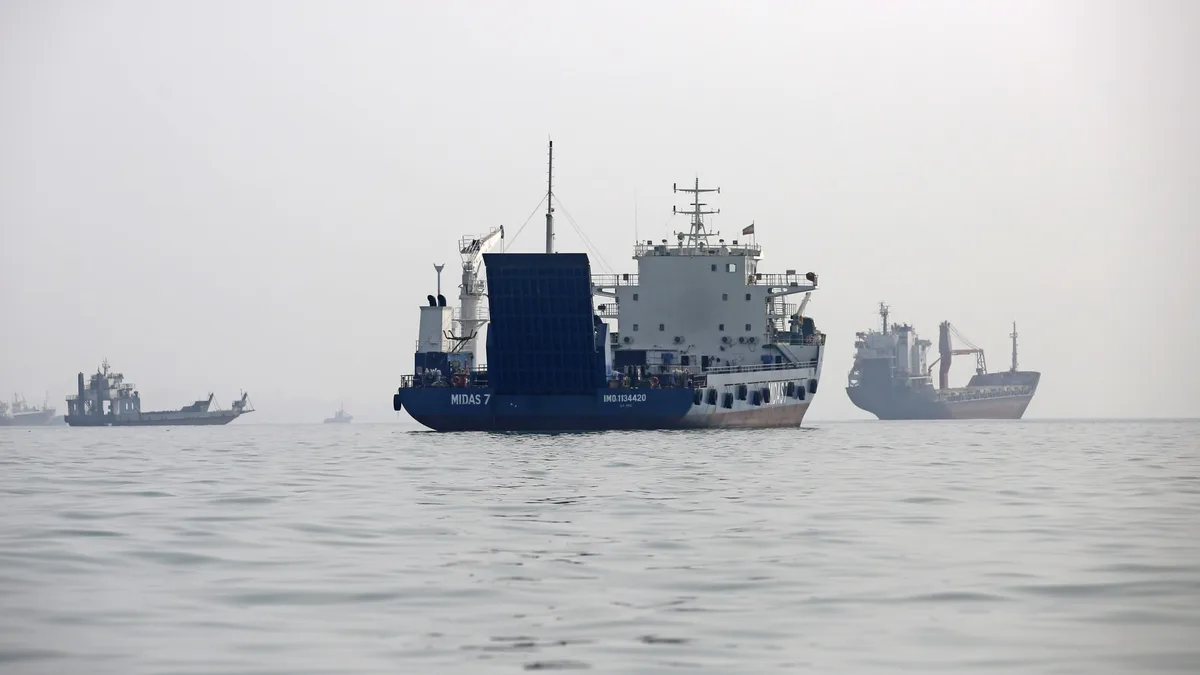
The Strait of Hormuz is a narrow international waterway that carries a large share of the world’s seaborne oil trade, so any fresh threat to close it immediately moves fuel prices, including in countries such as Serbia that depend on oil and oil product imports. On Monday, August 24, 2026, Iran threatened not to export a single drop of oil, either through the strait or from any other part of the Persian Gulf, if the United States continues its economic pressure on Tehran.
The warning came in a post on X from Mohsen Rezai, secretary of Iran’s Supreme National Security Council and a former commander of the Revolutionary Guard. Rezai said Tehran would treat any country that joins or assists the US economic campaign against Iran as a participant in an act of war.
If the economic war continues, not a single drop of oil will be exported. Not through the Strait of Hormuz, and not from anywhere else in the Persian Gulf. Iran will regard the participation or support of any country in the American economic war against the Iranian people as an act of war.
Rezai published the statement on August 24, as Washington was preparing a new round of economic measures against Iran.
Tehran’s Parliament Moves to Charge for Passage
A day before Rezai’s threat, on Sunday, the National Security and Foreign Policy Committee of Iran’s parliament approved Article 3 of a bill called the Strategic Action Plan for the Security and Development of the Strait of Hormuz. Committee spokesman Hasan Kashkavi said Article 3 allows fees to be charged for maritime and navigation services, environmental protection, emergency fuel supply, insurance, security and other services provided to ships in transit.
The fees would be charged to vessels from countries Iran allows to pass, payable in Iranian rials or another currency set by Tehran. The bill now goes to the full parliament, then to the Guardian Council, which reviews its constitutionality, with the Expediency Discernment Council stepping in to resolve any dispute before the president signs it into law.
Since When Has Iran Been Charging for Passage Through the Strait?
Iran set up a body to manage the Strait of Hormuz back in May 2026, and the per-vessel charging mechanism took effect in the middle of that same month. According to reports so far, some vessels have already paid as much as 2 million dollars for a single passage, in Chinese yuan. Before the war, passage through the strait was free for everyone. The United States, Gulf states and European countries reject the legality of Iran’s charging regime, but that has not stopped Tehran from enforcing the measure so far.
Three More Iranian Officials Speak Out
Parliament speaker Mohammad Bagher Ghalibaf spoke out earlier, on Sunday, August 23, with a satirical comment on President Donald Trump’s announcement of new US sanctions. Ghalibaf posted a cartoon on X depicting what he called Iran’s boomerang, with a message that a frozen foreign policy produces a frozen economy, and that the only thing still moving is that boomerang, coming back at whoever threw it.
In those same days, Revolutionary Guard spokesman Sardar Mohebi also spoke out, saying that America’s reliance on economic warfare amounts to a tacit admission of “humiliating defeat” on the military front, as did Iranian Foreign Ministry spokesman Esmail Baghaei, who noted that Iran has been living under sanctions for two decades already.
Why the Pressure Is Building Now
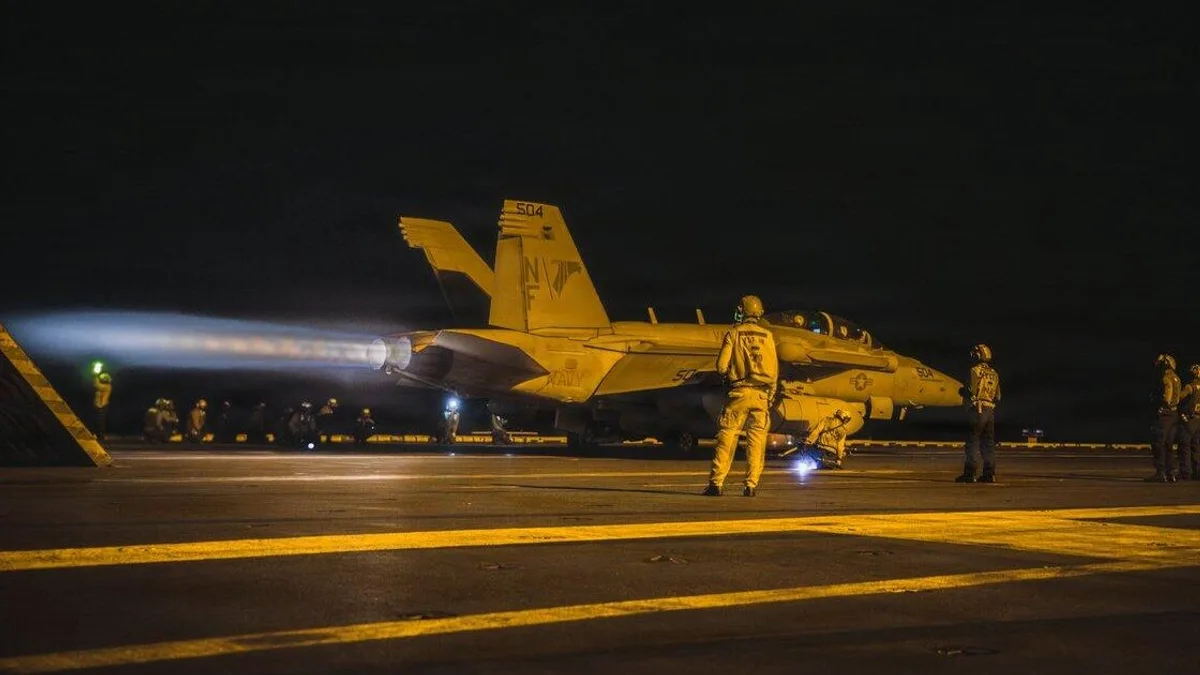
Tehran’s threats come as Washington announces a new phase of pressure on Iran, after months of direct military conflict that has been going on since February 28, 2026. According to the latest Pentagon figures, 774 US personnel have been killed or wounded in the war so far, including 18 deaths. The new package of measures, whose details are to be unveiled by US Treasury Secretary Scott Bessent, is expected to combine additional sanctions, a naval blockade and pressure on countries that still buy Iranian oil, chiefly China as the largest buyer, but also India, Turkey and the United Arab Emirates.
For Serbia and the rest of Europe, these developments mainly carry a risk to global fuel prices, since any obstruction on one of the world’s key oil routes immediately affects the exchange price of a barrel, and through it, prices at domestic pumps. No date has yet been officially announced for when the bill on passage fees will reach the full Iranian parliament.