US Strike on Kuhestak Wedding: Iran Seeks Hague Inquiry
Iran's Red Crescent asked the International Criminal Court to investigate a strike on a house in Kuhestak where a wedding was underway. Oil prices jumped right after the attack.

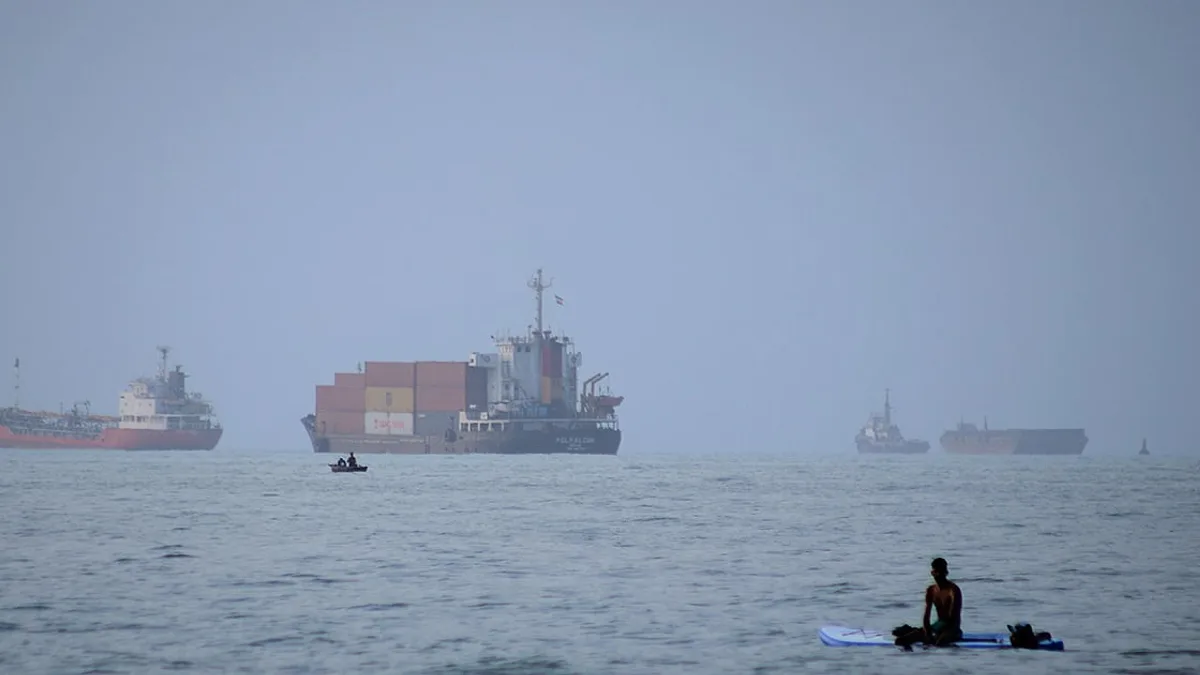
The price of a barrel of Brent crude rose by about four percent as soon as news broke of a new wave of US strikes on southern Iran, a jump that feeds directly into fuel prices in Serbia too, a country with no major oil fields of its own. We reported earlier that the United States struck southern Iran after an attack on two tankers near Khasab. What’s new now is that one of the buildings hit was a residential house where a wedding was underway, that children were among the dead, and that the Iranian Red Crescent sent a letter to the International Criminal Court in The Hague on September 2, asking for an independent investigation.
The strike hit a house in the city of Kuhestak, in Sirik county, in Hormozgan province in southern Iran, in the early morning hours of Wednesday, September 2. A wedding celebration was underway in the house at the time of the attack. Sirik sits right on the Strait of Hormuz, through which most of the crisis between Washington and Tehran has played out in recent months.
Casualty figures vary from source to source, and that discrepancy is worth noting rather than quietly picking one number. The Iranian Red Crescent’s first statement put the death toll at five, including one child, with more than 50 injured. Al Jazeera reported on September 2 that at least four people had died, including two children, with more than 50 injured. In its own submission to the International Criminal Court, the Red Crescent cited four dead and 67 injured. The injured, including women and children, were taken to a hospital in the nearby city of Minab, where, according to the district governor, they were in stable condition.
The Red Crescent released footage of a building with shattered walls and rubble scattered across the ground, along with photos of children receiving hospital treatment. Esmail Bagai, spokesman for Iran’s Ministry of Foreign Affairs, said: “The truth about this unlawful war of choice, and the real face of the war crime, is in Sirik.” Hosein Kermanpur of Iran’s Ministry of Health stated: “A child is among the dead. Power and phone lines have been cut.”
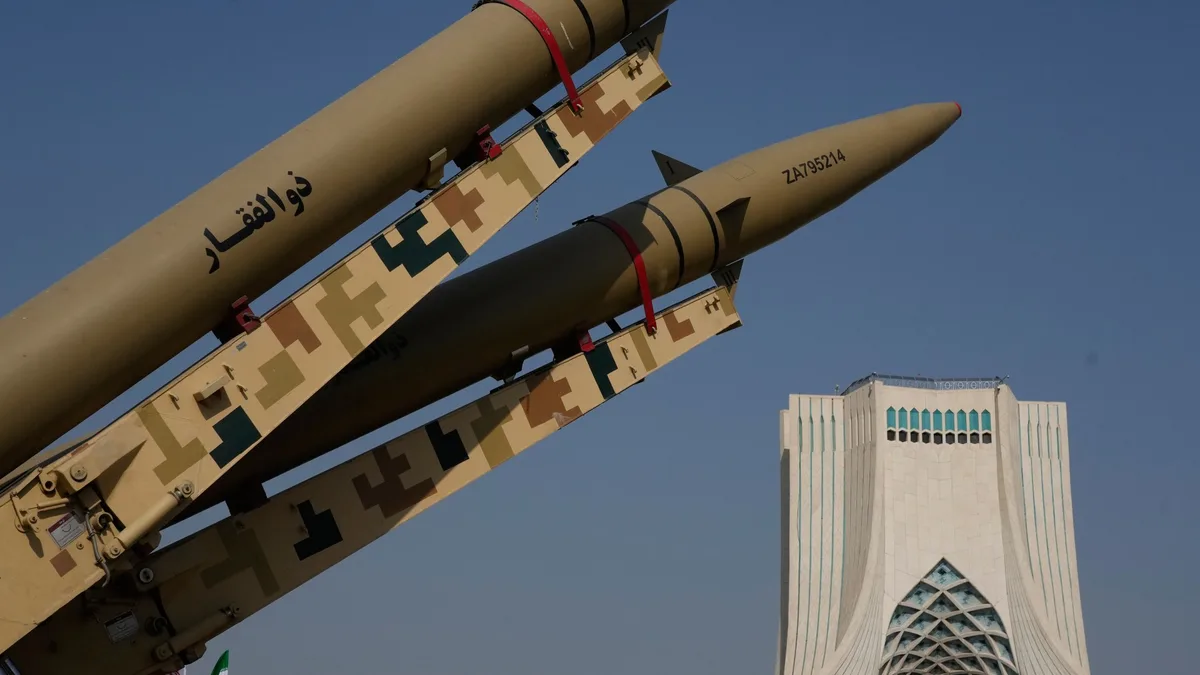
US Central Command (CENTCOM) said the strikes targeted Iranian military sites and came after attempts by the Revolutionary Guard to attack merchant vessels in the Strait of Hormuz and US troops stationed in the region. Its official statement read: “The strikes follow recent attempted attacks by the Islamic Revolutionary Guard Corps on merchant shipping in the Strait of Hormuz and on US service members deployed in the region.” President Donald Trump said the strikes were a response to an Iranian attempt to lay sea mines in the strait and to fire eight missiles at a US base in Jordan. The Revolutionary Guard claims that response in Jordan killed a large number of American soldiers, while US officials say no Americans were killed, and Jordan says three ballistic missiles landed in an unpopulated area.
Revolutionary Guard spokesman Hosein Mohebi said: “The attackers face severe punishment, the United States will regret its new attacks.” Iranian security official Mohsen Rezai added after the strikes: “You will soon see that Iran’s new strategy on the battlefield, in diplomacy, and in confronting the economic blockade will shatter your foundations.”
The wave of strikes that began on the night before Wednesday, September 2, killed 11 people in total, and also hit tankers belonging to Iran’s state oil company. Iran’s health minister said power and phone lines were cut in the area that was hit.
For Belgrade, the most tangible consequence is the price of energy: a four percent jump in Brent after a strike like this reaches the pumps within just a few days, in a country that imports most of its oil. The Red Crescent’s request to The Hague, should the International Criminal Court decide to take it up, would also set a precedent for how war crimes in this conflict get documented and prosecuted, which indirectly affects how long the fight over the Strait of Hormuz drags on. Whether an investigation in The Hague will actually be opened remains an open question for the coming weeks.