US Strikes Larak Island, Iran Fires Missiles at Jordan Bases
The US struck Iranian forces on Larak Island for the first time in a month, and Iran retaliated with missiles on bases in Jordan and drones on a base in the UAE.
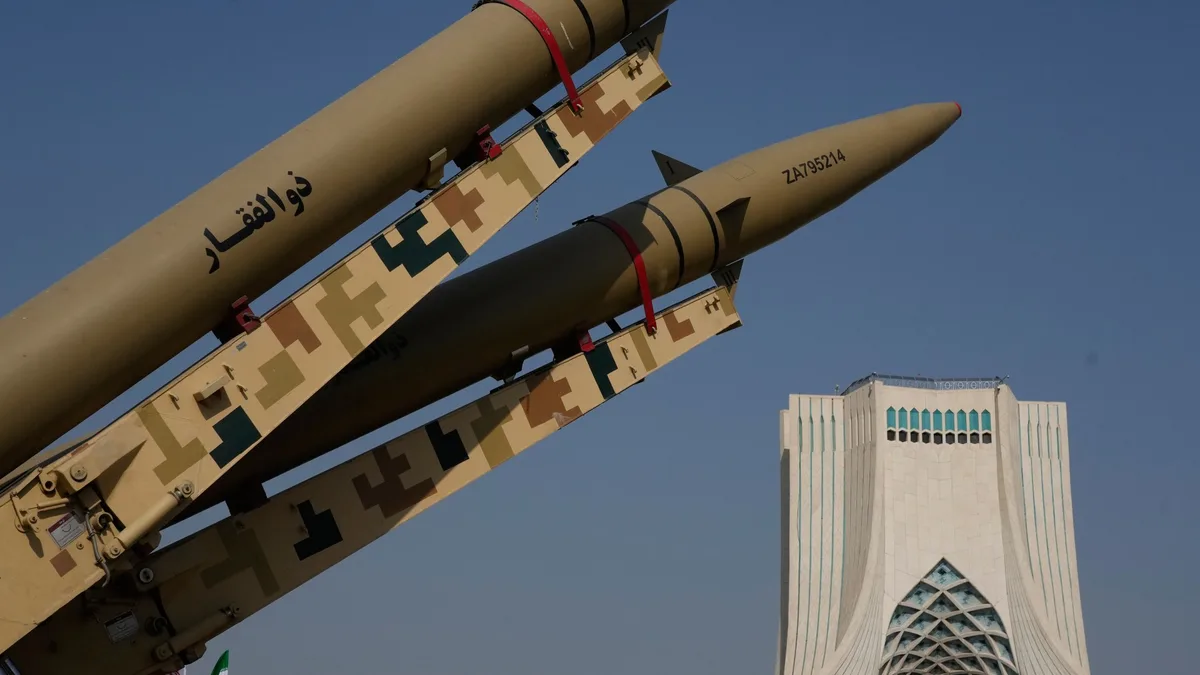
The Strait of Hormuz is a narrow sea passage that still carries a significant share of the world’s oil trade, so any new escalation between Washington and Tehran in that zone quickly reaches fuel prices in Serbia too. The six month conflict crossed from rhetoric into direct military strikes for the first time in a month on Monday: American forces struck Iranian positions on Larak Island, and the Islamic Revolutionary Guard Corps (IRGC) retaliated the same night with ballistic missiles on two American bases in Jordan and drones on a base in the United Arab Emirates.
American forces hit two Revolutionary Guard missile launchers on Larak Island, which sits in the Strait of Hormuz. A senior US official said the launchers had been ready to fire rockets carrying naval mines toward the strait, and that the strike was preventive. It is the first publicly confirmed American attack on Iranian forces in more than a month, since US units carried out strikes on Iranian targets in late July.
The Revolutionary Guard responded with ballistic missiles against the King Hussein and Al Azraq bases in Jordan, where American forces are stationed. The Jordanian armed forces said, via state television, that they intercepted eight missiles that entered Jordanian airspace. Fox News correspondent Trey Yingst, citing US sources, reported that there was no significant impact and that nearly all incoming missiles were intercepted.
At the same time, the Iranian military attacked the Al Minhad base in the United Arab Emirates with drones, saying the target was a site where American forces and helicopters are stationed, and that the strike was retaliation for the deaths of Revolutionary Guard soldiers and civilians on Larak. The UAE Ministry of Defense denied that the base had been targeted and said its air force intercepted a drone coming from Iran over the country’s territorial waters.
The Revolutionary Guard also claims it shot down an American MQ-9 reconnaissance drone over the Strait of Hormuz using air defense systems. Iran’s Tasnim news agency published a preliminary, unofficial toll from the strike on Larak: two dead and two wounded. The Revolutionary Guard said the strike killed and wounded several of its fighters and civilians, without giving an exact number, and vowed that those responsible would be punished.
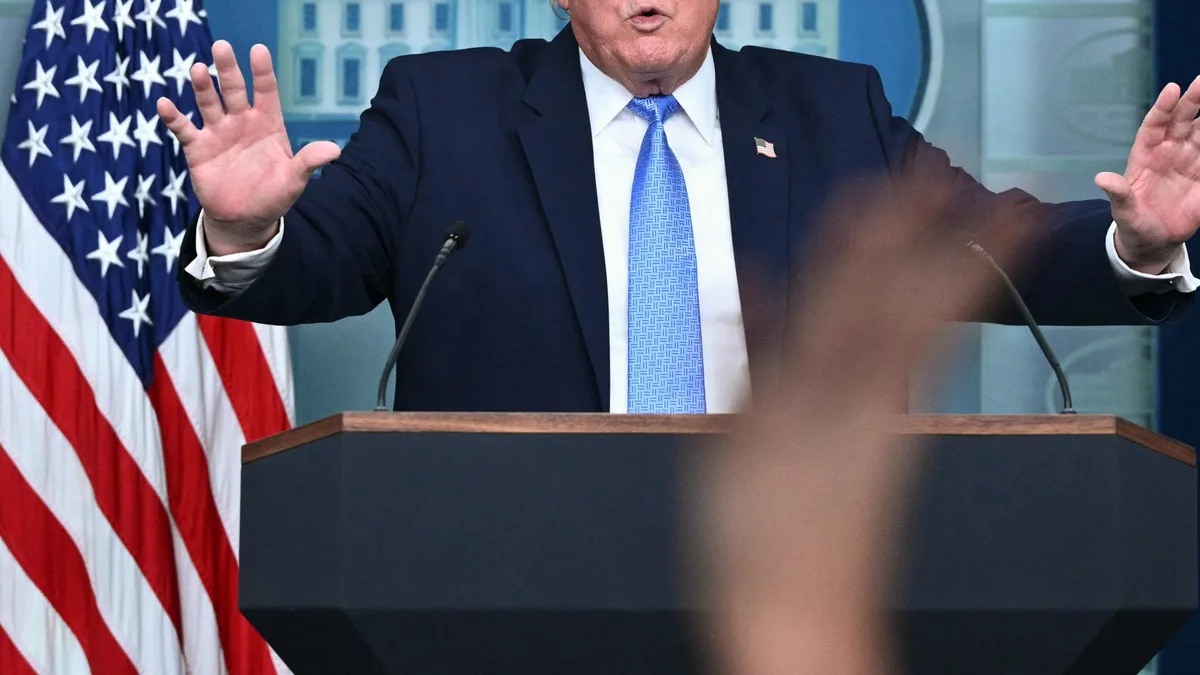
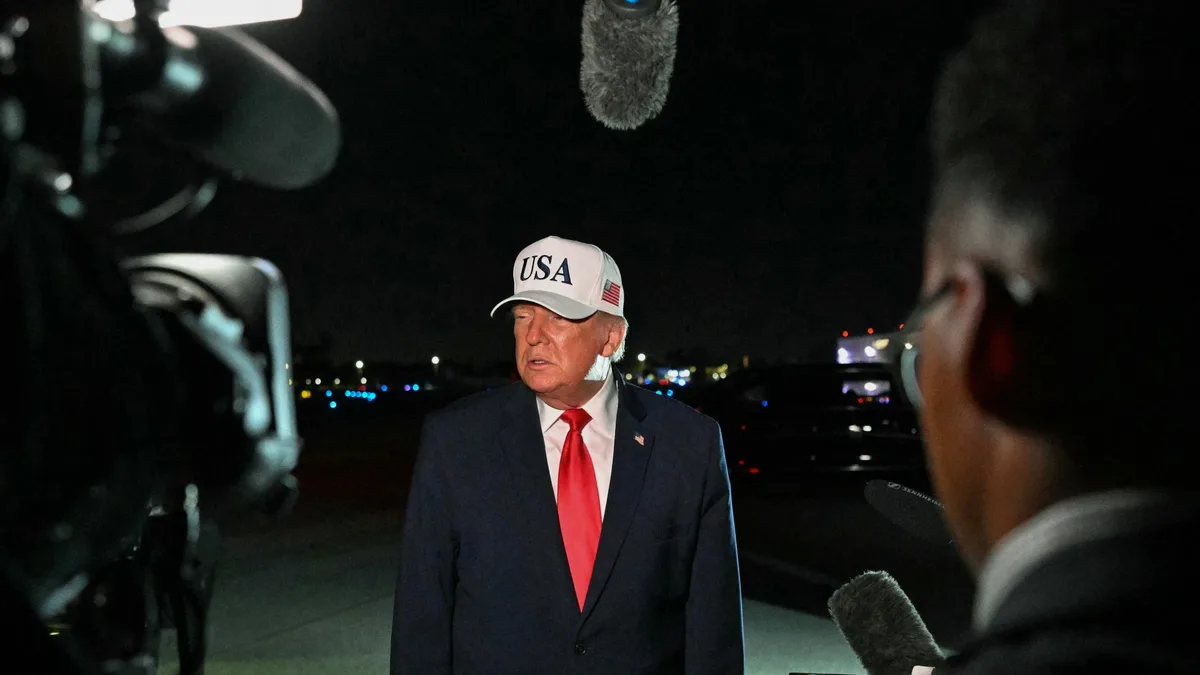
President Donald Trump claimed on social media that Iran’s Kharg oil island, which handled ninety percent of Iran’s oil exports before the war, is “being blown to smithereens.” There is no other evidence that the oil hub was actually attacked, and the White House and the US Department of Defense did not immediately respond to questions about the claim. Iranian media have not reacted to Trump’s statement either.
The same senior US official who spoke about the launchers on Larak also said American forces had already finished clearing naval mines from international shipping lanes in the Strait of Hormuz and were ready to protect commercial shipping through the strait. Trump himself made a similar claim last week, saying all mines in the international waters of the Strait of Hormuz had been removed or detonated, and that any ship laying new mines would be destroyed.
srpske.rs has previously reported on Iranian claims that Tehran controls the Strait of Hormuz and on Trump’s opposing statements that the strait is open to shipping. Monday’s strike on Larak and Iran’s response show that this exchange of claims has now, for the first time in a month, turned into a direct military clash, at a moment when more than 50,000 American troops are deployed in the region, according to US figures.
The conflict, according to Israeli and American media, has entered its seventh month since the United States and Israel struck Iran on February 28, with Tehran retaliating against Israel and the Gulf states hosting American bases. In recent weeks, alongside occasional military strikes, Washington has also announced tighter sanctions against institutions doing business with Iran. Whether Monday’s exchange of strikes remains an isolated incident or a sign of a new round of escalation will depend on how Tehran and Washington act in the coming days.