Saudi Arabia Downs Drone Near Mecca, Houthis Deny Attack
Saudi Arabia intercepted a drone headed for Mecca and called it a 'red line,' while Yemen's Houthis deny posing any threat to the holy sites.

Oil prices have stayed above 100 dollars a barrel since the latest wave of attacks, and any disruption in the Gulf ripples through global markets and eventually reaches gas pumps in Serbia. Thousands of pilgrims from the Balkans also travel to Mecca each year for the Hajj and Umrah, which means a threat to the security of Islam’s holiest city is not just a Middle East story.
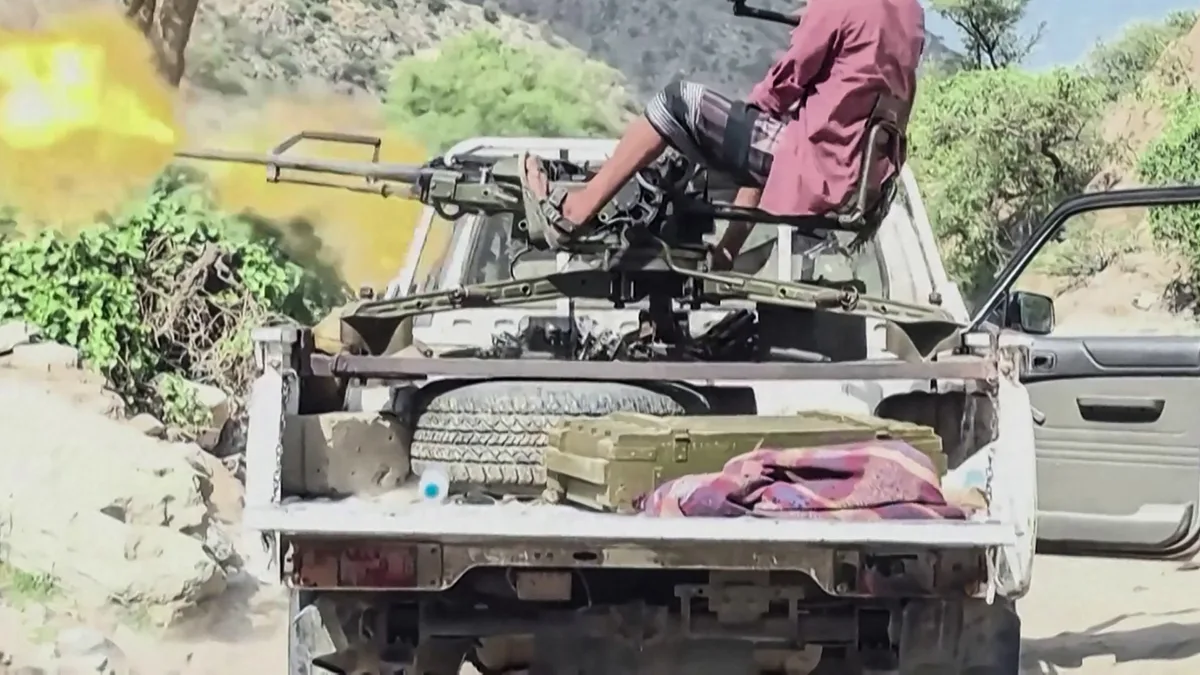
Royal Saudi Air Defense Forces intercepted and destroyed a drone that Riyadh says was launched by Yemen’s Houthi movement, before it could enter restricted airspace over Mecca on Tuesday evening. The drone was shot down south of the city, the Saudi-led coalition said. Air raid sirens sounded the same day in Mecca, Taif and Jeddah, and the alert for Mecca was lifted within minutes.
It was the first alert of its kind in Mecca since 2017, when the Houthis, according to Riyadh, last tried to strike the city with a ballistic missile. Coalition spokesman Colonel Turki al-Maliki said this was the second Houthi attempt to attack Mecca since the war in Yemen began in 2015.
“The security of the two holy mosques and the pilgrims is a red line,” al-Maliki said in the coalition’s statement.
Mecca lies roughly 1,100 kilometers from the Yemeni border. The city is home to the Kaaba, the site toward which two billion Muslims worldwide turn during prayer, and millions of pilgrims visit it every year for the Hajj and Umrah.
The Houthis deny the claim. A military source from the movement told Yemen’s SABA news agency that there is no threat from Yemen directed at Mecca.
“We categorically deny that there is any threat from Yemen directed at the city of Mecca or any other holy site,” the Houthi military source said.
The movement’s military spokesman, Brigadier General Yahya Saree, said the Houthis’ targets are Saudi oil facilities and military bases, far from the holy sites. Saree also claimed the same week that the Houthis had shot down a Saudi-led coalition F-15 jet over the central province of Marib, though that claim has not been independently confirmed.
Two separate attacks, not one event
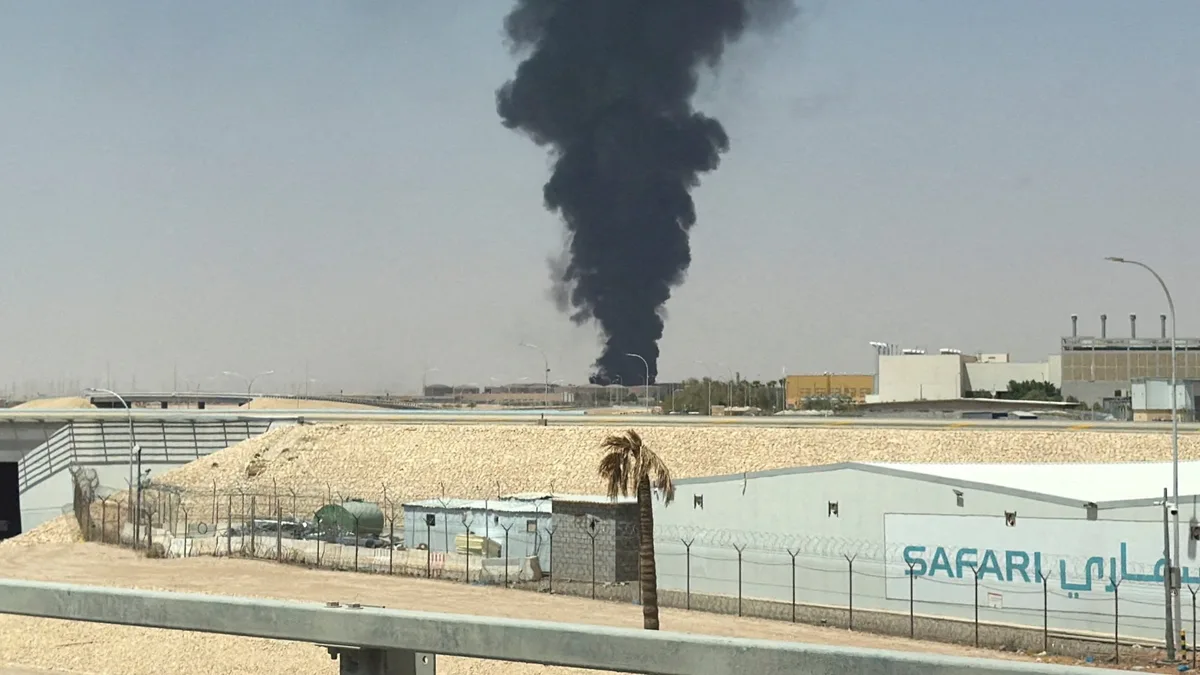
Riyadh also blames the Houthis for two earlier strikes that reports often blur together as though they were the same event. On September 8, the coalition said the Houthis had targeted civilian and economic sites in Abha, Khamis Mushait, Jazan and Najran, injuring 73 people, including women and children. Separately, the Houthis have repeatedly attacked the East-West pipeline, which has become critical for crude oil exports since the standoff over Iran disrupted shipping through the Strait of Hormuz. Available information indicates that pipeline was not knocked out of service until around September 11, following a distinct wave of drone strikes, meaning it may not be the same day or the same attack as the September 8 strikes on the four cities.
In July 2026, the Houthis also declared a naval blockade of Saudi waters, and their attacks on infrastructure and shipping in the Red Sea are also threatening the Bab el-Mandeb strait, one of the world’s busiest shipping lanes. According to India’s Outlook magazine, Israel has offered Saudi Arabia intelligence on threats to its oil facilities and to the strait.
Support arrives, military help does not
Reactions from the region came quickly, though without any announcement of military support. Pakistani Prime Minister Shehbaz Sharif joined the condemnation of the attack and said his country and Saudi Arabia stand, in his words, firmly and shoulder to shoulder. The Organisation of Islamic Cooperation, which brings together more than 57 Muslim-majority states, said the attempted attack violated the sanctity of the holy sites.
The new defense pact between Saudi Arabia, Turkey and Pakistan remains inactive for now. Turkish and Pakistani officials told the AP that they had not received any request for support from Riyadh following the Houthi escalation, and a Turkish official added that the alliance still needs to be institutionalized before the pact can become operational.
In Washington, where there has been little appetite lately for deeper involvement in the conflict, U.S. President Donald Trump said on Saturday:
“The Houthis called us, and they don’t want to fight with us.”
Vice President JD Vance said on Monday that Washington remains in constant contact with the Saudis and is holding direct talks with the Houthis themselves.
Chinese President Xi Jinping again offered Beijing’s mediation to end the Middle East conflict at the BRICS summit in New Delhi, while Iranian Foreign Minister Abbas Araghchi visited China, the largest buyer of Iranian oil, where shipping through the Strait of Hormuz was also on the agenda.
There is still no timeline for when Riyadh might respond to the attacks, or receive military support from its allies under the defense pact.