Trump Signs Russia Sanctions Bill: Tariffs Up to 500%
President Trump signed a law named for Senator Lindsey Graham: tariffs up to 500 percent on Russian goods, up to 100 percent for Russia's top oil buyers, China and India.

US President Donald Trump signed a law on Friday, September 18, imposing new sanctions and tariff measures on Russia, the White House announced. The legislation, called the Lindsey O. Graham Sanctioning Russia and Iran Act of 2026, is named for the late Republican senator from South Carolina who spent years pushing for tougher pressure on Moscow. The law matters for Serbia because it reaches directly into trade in Russian oil and gas, an area where Belgrade, which imports energy from Russian sources, has its own stake in tracking every change to the rules.
We previously reported that Congress had passed the law and that Trump’s signature was still pending. That step is now complete: the law has been signed and has taken effect.
What the law requires
Under its provisions, the US president must, within 30 days of the law taking effect, impose tariffs of up to 100 percent on goods from countries that rank among the five largest buyers of Russian oil or gas over the preceding twelve months, or that help Russia evade existing sanctions on oil exports. The same 30 day deadline applies to tariffs of up to 500 percent on goods imported directly from Russia, subject to exceptions written into the law.
The law also broadens sanctions on Russian President Vladimir Putin, Russian officials, oligarchs, banks and financial institutions, the energy sector, and the so-called shadow fleet, the ships used to evade sanctions on Russian oil exports. It further extends the Iran sanctions law for another five years, through 2031. The president keeps the right to lift or delay the tariffs and sanctions if he notifies Congress in writing and certifies that such a decision serves the national interest.
China and India most exposed
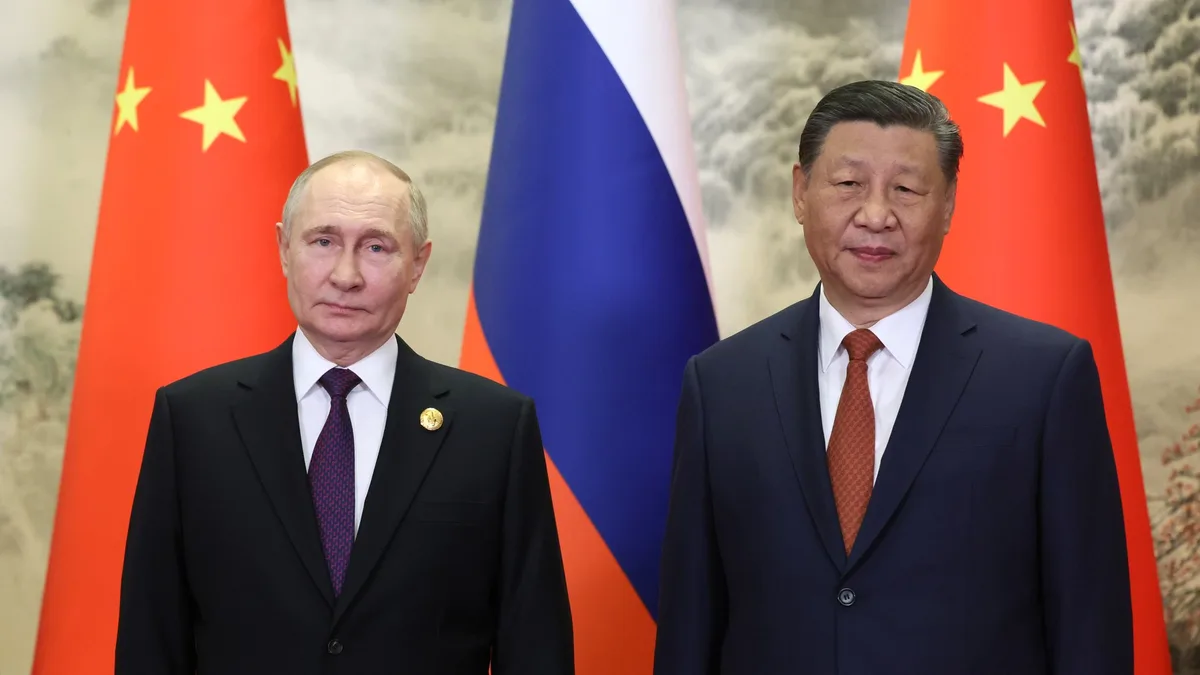
The law does not name individual countries, but the largest buyers of Russian crude oil, China and India, remain the most exposed to possible tariffs. Trump is set to host Chinese President Xi Jinping at the White House on September 24, a meeting that now carries extra weight given that Beijing is among the countries the new tariffs could target.
Some lawmakers warned during debate that the law hands the president overly broad tariff powers. The House of Representatives passed the bill on Wednesday, September 16, by a vote of 262 to 159, while the Senate, with substantial support from both parties, had already done so in August, by a vote of 86 to 11.
Graham’s death and the law’s renaming
Lindsey Graham, the senator from South Carolina, died on July 11 this year at age 71 from a ruptured aorta, a day after meeting Ukrainian President Volodymyr Zelensky in Kyiv. Trump spoke at his funeral, and the law was later renamed in his honor.
Zelensky welcomed Trump’s decision and thanked him, along with the lawmakers in both chambers of Congress who voted for the bill. He recalled that Graham had spent years pushing for tougher economic pressure on Moscow, including limits on purchases of Russian oil, on financial services provided to Russia, and on business ties with Russian companies linked to the Kremlin and the war in Ukraine.
“The best way to honor Lindsey’s memory will be the full and swift implementation of this law’s provisions,” Zelensky said.
He added that Graham believed the United States had enough leverage to confront authoritarian governments, provided it acted decisively.
“Peace comes through strength. Calm comes through security. And the best guarantee of security is resolve,” the Ukrainian president said.
War in Ukraine still without an end in sight
The war Russia launched against Ukraine continues with no clear resolution, despite Trump’s campaign promises to end the conflict as soon as he took office. Earlier this month, Trump’s son-in-law Jared Kushner and special envoy Steve Witkoff visited Putin in Moscow, then traveled to Kyiv to meet Zelensky. After his talks with Putin, Trump spoke to reporters about why the negotiations are moving slowly.
“The obstacle is two people who hate each other. I think, more than anything else, it comes down to two people who hate each other,” Trump said.
Alongside the sanctions on Russia, the law extends the existing sanctions regime on Iran. As a reminder, the earlier US war with Iran had temporarily disrupted the global oil market, a period from which Russia profited, since the Trump administration briefly allowed purchases of Russian oil that was already at sea.