Iran Threatens New Targets, Missile Hits Tanker in Hormuz
IRGC spokesman warned of new weapons and targets if the US strikes again, hours after an unidentified projectile hit a tanker entering the Strait of Hormuz and injured two crew members.

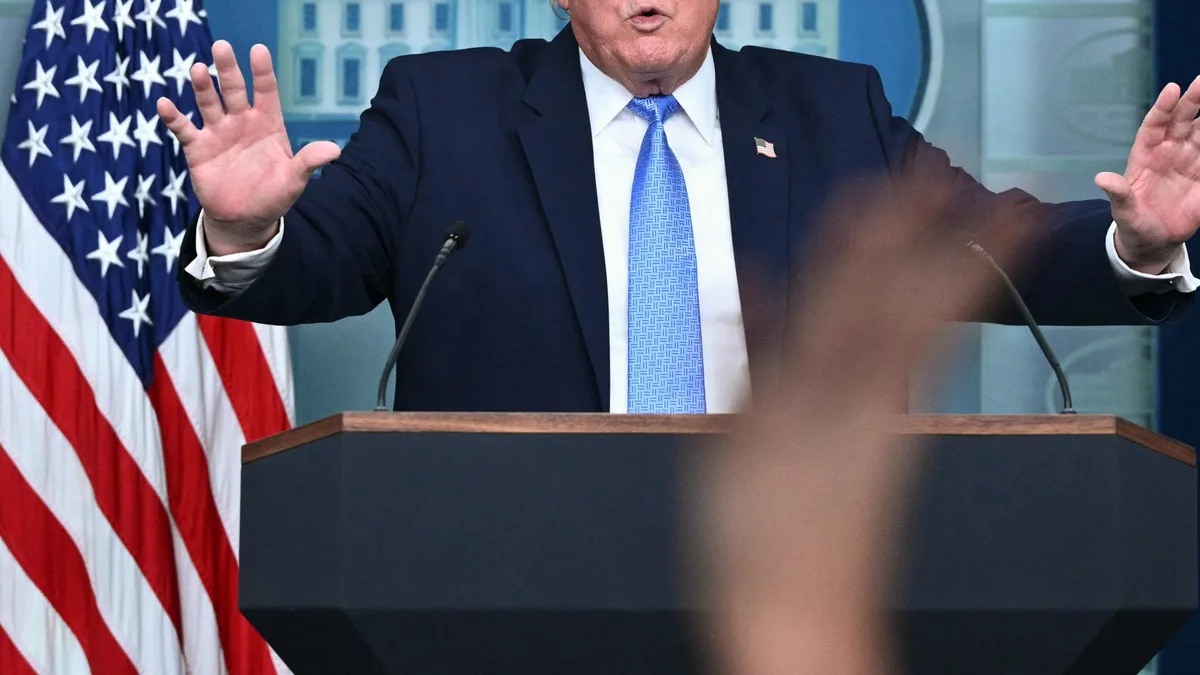
Islamic Revolutionary Guard Corps spokesman Hosein Mohebi has warned that if the United States strikes Iran again, Tehran will change its weapons and what he called the geography of the war, hitting targets that have not been struck so far. That same morning, an unidentified projectile hit a tanker entering the Strait of Hormuz, through which a fifth of the world’s oil passed before the war, injuring two crew members. For Serbia, which tracks the price of imported oil and fuel through world exchange rates, every new incident in the strait means fresh pressure on the price at the pump, even when the fighting is happening thousands of kilometers away.
Mohebi’s remarks have been reported in two different ways. According to Aaj English TV, he made them in a television appearance on Sunday evening, while Sunday Guardian reports that he said the same thing on Monday, in an interview with the Al Alam network. Some sources also spell his surname as Mohibi. Whatever day it was, the message is the same: Iran’s military command is publicly signaling that its next response will look different from anything so far.
“If a new attack happens, our defensive and offensive operations will change significantly. We will change our weapons and the geography of the war, and we will bring new capabilities with new capacities into the field. The world will be surprised,” Mohebi said.
The Revolutionary Guard spokesman added that the targets Iran is now considering differ from those already struck. “Our targets are no longer the same as before. We have identified new targets that have not been hit so far,” Mohebi said, adding that Tehran is also ready for a prolonged conflict: “Iran is ready for a long war.” He stressed that the Revolutionary Guard has not been in contact with Washington and that the armed forces have not engaged in diplomacy, only in defending the country.
Iran’s central military command said on Sunday that any new attack would trigger lasting retaliation against American bases and interests in the region, and that Washington’s regional allies would be treated as parties to the conflict. Army commander Major General Amir Hatami said Iranian forces are fully prepared for a possible new attack, whether from the US or Israel.
The tanker attack in the Strait of Hormuz
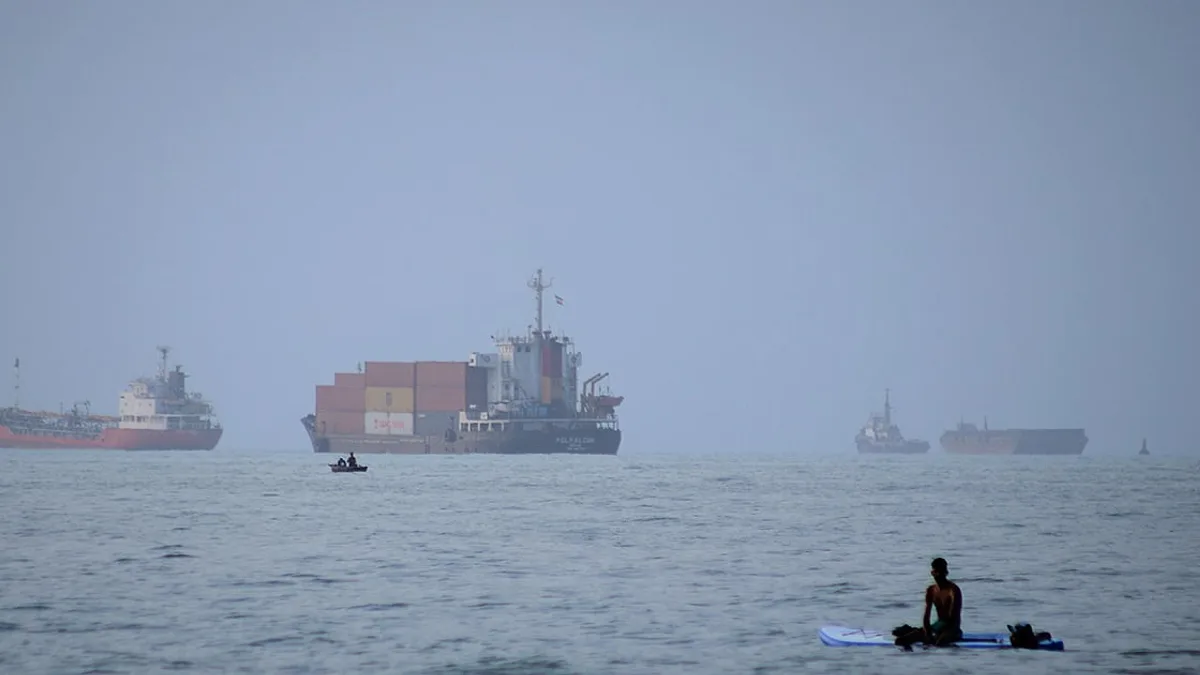
While Mohebi was discussing Iran’s next moves, the British maritime authority UKMTO received a report at 7:30 UTC, or 9:30 Belgrade time, that a tanker had been hit by an unidentified projectile while entering the Strait of Hormuz. Two crew members suffered minor injuries, and the ship continued under its own power toward its next port. The vessel’s name and flag have not been released, and there are no reports of an oil spill.
“The vessel retained full manoeuvrability and continued its passage under its own power to the next port,” UKMTO said in a statement carrying warning number 140-26. Media close to the Iranian state claim the ship was hit by Revolutionary Guard missiles, but UKMTO has not officially attributed the attack to anyone.
How many ships are still crossing the strait?
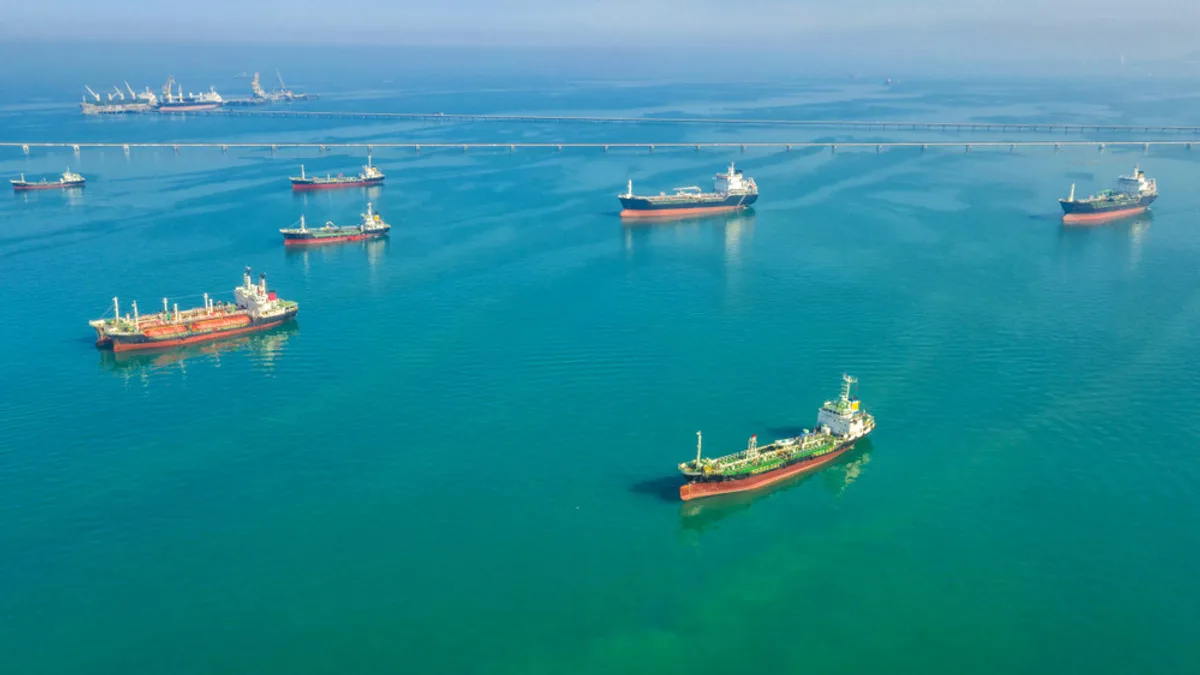
According to figures cited by Haaretz, traffic through the Strait of Hormuz fell to just 12 ships last weekend, down from 35 the weekend before. Before the war, around 125 large commercial ships passed through the strait every day, carrying roughly 20 million barrels of oil, about a fifth of global consumption.
The war waged by the United States and Israel against Iran began on February 28, 2026, and the Strait of Hormuz has been a recurring target of threats and occasional attacks ever since. Srpske Novine reported on September 20 on remarks by Iranian official Ghalibaf that the strait remains closed.
Iranian President Masoud Pezeshkian is set to travel to New York on Tuesday for the United Nations General Assembly, where he is due to speak on Wednesday, a day before the Israeli prime minister’s address on Thursday. Whether the threats of new weapons and new targets turn into another attack, or New York offers room for talks instead, depends on the moves still to come this week.