Trump to TIME: There Can Never Be Peace With Iran
In an interview published October 1, the US president claims he destroyed Iran's navy and air force, while Tehran confirms it received an answer on Hormuz.

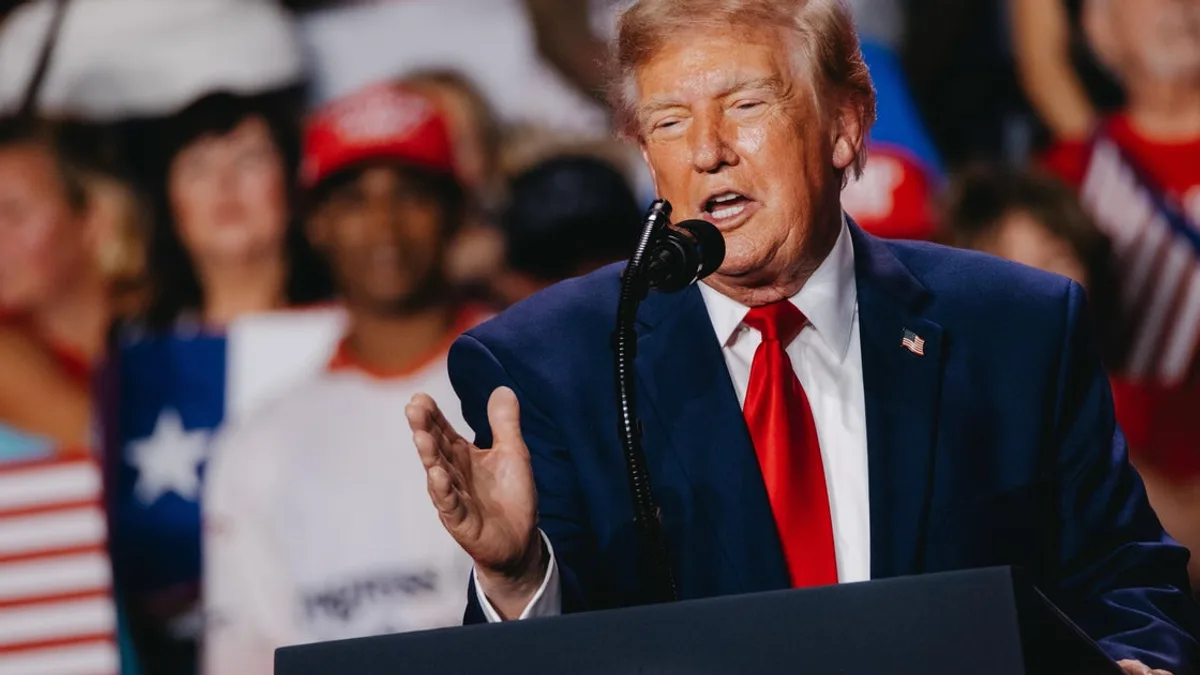
U.S. President Donald Trump said in an interview with TIME magazine, published October 1, that in his view there can be no peace with Iran. The remark comes the same day Tehran confirms it has received the American response to its proposal on the Strait of Hormuz. Oil prices, which Trump discusses in the interview as a consequence of any deal, also spill over to pumps in Serbia, which imports its energy.
The interview was conducted at the White House by TIME political correspondent Eric Cortellessa and editor-in-chief Sam Jacobs. The transcript on the TIME website says it took place on September 28, while some outlets cite September 29.
What did Trump say about peace with Iran?
The journalists reminded him that last week he used the word annihilate, suggesting he could wipe Iran off the map, and asked how a president who calls himself a president of peace can talk about destroying an entire nation. He answered:
“By destroying Iran, we created peace in the world. I think you can never have peace with Iran.”
Asked why a war announced in February as a six-to-eight-week job is entering its seventh month, Trump said he had kept to the deadline but “wanted to go further.” He compared the war, launched by the U.S. and Israel in late February 2026, to Vietnam and Afghanistan, where American troops stayed for years, and listed what he says he has achieved:
“I destroyed their nuclear capability. I destroyed their navy, 159 ships are at the bottom of the sea. I destroyed their air force.”
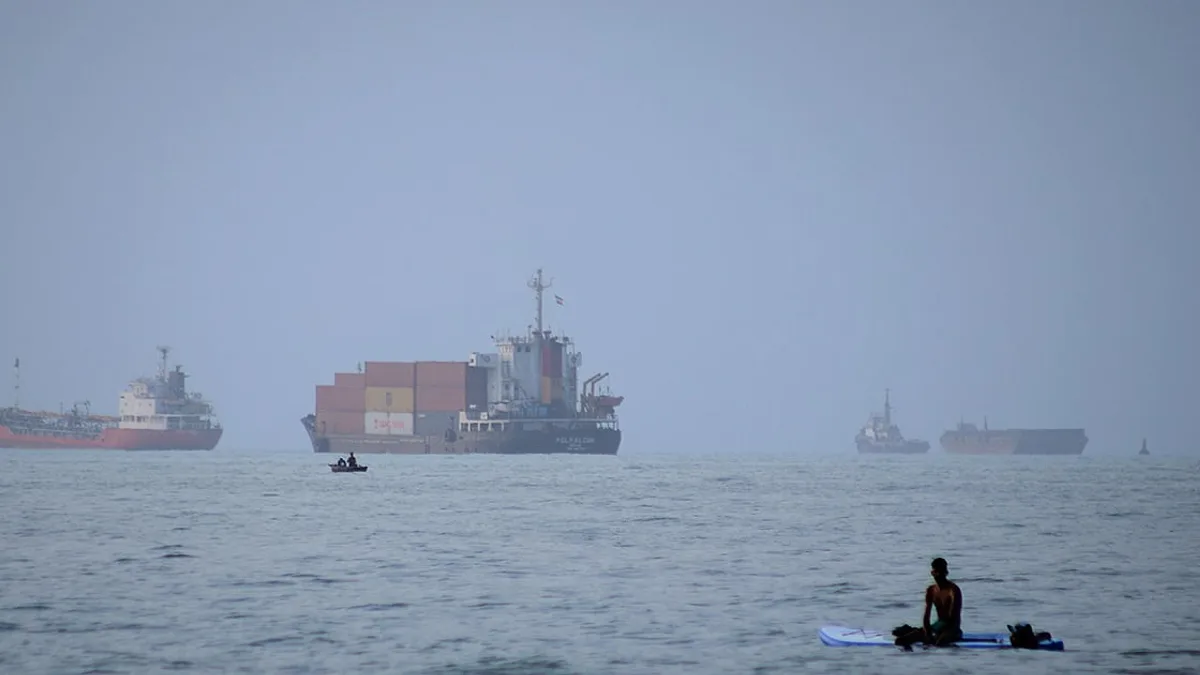
On the Strait of Hormuz, he said the U.S. has effectively closed it to Iran and taken it over, and that more tankers passed through last night than ever before. The sources available to us have not independently confirmed those claims.
What does Tehran say about the American response?
Iranian government spokeswoman Fatemeh Mohajerani told the state news agency IRNA on September 30 that Foreign Minister Abbas Araghchi presented the American response to President Masoud Pezeshkian at a cabinet meeting. Its content has not been disclosed, so it is not known whether it amounts to a rejection. According to agency reports, Reuters among them, the response arrived through Qatari mediators. Fortune reports that Araghchi, in New York on the sidelines of the UN General Assembly, spoke with Qatari and Pakistani mediators.
According to Fortune, Pezeshkian said:
“We will make every effort to see the agreement realized, and we will firmly stand in defense of the rights of the Iranian people. The agreement must now rest on a win-win strategy.”
Last week Araghchi said Iran would open the strait within a week if the U.S. lifted its blockade of Iranian ports, released frozen funds and exempted Iranian oil sales from sanctions, along with other conditions. Trump rejected that proposal, and in the TIME interview he explained why:
“Because the things that I wouldn’t have approved a year ago, I wouldn’t approve today.”
When we last wrote about this story, Araghchi was still waiting for Washington’s answer. We now know it has arrived, but its content is not public.
Will the bombing intensify after the election?
TIME asked the president whether he would step up the bombing after the American midterm elections, as some reports have suggested. In the published transcript, Trump replies that he can’t say, and asks back where he would even bomb. Iran International and The American Conservative report that he answered in a single word, “possibly,” but that word does not appear in the published transcript, so all that can be said with confidence is that he avoided ruling out such a step.
Fortune notes that Trump spoke at the start of the war about a conflict lasting a few weeks, and that more recently he said he does not expect it to end before the November 3 election. On Tuesday he said Iran is “doing very badly” and that the war will be “over very, very quickly.”
What is happening on the ground and in the economy?
The Iranian rial fell on Tuesday to a new low, beyond 2.5 million to the dollar. The previous record of 2.2 million was set on September 2, 27 days earlier. The same day, the U.S. Treasury Department imposed new sanctions on ten individuals and companies in Iran, Hong Kong and Pakistan, over the procurement of weapons and components for Iran’s Ministry of Defense.
According to the British maritime agency UKMTO, three tankers were hit by unidentified projectiles in the Strait of Hormuz on September 29. Iran’s IRNA also reported that two men were executed on Wednesday for taking part in violence during the January protests in Mashhad, in which four members of the security forces were killed.
The Iranian Revolutionary Guard, according to CBS News, hailed the withdrawal of American forces from Iraq as a “historic victory.” Iraqi Prime Minister Ali al-Zaidi confirmed that the deadline for armed factions, many of them under Iranian influence, to hand over their weapons has been pushed back to June 30, 2027.
The next named date is November 3, the day of the American midterms, before which, according to Fortune, Trump does not expect the war to end.