Pezeshkian Shows Minab Children's Photos at UN
Iran's president held up photos of children killed in Minab before the UN General Assembly and said 'Yes, they struck us, but we did not kneel,' a day after Trump's threat against Iran.

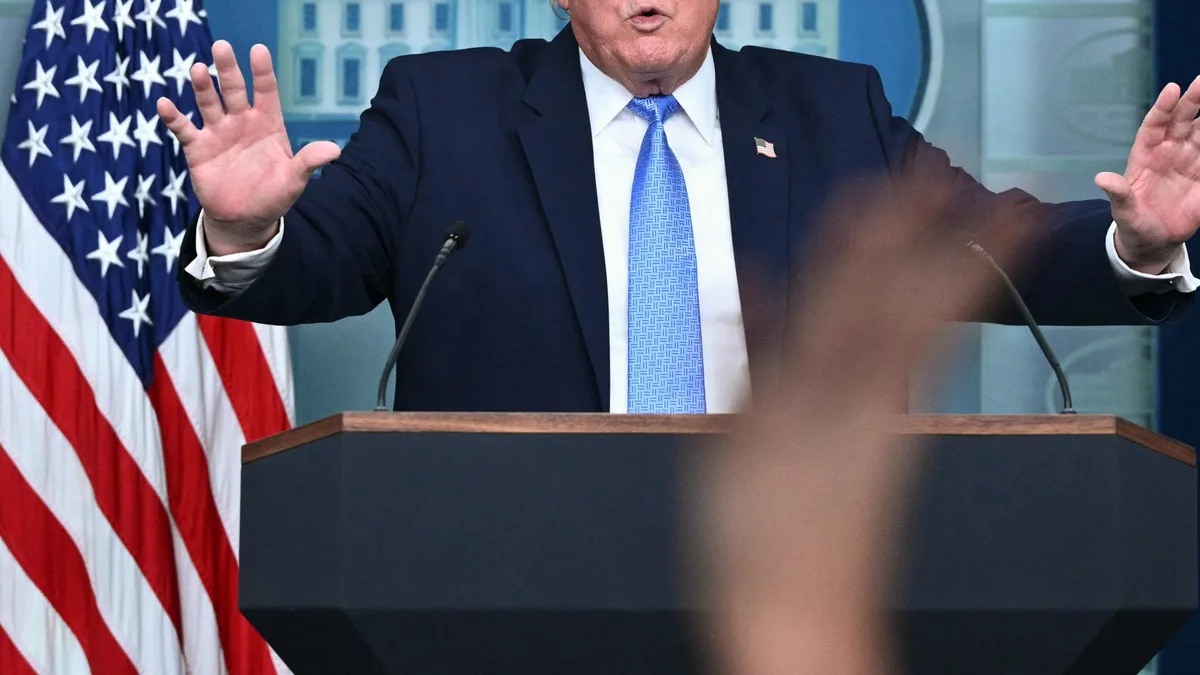
Iranian President Masoud Pezeshkian addressed the UN General Assembly in New York in person on Wednesday evening, September 23, for the first time since the start of the war with the United States, a day after Donald Trump threatened from the same podium that he could “destroy” the Islamic Republic if a deal is not reached soon. Until now, the only account of Iran’s response to that threat had come from Trump himself, who described a three hour conversation between his envoys and the Iranian delegation. For Serbia, the story is not just distant news from the other side of the world: as the war continues, the Strait of Hormuz still sees occasional attacks, and commercial traffic through it remains below prewar levels, a fact that feeds directly into global oil prices, and from there into fuel prices in Serbia.
Why Did Pezeshkian Show Photos from Minab?
Pezeshkian opened his speech by holding up two enlarged photographs, one showing the slain supreme leader Ali Khamenei, the other showing children he said were killed in American and Israeli bombing during the first days of the war, among them a pupil from a school in Minab, in southern Iran. According to US media reports, more than 150 people were killed in a Tomahawk cruise missile strike on the elementary school in Minab on the first day of the war, around 120 of them children, though sources differ on the exact death toll.
“Yes, they struck us, but we did not kneel,” Pezeshkian said, adding that Iran “was never the aggressor” and that the war had been forced on it. Toward the end of his speech, he addressed the American president directly.
“Mr. Trump and those who are trying to bully us need to understand that we are ready for dialogue, diplomacy and negotiations, without accepting the language of force,” the Iranian president said from the podium.
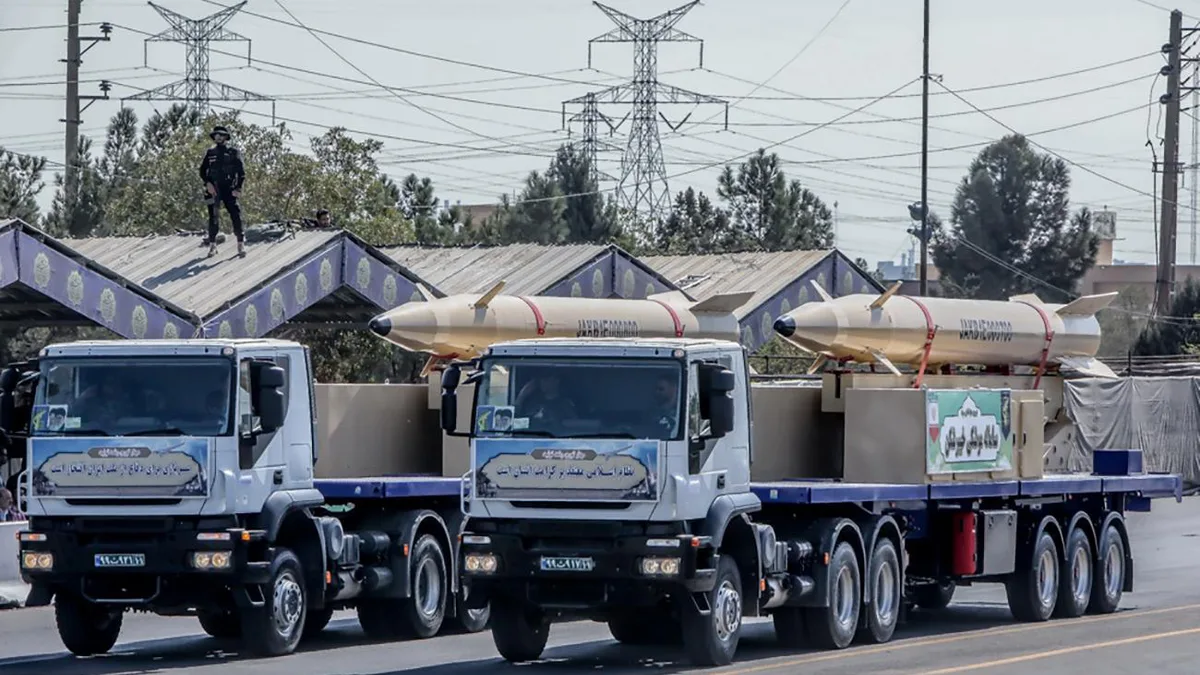
The war waged by the United States and Israel against Iran has lasted almost seven months, and the truce agreed in June has collapsed. According to US media assessments, no leader has previously addressed the General Assembly in person while their country was in an open war with the United States. During the speech, the only American diplomat present left the hall, the Times of Israel reported, while the address, according to one US outlet, was watched by about 130 delegates.
“Iran never, absolutely never has been the aggressor, never started a war and has always shown commitment to the negotiating table. War was imposed on us, but we proved that we are not afraid to fight,” Pezeshkian said.
The Iranian president also claimed that his country did not target civilians during the war, a claim PBS and the Times of Israel labeled inaccurate, noting that the victims of Iranian strikes included sailors and migrant workers from the region. On Iran’s nuclear program, he said: “No nuclear weapons, and no restrictions on new peaceful nuclear technology.” He dismissed accusations that Tehran supports terrorism by saying that “those who are terrorists and who train terrorists are calling us terrorists.”
Are Trump and Pezeshkian Meeting in New York?
US Secretary of State Marco Rubio said Trump was open to meeting Pezeshkian while the Iranian president is in New York. Iranian Foreign Ministry spokesman Esmaeil Baghaei said the same day that talks with US officials, mediated by Qatar, had brought “nothing new.” Srpske Novine reported the previous day on Trump’s threat from the same podium and on the three hour conversation between his envoys Steve Witkoff and Jared Kushner and the Iranian delegation, in which, according to Trump, the conditions for reopening the Strait of Hormuz were also discussed.
Pezeshkian closed his speech with a message aimed at Washington. “We will never bow our heads or kneel,” the Iranian president said. Whether the announced meeting with Trump will actually take place, and whether it would produce the first concrete step forward after seven months of war, remains a question for the coming days, as the UN General Assembly session in New York continues through the end of the week.