Riyadh Airport Attack Kills 12, Trump Weighs War on Houthis
Saudi Arabia blames the Houthis for the third attack on Riyadh's airport in a week, the deadliest in the kingdom in more than a decade. Washington is deciding whether to enter the war.
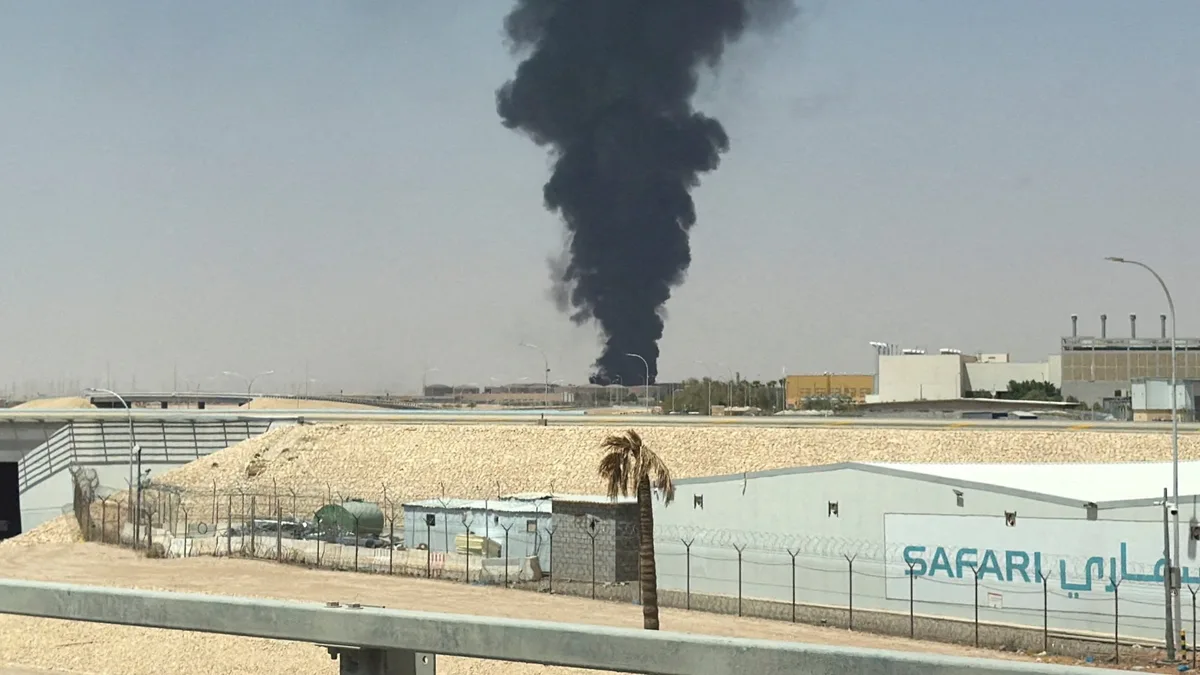
At least 12 people were killed in an attack on King Khalid International Airport in Riyadh on Saturday, October 10, and US President Donald Trump said afterward that he is considering bringing the United States into the war against Yemen’s Houthis. Serbia condemned the attack through caretaker Foreign Minister Marko Djuric, and the strike on the Gulf has an economic side that reaches us too: according to Reuters, disruption to shipping through the Strait of Hormuz is already pushing up the price of crude oil.
What do we know about the victims?
Saudi Arabia accused the Houthis of killing at least 12 people and wounding about 300. The number of injured varies by source: Al Jazeera’s main report puts it at about 300, while its live coverage and RTS, citing Saudi officials, give 309. The Saudi General Authority of Civil Aviation said the dead include four Saudis, two Bangladeshi nationals, and one citizen each of the US, Jordan, Palestine, Syria, Sudan and Egypt.
It was the third attack on the same airport in a single week and the deadliest on the kingdom in more than a decade, Al Jazeera reports. Saudi officials, according to RTS, say it is the deadliest attack on any Gulf Arab state since the US-Israeli war against Iran began in February. Figures for the earlier attack that week do not match: RTS says four people died and a Saudia aircraft was damaged, while Al Jazeera’s earlier reporting mentions three dead.
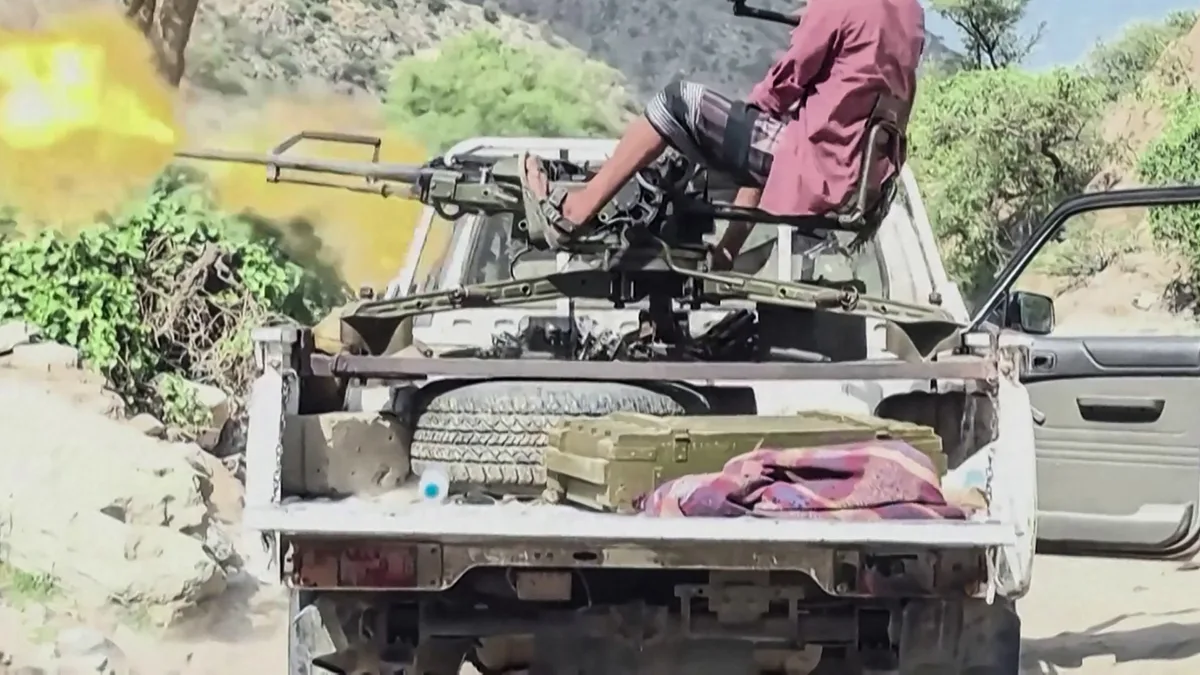
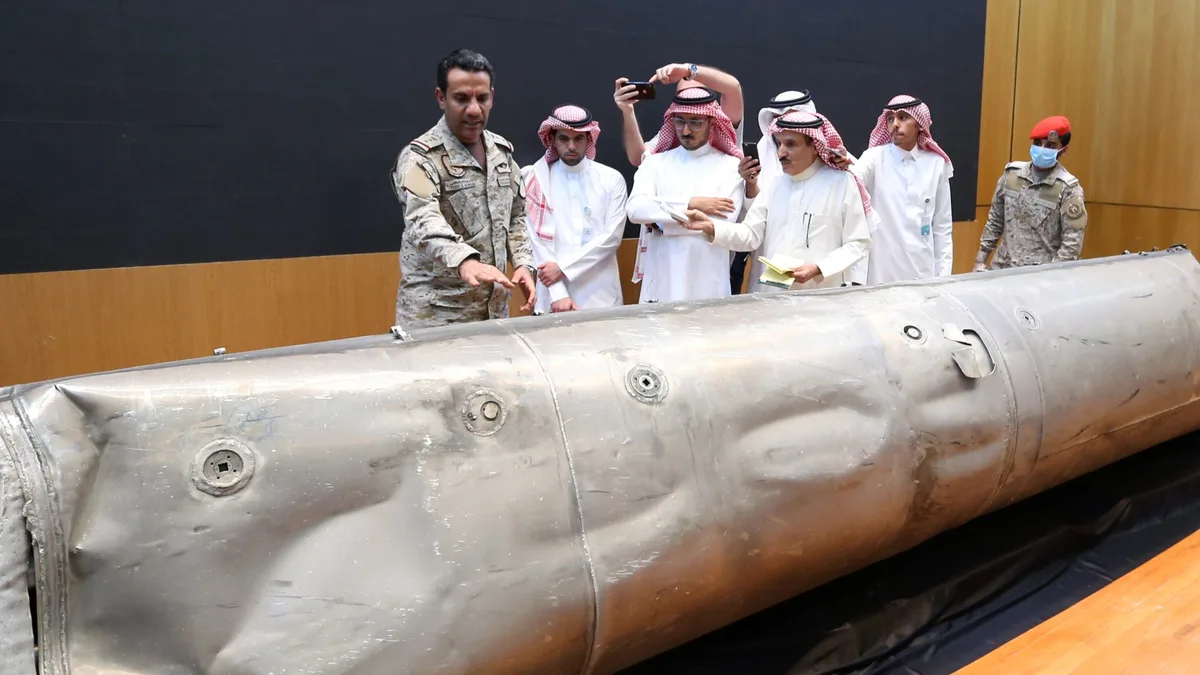
Turki al-Maliki, spokesman for the Saudi-led coalition, blamed the Houthis and called it a “terrorist act that will receive a strong response”. The coalition described the attack as a “full-scale war crime”. The Houthis, according to RTS, have not yet claimed responsibility for this attack, although they claimed the earlier ones this week. They repeated their warning to airlines, airport workers and passengers not to use Saudi airports, and they blame Saudi Arabia for the failed interceptions of missiles they themselves launched at Riyadh.
How did the attack bring Riyadh to a halt?
According to the flight-tracking site Flightradar24, 546 flights were cancelled, about 74 percent of the daily traffic for Riyadh, and aircraft flying nearby are avoiding the area around the airport. The AFP agency reported, citing an email sent to parents, that all schools in Riyadh are moving to remote learning for a week. The US Embassy urged its citizens to avoid the airport and surrounding areas, and US government employees need separate approval to use the airports in Riyadh, Jeddah and Dammam.
The attacks came right before major energy and investment conferences in Riyadh, which, according to RTS, has already led numerous airlines to suspend or cancel flights to the Saudi capital.
What did Trump say about entering the war?
Trump called the attack “horrible” and said he would speak soon with Saudi Crown Prince Muhammad bin Salman. Asked whether the US would join the war against the Houthis, he answered: “Maybe we will. We’ll look at it. We just found out about the recent attack, so we’ll make a decision.” As relayed by Al Jazeera, he added that the decision would come “very quickly”. Secretary of State Marco Rubio said an American was among the dead and called for an end to “these despicable attacks”.
Reactions from around the world pointed the same way. UN Secretary-General Antonio Guterres wrote on X:
“Attacks on civilians and civilian infrastructure are a violation of international law. These attacks must stop immediately.”
UN Special Envoy for Yemen Hans Grundberg called strikes on civilian airports in Saudi Arabia a “serious escalation” that “make peace efforts for Yemen even harder”. European Commission President Ursula von der Leyen called the attack a “dangerous escalation” that destabilizes key global transport and energy hubs, and EU High Representative for Foreign Affairs Kaja Kallas described it as a terrorist act. The Arab League, Kuwait, Pakistani Prime Minister Shehbaz Sharif and Canadian Prime Minister Mark Carney also condemned it, and Carney wrote that there “can be no justification for attacks on civilian infrastructure”.
A call for concrete action also came from the vice chairman of Yemen’s Presidential Leadership Council, the internationally recognized government, Abdullah al-Alimi Bavazir, who wrote on X:
“It is no longer acceptable for regional and international condemnations of attacks on civilians and civilian infrastructure to remain mere words, without concrete measures that will ensure accountability for the perpetrators and deter future attacks.”
Bavazir added that the military operation against the Houthis, known as “Dawn of Yemen”, is continuing. Djuric wrote on X that Serbia stands in solidarity with Saudi Arabia and its people and offered condolences to the families of the victims.
What is happening in the Gulf of Oman at the same time?
While Washington weighs its options on the Houthis, the US military is showing that the blockade of Iran is still active. US Central Command (CENTCOM) said a fighter jet hit the stern of the Panama-flagged cargo ship Ocean Molica, also known as Arika San, with a precision missile and “completely disabled the ship’s propulsion without injuring the crew”. The ship, according to CENTCOM, tried to pass through regional waters after leaving an Iranian port, despite repeated warnings.
Since the blockade resumed on July 14, US forces have, CENTCOM says, disabled four merchant ships and turned back 135, and have also destroyed ten tankers linked to the Iranian Revolutionary Guard’s “multibillion-dollar shadow network”. Democratic Senator Chris Murphy responded on X:
“What is all this for? Why are taxpayers paying billions to shoot at merchant ships?”
The Iranian Revolutionary Guard, meanwhile, said it struck the gas tanker NV Sunshine in the southern part of the Strait of Hormuz because it tried to pass through an “illegal route”. The UK Maritime Trade Operations agency (UKMTO) says an outbound tanker in the strait was hit on its port side by an unknown projectile, a fire broke out, and the crew is, according to initial reports, safe.
The wider picture is familiar from our earlier story: Trump announced that there will be no attacks on Iran until November 3, and the blockade stays in place. That date still stands, and the decision on the Houthis, he said, will come quickly.