Macron Secures Extra Diesel From Saudis in Riyadh
The French president flew unannounced to Riyadh, met Crown Prince Mohammed bin Salman and secured additional diesel shipments while the Houthis attack the kingdom.
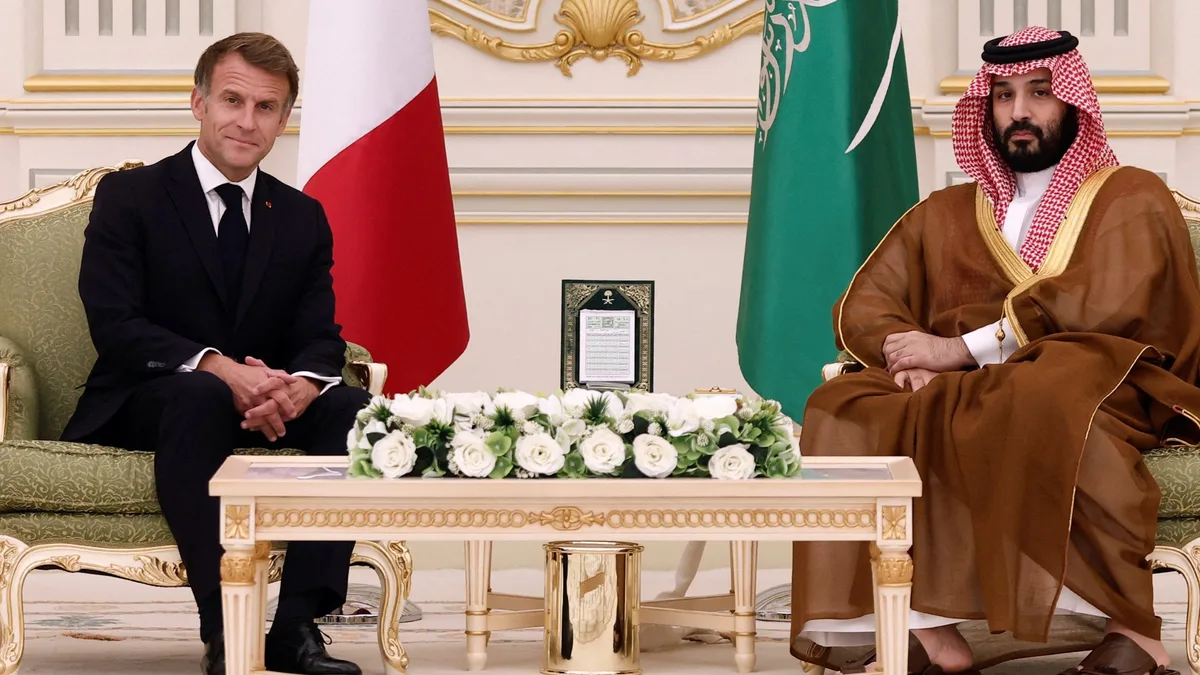
French President Emmanuel Macron flew to Riyadh without prior announcement on Wednesday, October 21, 2026, and agreed that Saudi Arabia will supply France with additional diesel. For Serbia, which imports its energy, this is not a distant story: the blockade of the Strait of Hormuz is keeping energy prices high across Europe, and that price is exactly what drives Macron to combine security support for Riyadh with fuel purchases on a single tour.
According to the Elysee Palace, Saudi Arabia will send France extra diesel “for as many months as needed.” Macron met Crown Prince Mohammed bin Salman at the Al Jamama palace and, according to an AFP reporter, spent less than three hours on the ground. The Saudi Press Agency says the leaders discussed regional and international developments and coordination on security.
How much diesel has France now been promised?
On the same Gulf tour, Paris secured other commitments too. According to figures released by the presidency and relayed by Al Jazeera:
- The United Arab Emirates committed to about 100,000 tonnes of diesel a month
- Bahrain is expected to deliver another 100,000 tonnes a month
- Qatar is providing two terawatt-hours of liquefied gas a month
Al Jazeera adds that, counting the Saudi shipments, France now has 295,000 tonnes of diesel a month promised, a little over ten percent of the country’s consumption. Sources differ on the details: Al Jazeera writes that the Bahraini volume is still being secured, while France 24 reports that Macron has already locked in an extra 200,000 tonnes a month from the Emirates and Bahrain. The Saudi part of the deliveries, according to available sources, is not given as a separate figure.
The two sides also agreed to hold consultations on wider security cooperation and on infrastructure that would bypass the blocked Strait of Hormuz.
Why is France backing Riyadh against the Houthis?
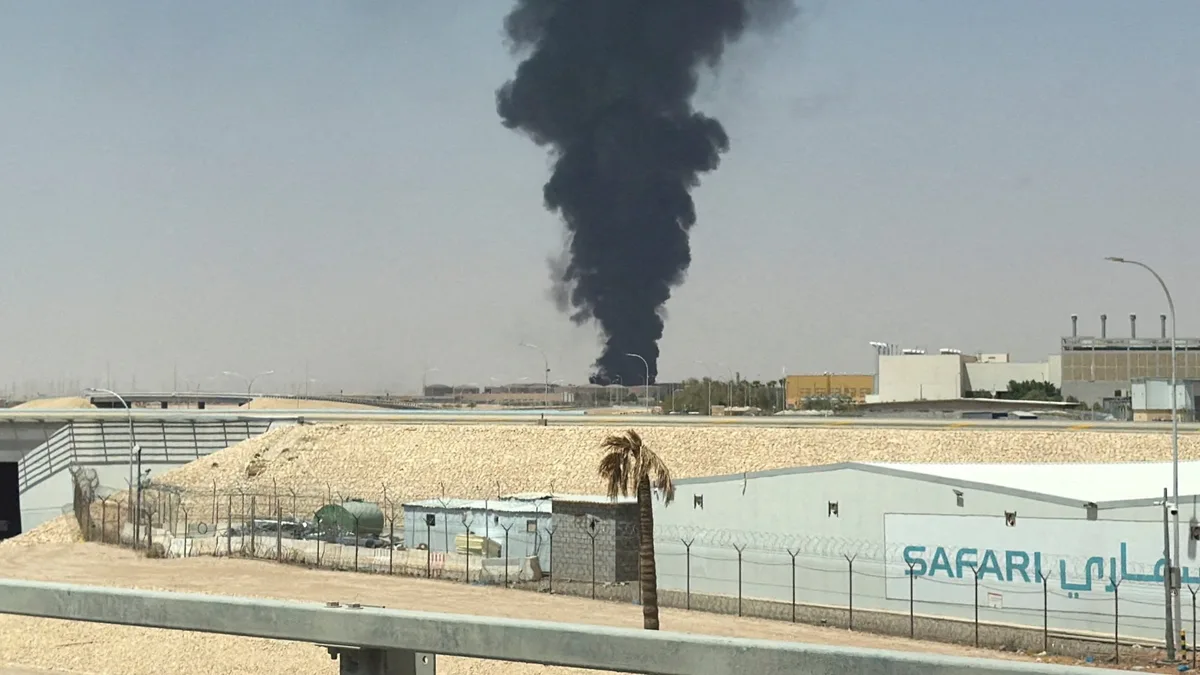
Earlier the same day in Doha, Macron said French personnel have been deployed for eight days in Yanbu, a Saudi oil terminal on the Red Sea that the Houthis have attacked. The Elysee described the aim of the visit as showing “France’s solidarity with the kingdom facing attacks” by the Houthis, while continuing efforts to secure and diversify hydrocarbon supplies.
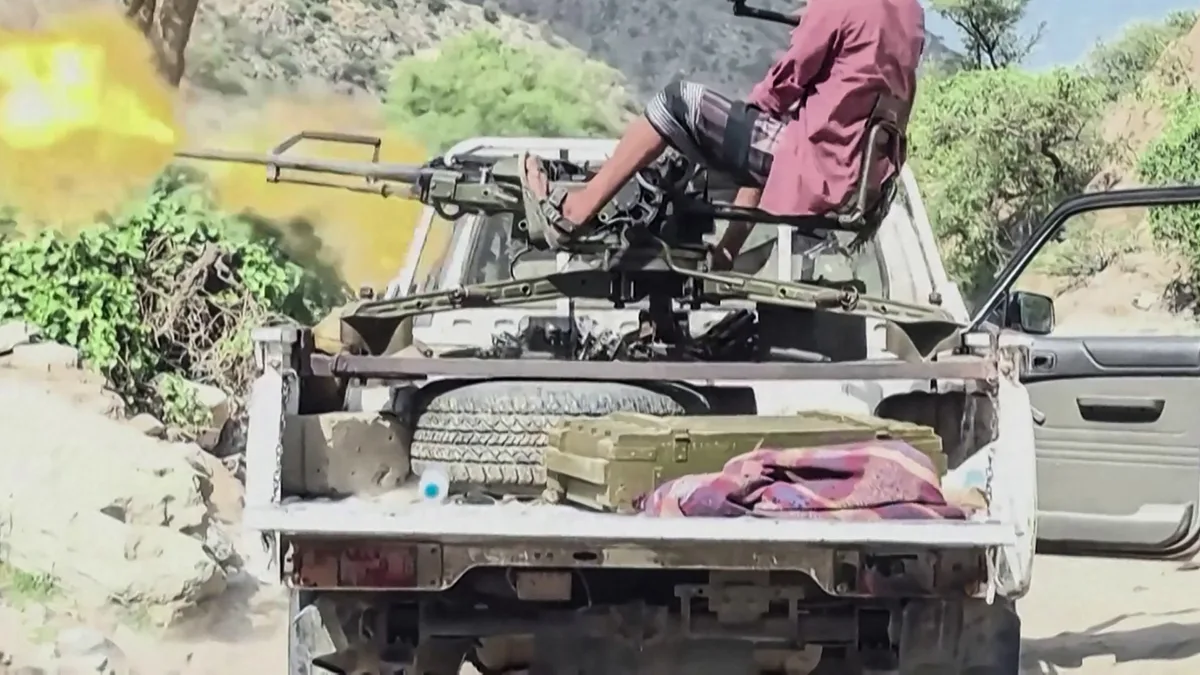
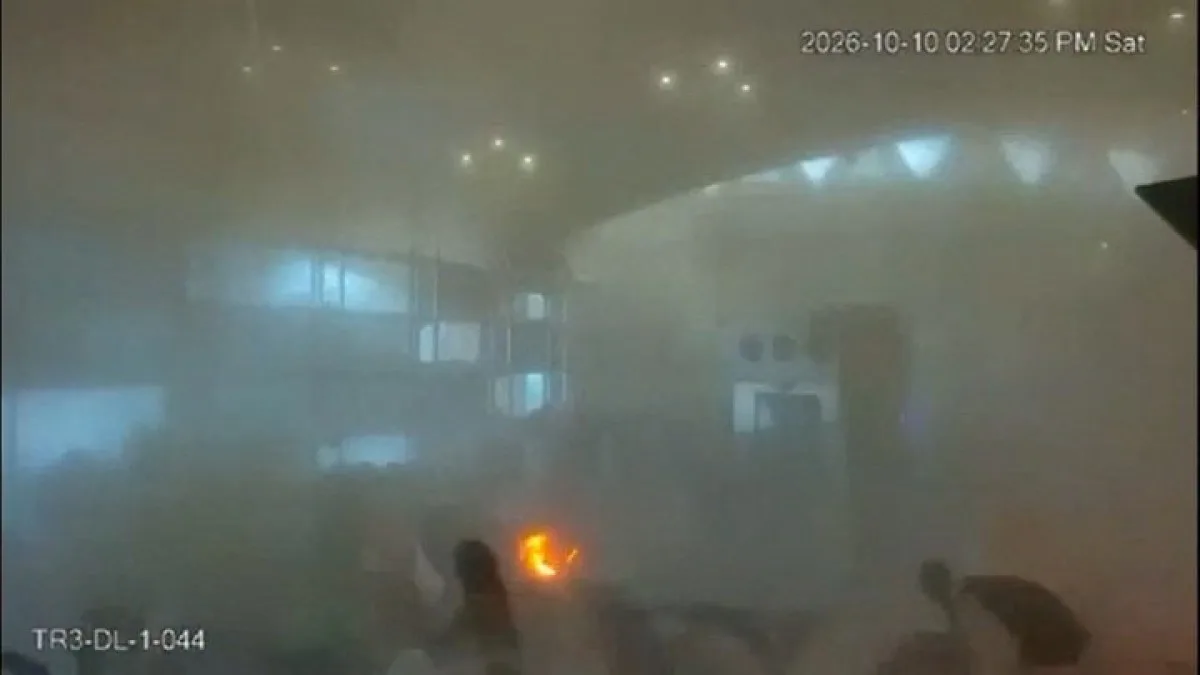
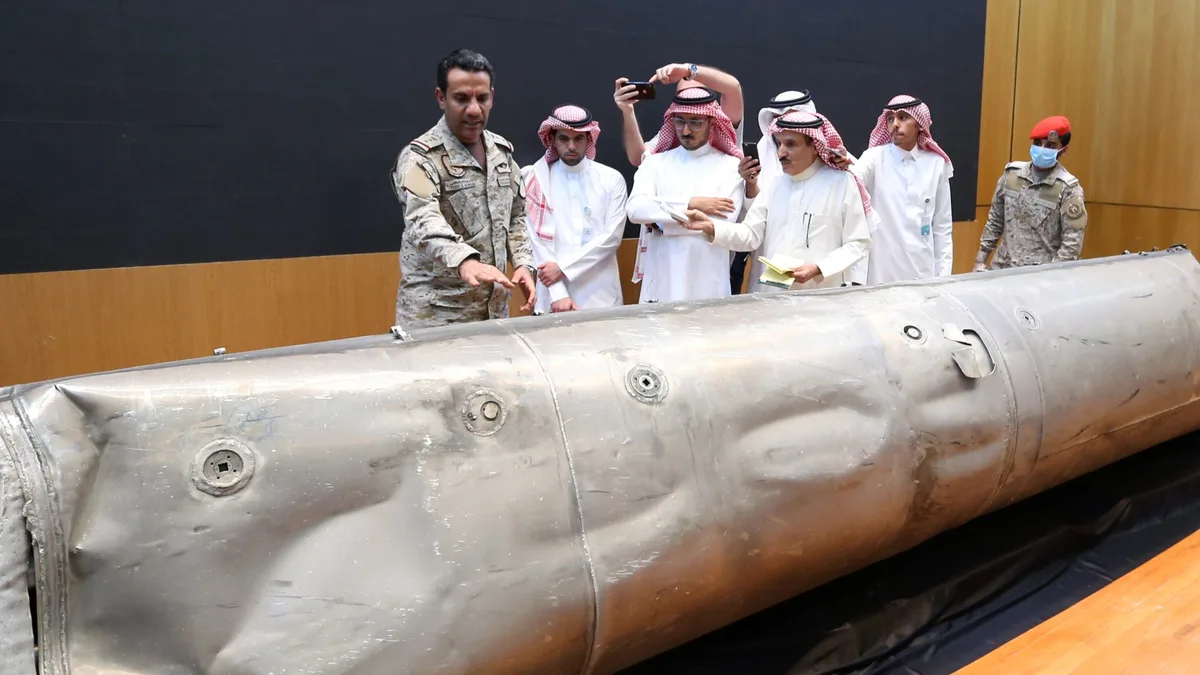
The backdrop is stark. According to France 24, the 2022 truce in Yemen collapsed in July, when the Houthis allowed an Iranian plane to land in Sanaa despite Saudi control of the airspace. They then declared a naval blockade of Saudi Arabia, and in September launched a major offensive in which they seized government-held territory along the Red Sea coast. The same source says the attacks have reached an unprecedented scale: Riyadh closed its main airport and postponed a major investment conference.
A day earlier, on Tuesday, October 20, the British government announced it would send fighter jets to help Saudi Arabia, as we have already reported. London and Paris insist their support is strictly defensive. Analysts cited by Al Jazeera judge that the moves protect Saudi oil exports that matter to European markets, but that the two European countries could be drawn into a prolonged conflict between Saudi Arabia and the Houthis.
How is Macron answering critics at home?
The tour comes after a weekend of violent protests in France over the cost of living. Faced with criticism of the trip, Macron told reporters in Doha that he is simply doing his job and trying to calm tensions over fuel prices, one of the causes of the unrest.
“I am fulfilling my role. I am where I should be,” he said, and added: “There must be no sign of nervousness.”