Trump on Iran strike: maybe tomorrow, maybe a deal
The US president won't say whether a decision has been made, Central Command has plans ready, and Iranian officials insist the war has changed everything.
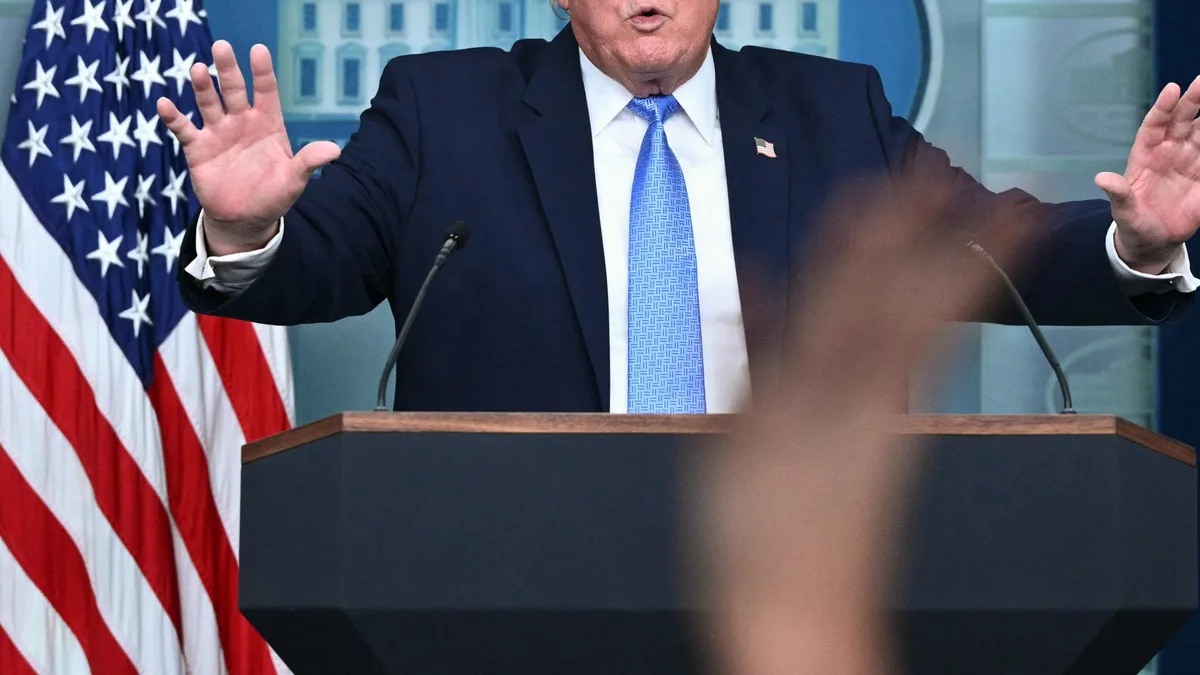
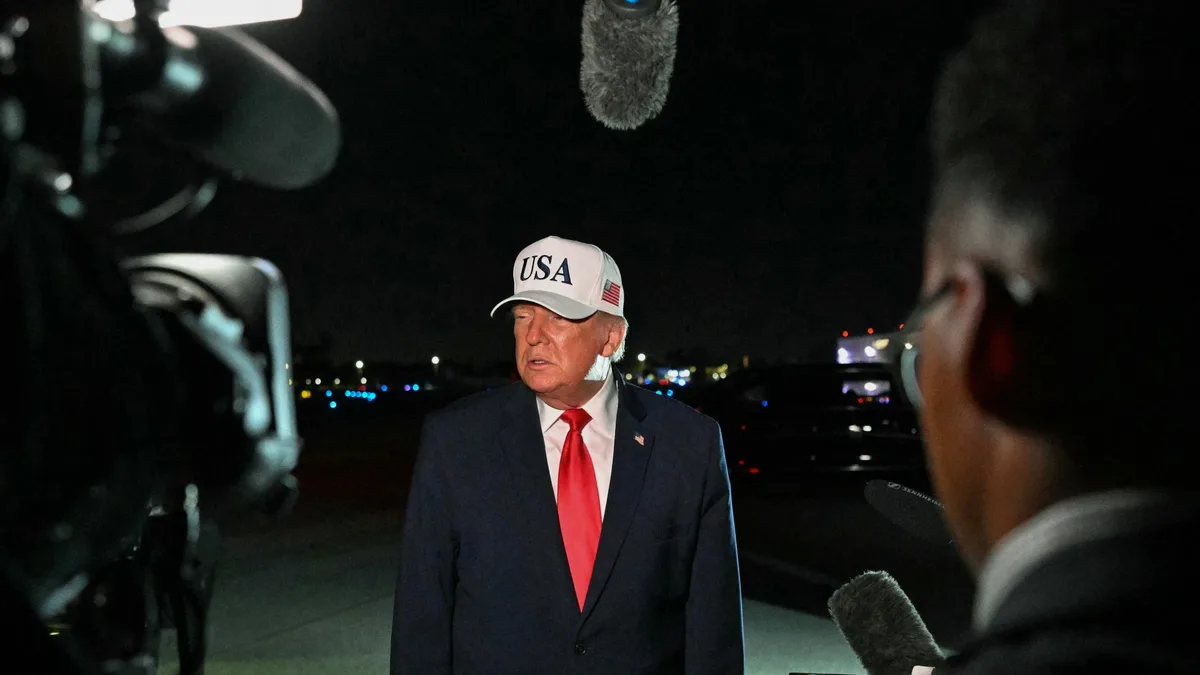
Donald Trump has not announced a decision on a new strike on Iran, but on Saturday, October 24, 2026, he put a timeframe on it for the first time: possibly as soon as tomorrow. Asked by a reporter how close he was to such a move, the US president kept his answer short.
“We’re thinking about doing it, and maybe tomorrow.”
He followed up at once: “Do you really think I’m going to tell you whether I’ll do it?” Iranian Foreign Minister Abbas Araghchi and Parliament Speaker Mohammad Bagher Ghalibaf responded on Sunday, October 25, so Washington and Tehran head into a new week with no clear answer on whether the war, which has run since February, will resume at full scale.
What exactly did Trump say about striking Iran?
Trump did not reveal whether a decision has been made and left both options open. A deal is still available to Iran, he said, with a caveat: “They want to make a deal, but the problem is whether they’ll stick to it.”
His goal, he says, is to stop Iran from ever developing a nuclear weapon, and by his account the earlier American attack with B-2 bombers would not be enough for a lasting result. “I have to make it permanent. That’s the only reason I’m doing this,” he said.
He closed with this:
“I may have to finish it, or maybe they’ll make a deal. But I’m not sure. Either way, we’re winning.”
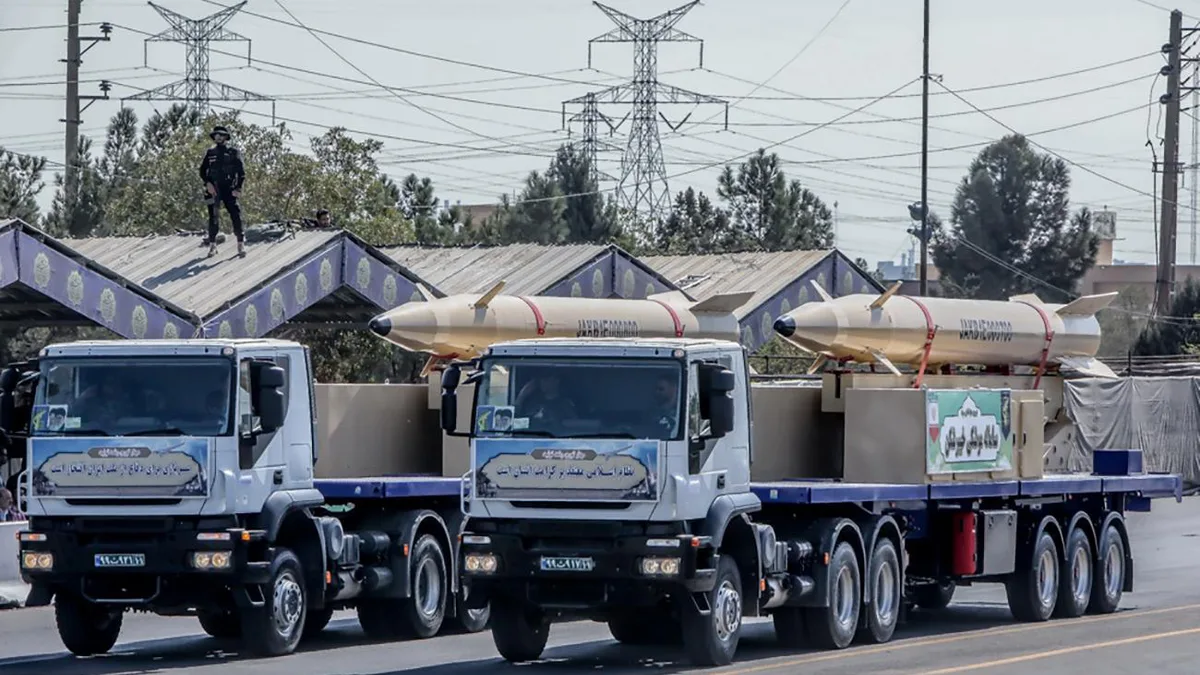
He also claimed that oil traffic through the Strait of Hormuz is higher than before the war began, without giving figures. According to data cited by Al Jazeera, October has been the worst month for shipping since the war started, with more than 120 reported attacks. We covered those attacks and the Iranian threats to bases on October 22 and 23, and the one-day timeframe is what is new this weekend.
A day earlier, at a rally on Friday, Trump said the US might “do another little Epic Fury.” That is the code name of the US-Israeli operation against Iran, launched on February 28.
What is known about Central Command’s plans?
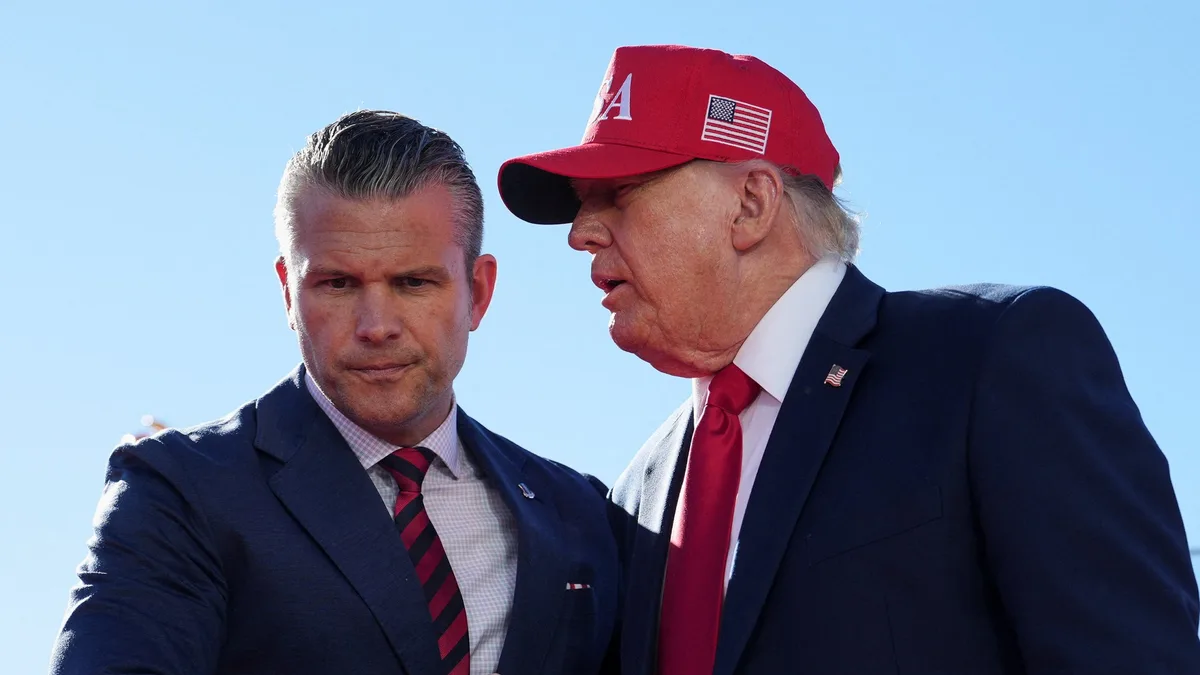
According to the American outlet The Hill, US Central Command (CENTCOM) has plans for new strikes ready, and several options have been prepared for Defense Secretary Pete Hegseth. The report, however, dealt with possible attacks after the US elections on November 3, not this weekend. Trump makes the final call, and preparations alone are not an order to attack.
The American presence in the region is growing at the same time. By the end of November the US is sending to the Middle East:
- the USS Theodore Roosevelt carrier strike group
- about 10,000 additional troops
- the 13th Marine Expeditionary Unit
Director of National Intelligence Jay Clayton sent a memo to Secretary of State Marco Rubio on Friday saying Iran has stepped up attempts to target American personnel. The State Department has cut staffing at several embassies in the region, and the published memo names no specific targets or timing for possible attacks.
Julie Norman of the London think tank Chatham House told Al Jazeera that the plans are both a short-term deterrence message and a real option for the post-election period. She added that the risk is high: “There is a very high risk of miscalculation from either side, a very high risk of rapid escalation.” Mohamad Elmasri, a professor at the Doha Institute, assessed that the next round of fighting could be more dangerous and more catastrophic than the last.
How is Tehran responding?
Araghchi said on Sunday:
“Whether there is war or not, our policy remains the same.”
He added that “the current war has changed everything.” President Masoud Pezeshkian accused Washington on Saturday of wrecking the talks. “We had negotiations, the cowards [the Americans] ruined everything,” he said in a statement broadcast on Saturday, though he added that efforts toward a deal should continue.
Ghalibaf, who is also Iran’s chief negotiator, addressed citizens with a message about gas consumption:
“To get through the coming winter, a nationwide effort is needed to cut gas consumption by at least 10 percent.”
On Sunday, according to the Tasnim agency, the Iranian military shot down an American LUCAS-type drone over Bandar Abbas. Revolutionary Guard spokesman Hossein Mohebi announced a change of doctrine on Wednesday: “Previously our defense doctrine was defensive; we said we would respond if a country attacked us. Now we say we will both respond and launch an offensive.”
Reuters, citing Iranian security officials, reports that Tehran has a plan to target undersea communication cables in the Gulf if attacks continue.
What is the political backdrop?
Trump is under pressure to avoid a new escalation before the American elections. Israeli Prime Minister Benjamin Netanyahu, on the other hand, is advocating an attack ahead of the Israeli election on Tuesday, October 27, and keeps repeating that toppling the government in Tehran is Israel’s main goal.