

Pozega Valley: 35 Years Since 26 Villages Were Evacuated
Veritas says 71 Serbs were killed during the 1991 evacuation of Pozega Valley villages and the attacks that followed, and that no one has been prosecuted.
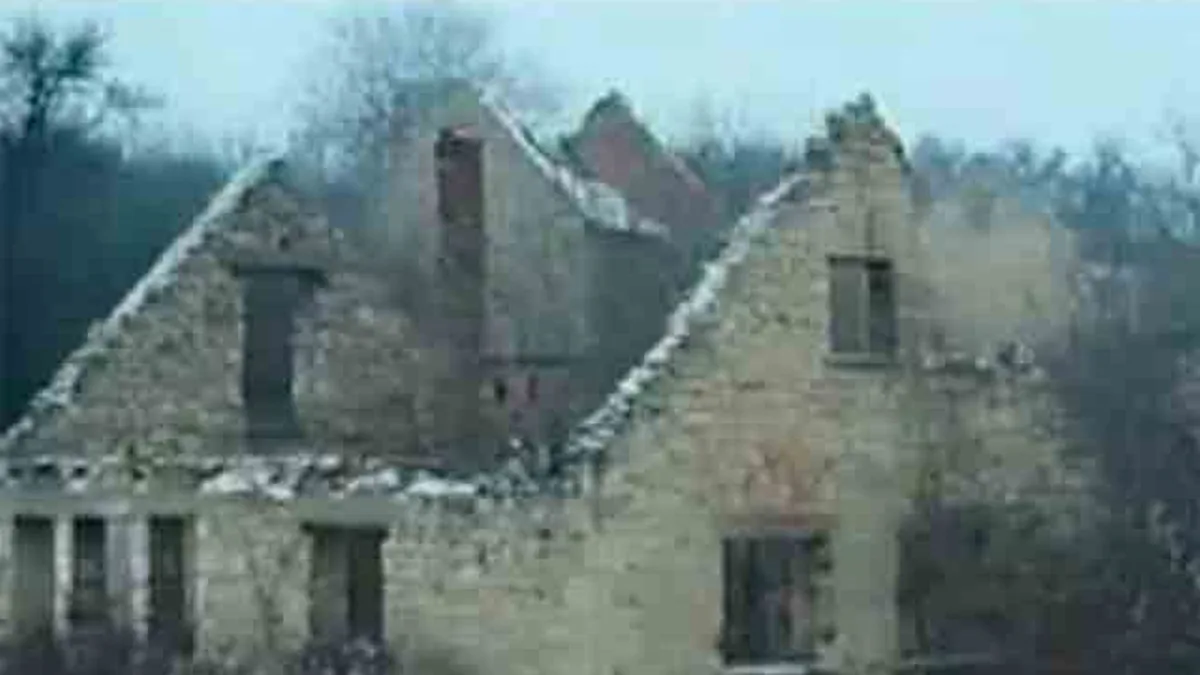
The Veritas Documentation and Information Centre said, on the 35th anniversary of the evacuation of Serbs from 26 villages in the Pozega Valley in Croatia, that no one has been prosecuted to this day for the expulsions and killings of that period. Most of those expelled reached Serbia by way of Bosnia and Herzegovina, or went to eastern Slavonia, so the anniversary also concerns refugee families living in Serbia.
What was ordered on October 29, 1991?
According to reports by Srna and RTRS, the evacuation order was signed by Ante Bagaric, head of the Crisis Staff of the Slavonska Pozega municipality, and its implementation began at noon on October 29, 1991. It was carried out by members of Croatian civil protection and police, and residents were given 48 hours to leave.
The sources disagree on the date. In a statement carried by N1 and the Beta agency, Veritas says the Crisis Staff made the decision on forced evacuation on October 28, “in order to protect the lives of citizens” and to allow “more effective defense of the positions of Croatian forces against the actions of the JNA and local Serb units,” as the statement puts it. Srna and RTRS, by contrast, tie both the signing of the order and the start of its execution to October 29. None of the three reports explains whether these were two separate acts or different dating of the same one.
The villages covered by the order had 2,120 residents, according to the 1991 census. Veritas describes what happened to them:
“According to the official 1991 census, 2,120 people lived in those villages. Most residents complied with the order and left their homes, with some finding temporary accommodation with relatives in nearby places, while a smaller number headed for locations that the Croatian authorities had designated as collection centers.”
What happened after the residents left?
Veritas says residents were promised during the evacuation that they would find everything as they left it when they returned. According to the centre, Croatian forces began systematically burning and destroying residential and auxiliary buildings immediately after the departure, even though civilians had been guaranteed that their property would be protected. Those who stayed behind also died:
“Elderly and infirm residents, who for health reasons or by personal choice did not leave their villages, perished inside their homes during these operations.”
Srna and RTRS also report that Croatian and international audiences were fed the claim that the Serbs themselves looted and set fire to the villages as they withdrew, so that the villages would not fall into Croatian hands. Most of the refugees headed for Bosnia and Herzegovina, which was not yet engulfed in war, and from there to Serbia or to eastern Slavonia, which was controlled by local Serbs.
What happened in the three villages that refused the order?
Gornji Vrhovci, Vucjak Cecavski and Snjegavic refused to carry out the evacuation order. Territorial Defense units were formed there and village guards were organized, and a smaller number of residents from other villages took shelter in them as well. Veritas describes the attack on those villages this way:
“At dawn on December 10, 1991, the 121st Brigade of the Croatian Army from Nova Gradiska and the 123rd Brigade from Slavonska Pozega launched a military attack on these three villages. After Croatian forces entered, the population and local guards withdrew toward Bosnia and Herzegovina. During this military operation and the search of the terrain in the villages named and several neighboring ones, 71 persons of Serb nationality were killed, including 34 women.”
Srna and RTRS add that, according to still incomplete Veritas data, 42 of those killed were over 60, and that the villages, by their account, fell without resistance. Veritas also says members of the Croatian Army looted and destroyed 616 residential and 590 auxiliary or commercial buildings after the operation, leaving 1,492 people homeless.
What is known about the mass grave and the missing?
In December 2000, the remains of 13 people were exhumed from a mass grave in Snjegavic, 11 of whom were identified as prewar residents of Snjegavic and Vucjak Cecavski. Families have so far located, identified and buried 27 victims of these events, while 44 people are still listed as missing.
Who answered for the expulsions and killings?
Veritas holds that the existence of an official written order from a local authority on relocating the population makes this case “one of the rare documented precedents of its kind in modern European history.” In the same statement, it writes:
“Despite material evidence, the fact that 23 villages were completely wiped off the map, and reports submitted to the competent judicial bodies, no one has been prosecuted to date, before either international or domestic courts, for the forced displacement and crimes in the Pozega Valley.”
The village count is not consistent in the N1 report: the text opens with the evacuation of 26 villages, while the quoted statement speaks of 23 villages wiped off the map, with no explanation for the difference. Srna and RTRS put the outcome more briefly: no one has answered for the crime and the ethnic cleansing of Serbs carried out under a written order of a Croatian state body. The claims about the number of victims, destroyed buildings and missing persons come solely from the Veritas statement and, as the centre itself stresses, are based on data that are still incomplete.


