Serbedzija: Velebit Raised Me, My Lika Raised Me
Actor Rade Serbedzija, born in the village of Bunic in Lika, has spoken publicly for the first time about his roots and the problems facing the region, as Zagreb fights over Gospic's future.

The story of Lika, the region that lost a large Serb community when it fled ahead of Operation Storm in 1995, is getting an unexpected new voice these days. Actor Rade Serbedzija, born in the village of Bunic near Korenica, has spoken publicly about his origins and about why he still feels compelled to speak up for the region’s fate, even though he has lived outside Croatia for decades. For Serb audiences his words carry an extra weight: he is a man who openly describes himself as a Serb from Croatia, and he has spoken out at a moment when Zagreb is in the middle of a public fight over the future of Gospic, a city that had a sizable Serb community before the war.
Serbedzija appeared on the show “Briefing,” where he talked about his childhood and his relationship with Lika. Responding to nationalists, he said: “I am a Serb from Croatia, a Serb from Lika, and that is my answer to these nationalists.” He followed with a line that has traveled across the region over the past few days: “Velebit gave birth to me, the Krbava Field gave birth to me, these forests gave birth to me, my Lika gave birth to me.”
His family left Bunic when Serbedzija was only a year old. His father’s job took them first to Slunj, then to Vinkovci, but every summer the family went back to Lika, to stay with his grandparents. He says he did not see the sea until he was 14: “I saw the sea for the first time when I was 14.” He remembers the horses he grew up around, herding sheep and cattle in the mountains with his grandfather, and walking with his mother over the hills to Korenica.
In the same interview, the actor also addressed the consequences of the war, the exodus of the Serb population, and how few people have returned to the areas they left during Operation Storm. In his view, that part of Croatia has been unfairly neglected, left without any policy that would let those people come back and rebuild.
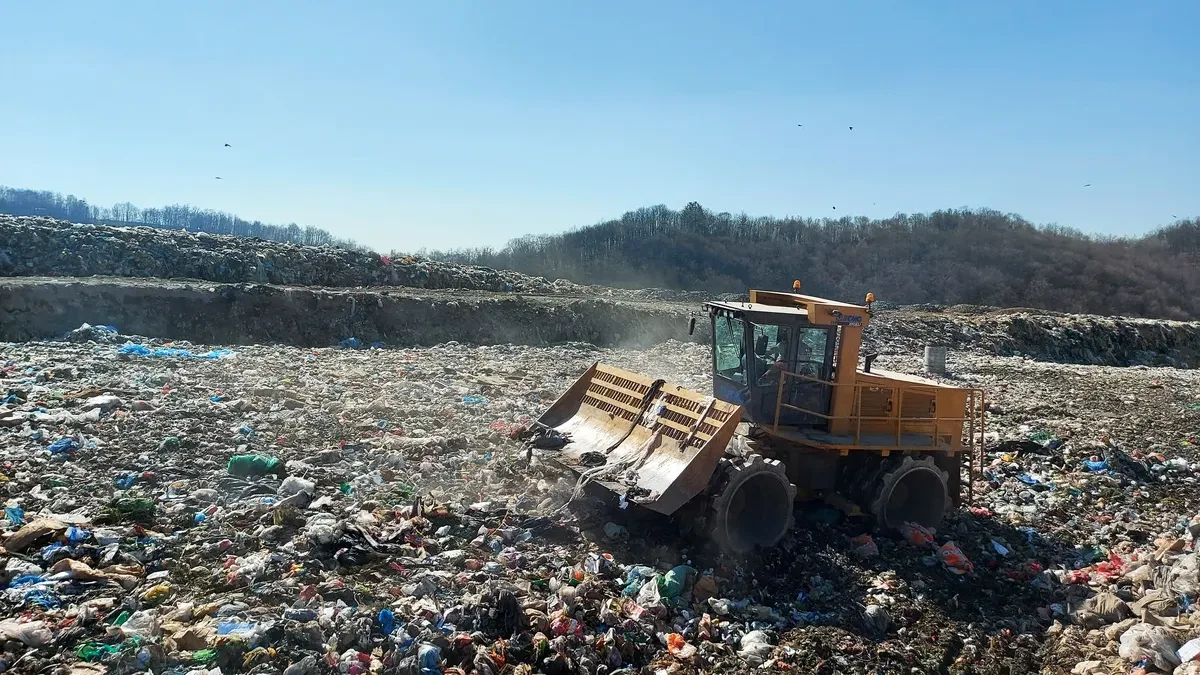
Serbedzija’s comments come as Zagreb has just seen a protest called “Walk for Lika, Walk for Croatia,” a continuation of the civic initiative “Gospic Is Our Home.” The initiative is fighting illegally dumped waste and a planned lithium plant in the Smiljan Field, and Serbedzija is one of more than 200 public figures and associations who have publicly backed it. Our paper previously reported that the first such gathering in Zagreb drew as many as 33,000 people, and that the government was given a 20 day deadline to respond to the demands coming out of Gospic.
On the waste problem, which organizers estimate at several tens of thousands of tons, Serbedzija did not mince words: “I refuse to believe people did this for money, because that would be a crime that has to be punished.” With that, he also drew a line around his own involvement, insisting that the responsibility has to fall on those who made the decisions, not on the local residents who are living with the consequences.
For the actor, Lika is not just his birthplace but a resource that, in his assessment, Croatia has neither used nor protected well enough. “Lika is a resource of clean air and water, and one day this world will be thirsty for clean water,” he said, adding that tourism and nature preservation could have brought the region far more attention than it has received.
The Gospic story is still unfolding, and the deadline the government was given by the protest organizers runs out in the coming weeks. Whether an answer arrives, and whether more names like Serbedzija’s will join the push, remains an open question for the next round of pressure out of Zagreb.