Putin: European troops in Ukraine are legitimate targets
US envoys spoke with Putin in the Kremlin for about two hours, and he repeated that European units in Ukraine after a ceasefire would be a target. Dublin is next.
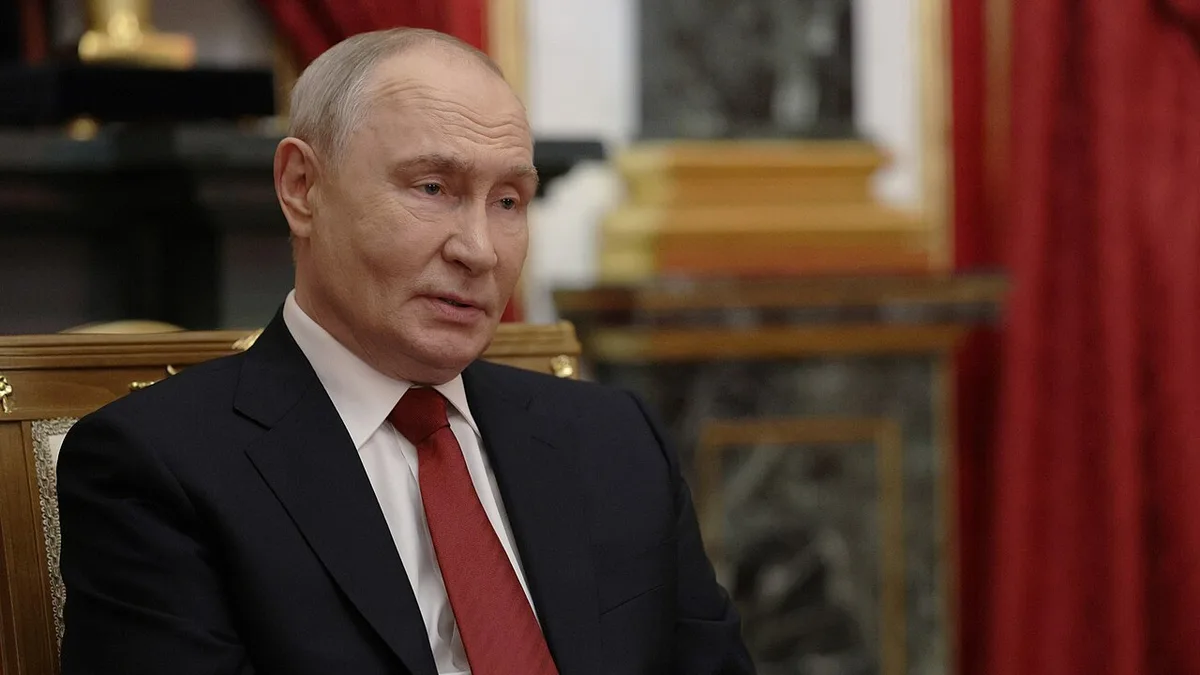
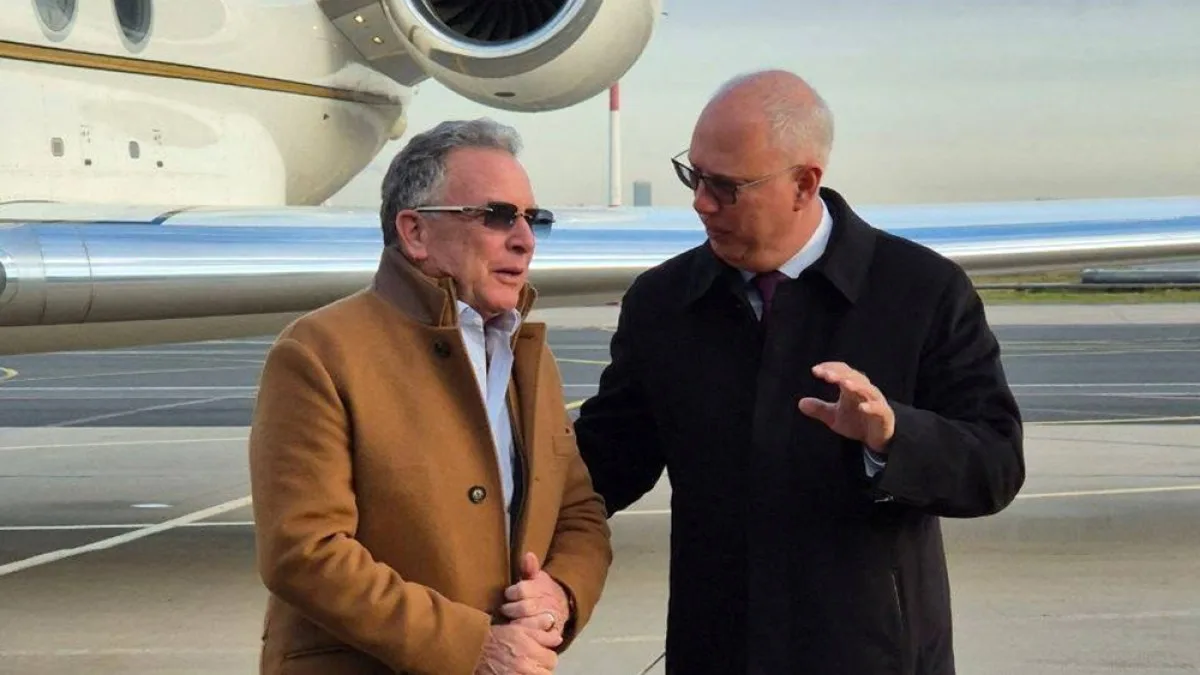
Vladimir Putin spoke for about two hours in the Kremlin on Thursday, November 12, with US envoys Steve Witkoff and Jared Kushner. After the meeting he repeated that Russia would treat European troops sent to Ukraine after a ceasefire as a legitimate target. The envoys flew from Moscow straight to Dublin, where they are meeting Ukrainian President Volodymyr Zelensky.
The Kremlin meeting follows two days of talks in Abu Dhabi that ended on Wednesday, which we covered earlier. They were the first direct contacts between Russian and Ukrainian delegations in nine months, and apart from an agreement to exchange a larger number of prisoners, whose exact size was not disclosed, there was little progress. In Moscow, Kushner said the delegations agreed on many principles but remain far apart on some ways of reaching peace.
What did Putin tell the envoys?
According to agency reports, Putin told his American guests that the arrival of European units in Ukraine after a ceasefire would be completely unacceptable, and that Russia would see it as a threat to its security. He finished with a sentence carried by the AP:
“In other words, the war would immediately resume.”
The Russian president also repeated that Moscow regards the four regions it annexed in 2022 as the border with Ukraine in any future agreement, even though it has never fully captured them.
According to Interfax, Putin also proposed a joint Russian-Ukrainian humanitarian mission for Konstantinovka, modeled on the arrangement for Oleshki. Russia needs five days to clear the area of mines, he said, and some 400 to 500 civilians remain in the city.
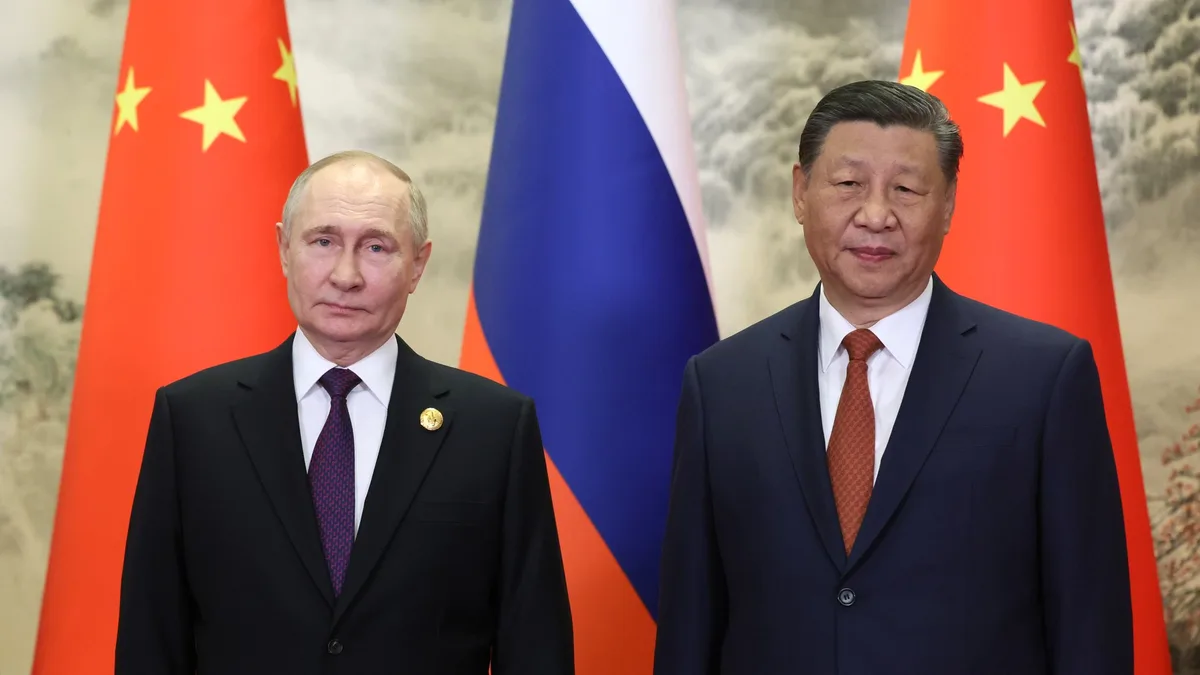
Yuri Ushakov, Putin’s foreign policy adviser, described the talks as useful after the meeting. He said the American side supported the humanitarian mission proposal and that Putin will discuss Ukraine with Donald Trump at the APEC summit in China at the end of the month.
Why does the Kremlin not want Europe at the table?
Kushner explained that one goal of the visit was to get Putin to approve European participation in talks on wider security arrangements on the continent. Washington and Zelensky want Europe to name one person to negotiate with Moscow. Russia, for its part, does not want European states in direct negotiations, because it accuses them of financing and arming the Ukrainian military.
Kremlin spokesman Dmitry Peskov said Europe must first name its representative, and only then can it enter the talks:
“The Europeans are squabbling like spiders in a jar. If anyone takes the initiative to establish contact with the Russian side, such people face ostracism.”
Witkoff said after the meeting that it would, as he put it, “be possible to announce a new round of trilateral talks in which the Europeans would also take part.” That announces something Moscow has so far refused, but neither a date nor a lineup has been given.
A gathering of representatives of more than 40 European countries is under way in Dublin, attended by NATO Secretary General Mark Rutte. He says the US, Europe and Ukraine are “very aligned” on what security guarantees should look like, following a meeting in Paris in January, but adds:
“But now, of course, we need a peace agreement, or at least a ceasefire.”
European Council President Antonio Costa told the same gathering that the coming week will be a “decisive test of Russia’s readiness to stop this war.” On Wednesday evening in Dublin, Zelensky called the prisoner exchange a positive step, but repeated that Ukraine will not hand over occupied territory in exchange for peace. In his view, a window of opportunity could be opened by political change: the Democrats taking over Congress in January after the midterm elections, and the vote in France next year.
“The political landscape in Europe could change in 2027. We also see that changes are already happening in the United States,” Zelensky said.
How did Ukraine greet the day of the meeting?
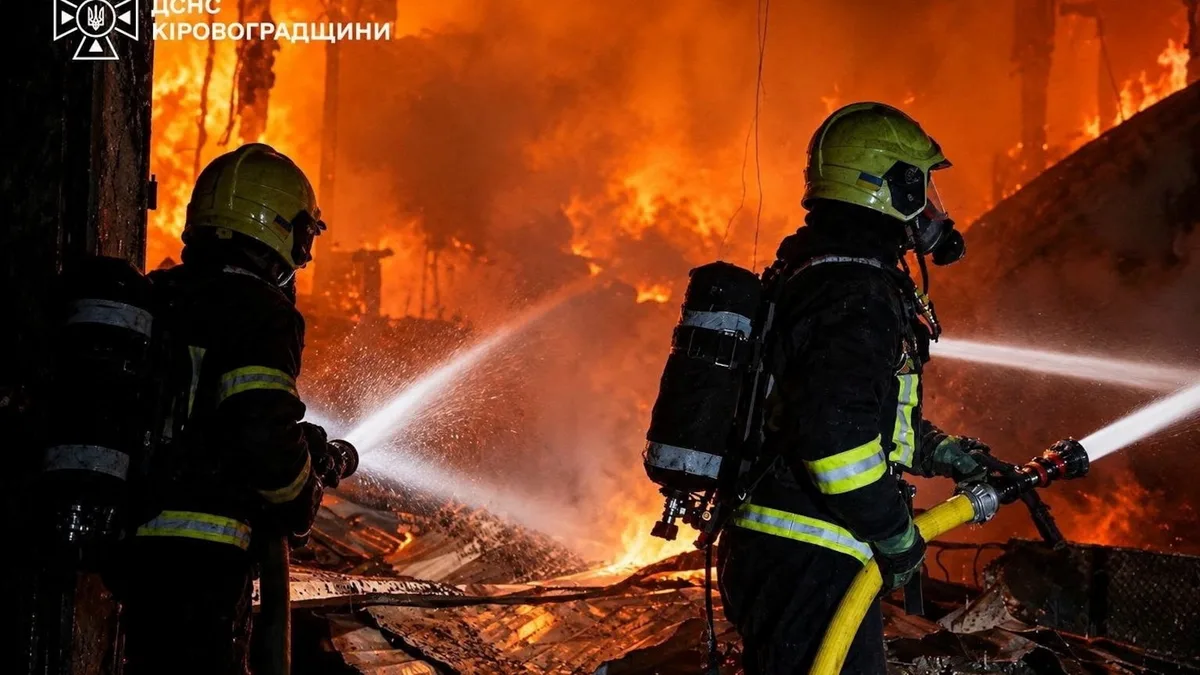
Overnight before the meeting, Russia fired missiles and 123 drones at Ukraine, 73 of them jet-powered, the Ukrainian air force said, with hits on 17 locations. In Kyiv, a drone hit a nine-story building in the Solomyansky district and started a fire, Mayor Vitali Klitschko said. One woman was killed and five people were injured. Deputy Energy Minister Artem Nekrasov reported that nine regions were left without electricity.
The Russian Defense Ministry said it shot down 71 Ukrainian drones and hit military plants and energy facilities. Reports differ on the target in the capital: one names a drone factory, another a missile factory, along with rocket fuel facilities and drone parts plants around Kyiv. Moscow Mayor Sergei Sobyanin said air defenses shot down five drones flying toward the Russian capital.
Zelensky warned at the same time that Ukraine is again suffering a slowdown of the American Starshield system, the military version of Starlink, and that military units have recorded “significant interference,” including a cap on the speed of Ukrainian drones at about 160 kilometers per hour. A military investigation, he said, found that the restrictions are not accidental errors. If someone in America decides to treat Ukrainian territory as if it were not Ukrainian, he said, “that tells us where things are heading.”
On the Russian side, a Russian serviceman was killed early Thursday in Saint Petersburg when his vehicle exploded, the Investigative Committee of Russia said, without naming the victim or who was behind the blast. The Fontanka outlet reports that the victim was a colonel and that the car bomb was triggered as soon as he set off.