Hormuz tanker hit, Iran says supertanker sank
The Guard reports mines and a supertanker with over two million barrels sinking; UKMTO confirms a projectile hit on another ship. No independent confirmation of a sinking.
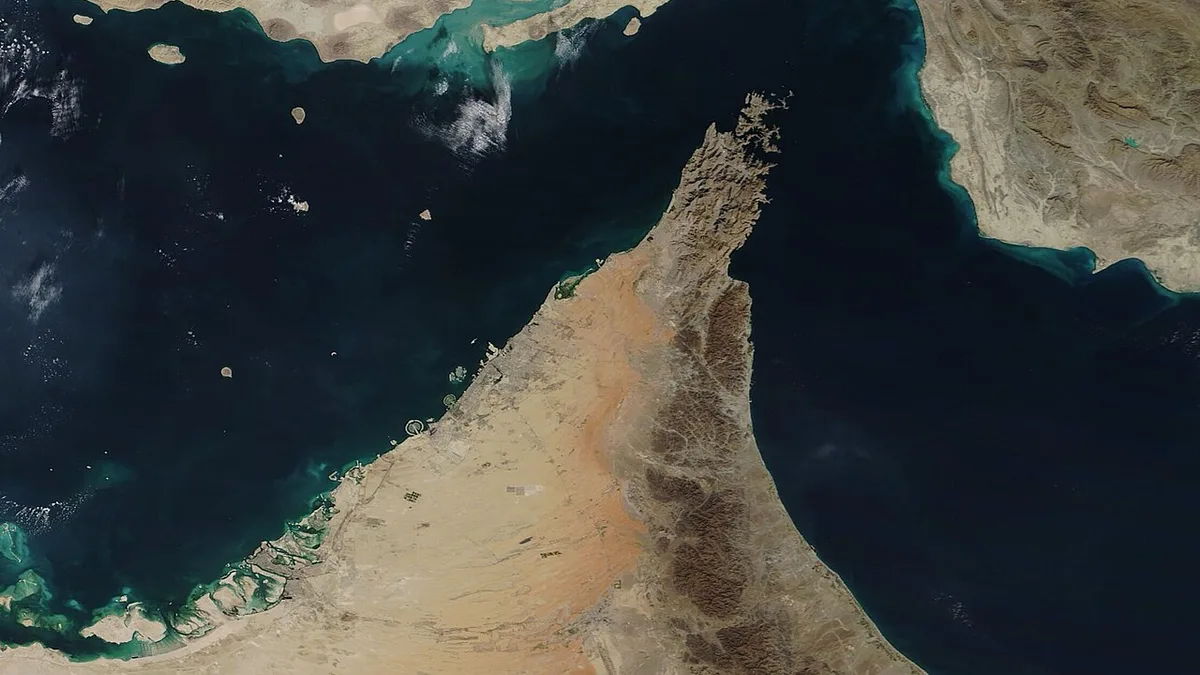
Brent, the benchmark crude price that also drives fuel prices at Serbian gas stations, is holding just above $95 a barrel, and the reason is a new wave of attacks on tankers in the Strait of Hormuz. Iran’s Revolutionary Guard claims a supertanker sank on Sunday, November 15, after hitting a naval mine, while the British maritime service UKMTO confirmed on Monday morning that a second tanker leaving the strait was struck by an unknown projectile.
The two claims sit side by side, but they have not been confirmed as the same incident, and that is where the line has to be drawn between what is confirmed and what has merely been announced.
What does the Iranian Revolutionary Guard claim?
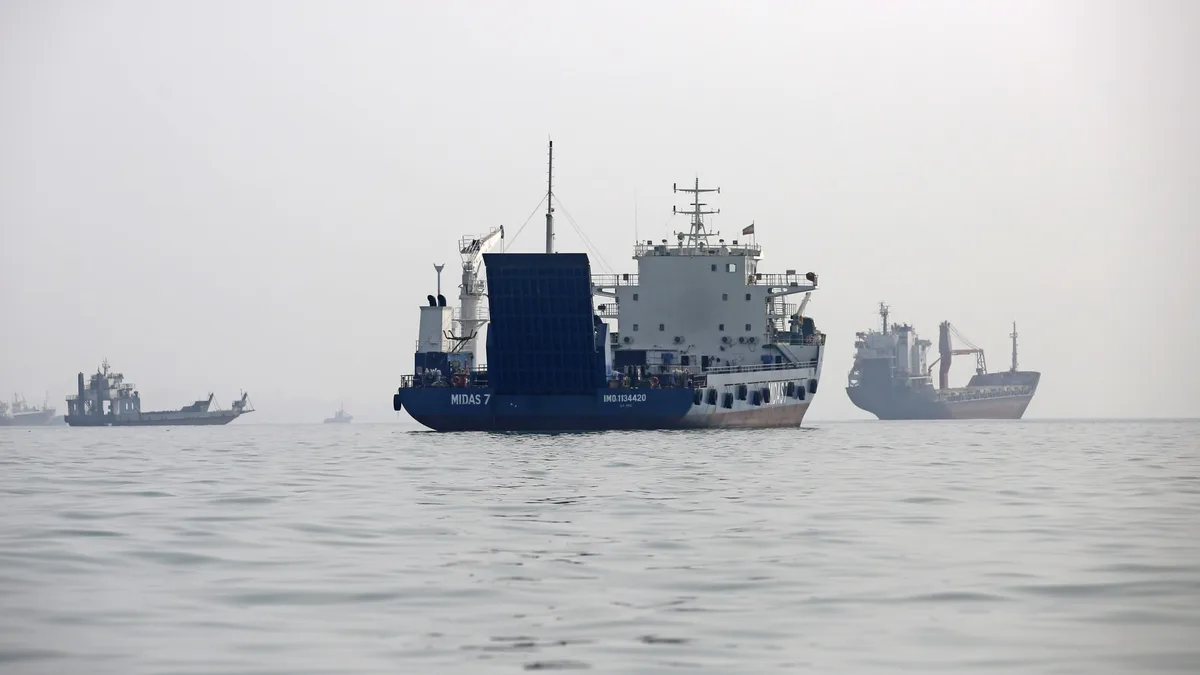
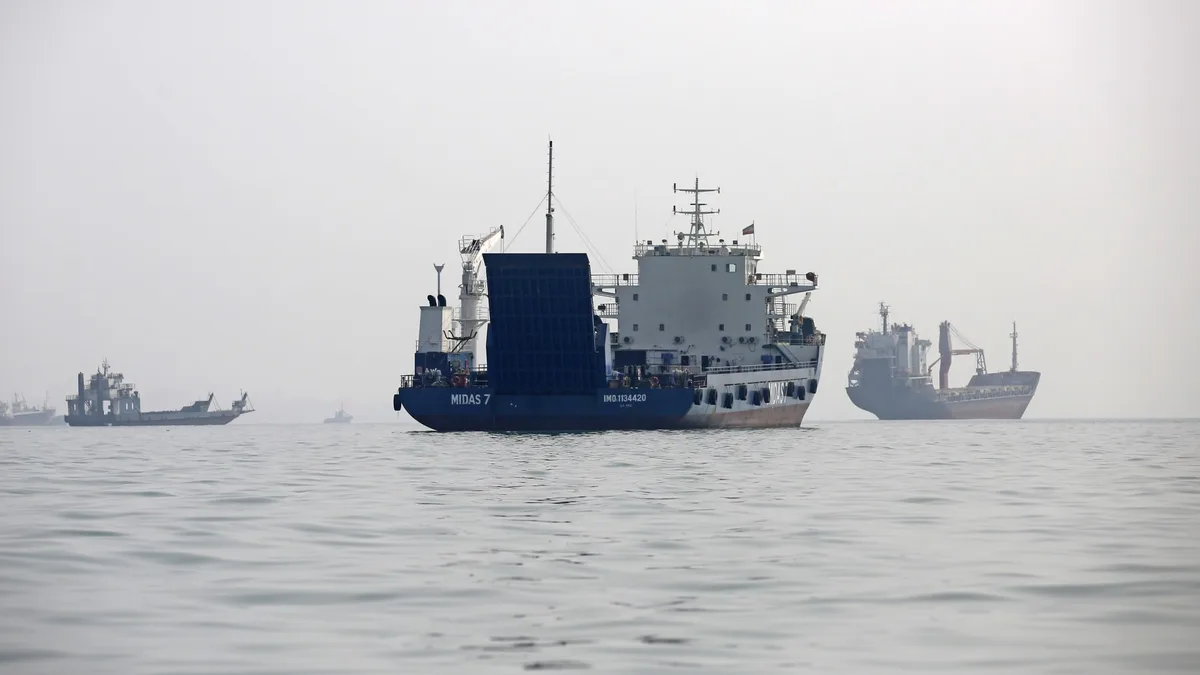
On Sunday afternoon the Guard said two oil tankers hit naval mines and caught fire in the southern part of the strait. According to its account:
- one of the ships was a supertanker carrying more than two million barrels of crude and sank in the southern part of the Persian Gulf
- the other tanker was left burning
- the ships were using a route Iran had not approved, switched off their identification and position systems, and tried to pass with the backing of the US military
The Guard did not name the ships or give any details about the crews. It also released footage of flames and smoke over the sea, but no tanker is visible in it, and it is not known where or when it was filmed. The Guard’s navy wrote in a post on X:
“The violating tanker carrying more than two million barrels of oil sank after a powerful explosion.”
In the same statement Tehran told other ships what to expect. The Guard’s navy said:
“Any ship that violates the rules Iran has set for the Strait of Hormuz will face a similar fate.”
The Iranian state agency IRNA cites even more cases: five tankers hit mines and caught fire within 48 hours, two in the southern part of the strait off the coast of Oman and three in the central and eastern parts. The Iranian navy separately announced that another tanker caught fire after hitting a mine east of the strait.
What does UKMTO confirm, and what has no one independently confirmed?
On Sunday, citing Indian maritime authorities, UKMTO reported that a tanker sailing through the Persian Gulf toward Hormuz had been attacked. The crew is safe, the damage is unknown, and it is unclear whether this is the same ship Iran is talking about.
On Monday, November 16, at 05:58 GMT, UKMTO reported a new case: a tanker leaving the Strait of Hormuz was hit by an unknown projectile, a fire broke out in the engine room, there were no injuries and the whole crew is safe. The report was filed by the company’s security officer, and the authorities have opened an investigation. In its statement the service said:
“The assessment of damage and environmental impact is currently unknown.”
The same day UKMTO also reported a suspicious incident about 430 nautical miles east of Yemen’s island of Socotra: a possible mothership and a boat carrying four armed people and a visible ladder approached a tanker.
No independent party has confirmed a mine strike or the sinking of a supertanker. The Israeli outlet Ynet notes that Tehran has repeatedly claimed in recent days that tankers hit mines on unapproved routes, and adds that there are serious doubts about those claims, including the suspicion that Iranian forces themselves are targeting ships with projectiles or drones.
Why is the strait back in focus?
Iran closed the Strait of Hormuz again on July 12, after new US strikes, and Tehran warns it will target ships that use routes it has not designated or try to pass without its permission. The US Central Command (CENTCOM) has enforced a blockade since July 14 on ships entering or leaving Iranian ports: by November 7 it had redirected 147 merchant vessels and disabled five.
Figures from the International Maritime Organization (IMO) show the scale: from the end of February to November 11, 136 incidents involving ships were recorded in the region, with 25 crew members killed. October alone accounted for 35 of them, 18 in the strait itself. According to the company Windward, only nine ships passed through the strait on Friday, five inbound and four outbound, all with their signals switched off. Before the war, in February, the average was 129 ships a day.
We previously reported that the Guard claims it targeted a US radar in Bahrain. CENTCOM rejected that: according to its statement, Iranian forces launched two drones toward Bahrain, both were shot down, and there were no injuries or damage.
A US reinforcement in the region is not confirmed either. According to the American newspaper The New York Times, citing an unnamed military official, the aircraft carrier USS Theodore Roosevelt is expected to join two carriers in the region within a day, which would bring the total to three. The Pentagon and CENTCOM have not confirmed the deployment.
For now, the only things known are what UKMTO and the maritime authorities’ reports have confirmed: that ships were attacked, that the crews are safe and that the damage is being assessed. Whether any of the ships sank, and what struck them, remains unverified.