Kosarac Says Bosnia's Council of Ministers Will Stall
Deputy chair Stasa Kosarac says there is no point scheduling Council of Ministers sessions until the Constitutional Court of Bosnia withdraws its latest rulings.
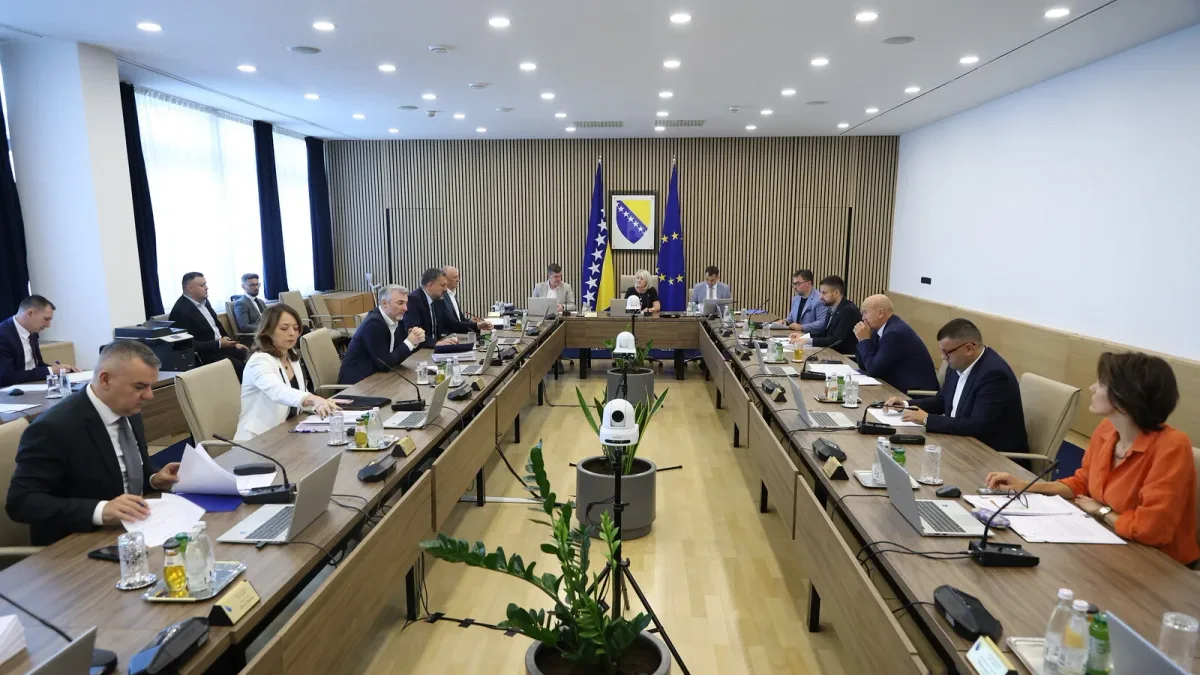
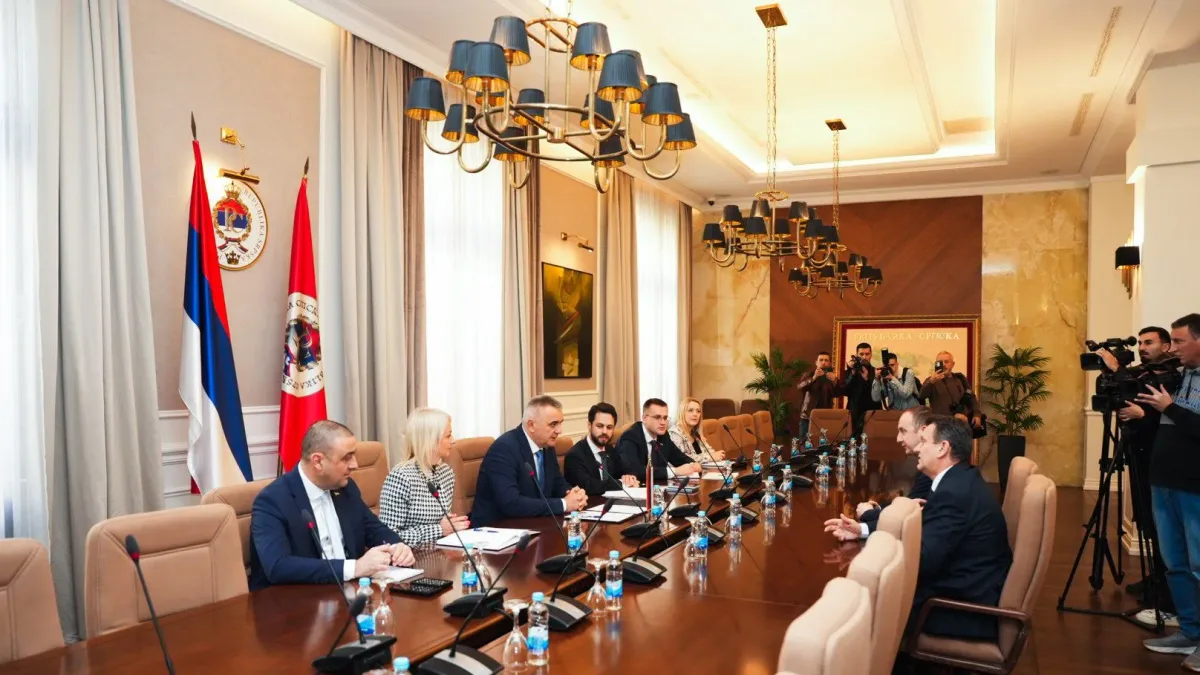
The Council of Ministers of Bosnia and Herzegovina is due to meet on Tuesday, November 24, but deputy chair Stasa Kosarac says business as usual is off the table. The dispute concerns the constitutional position of Republika Srpska, the entity along the Drina river, right next door to Serbia. On November 23, Kosarac said there is no point scheduling sessions of the body until the consequences of the Constitutional Court of Bosnia’s rulings are undone. The statement was carried by the news agency Srna.
Which Constitutional Court rulings are in dispute?
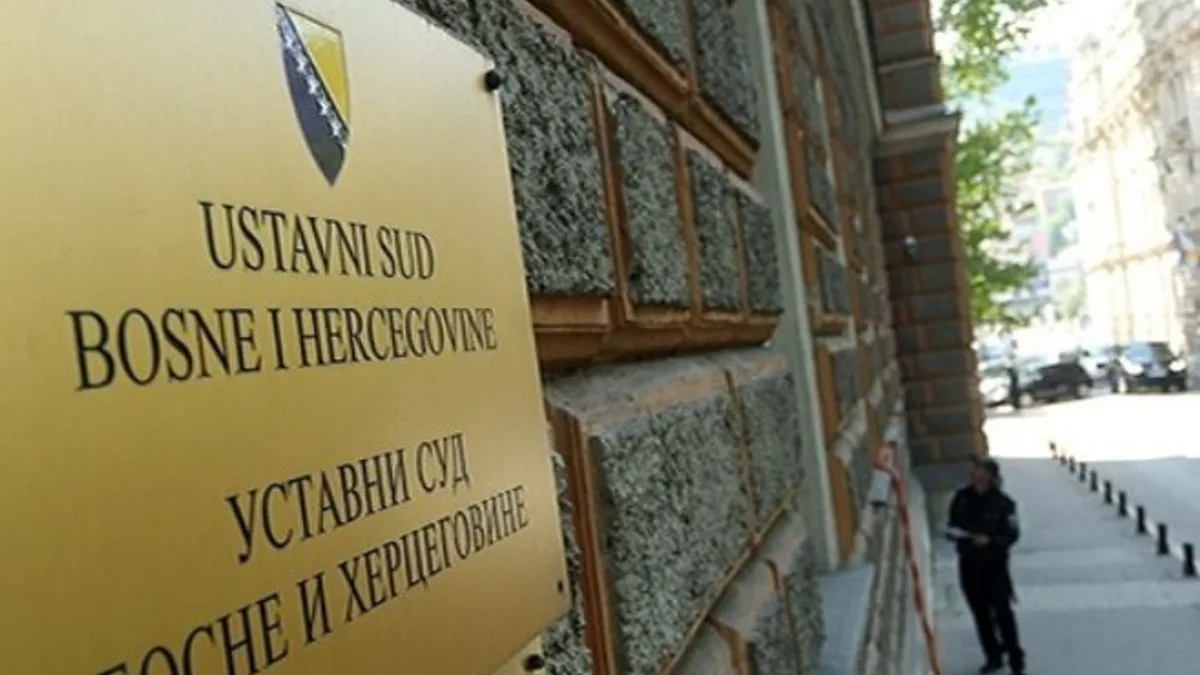
There are two. The first annulled a declaration by Zeljka Cvijanovic, the Serb member of the Bosnian Presidency, that a vital interest of Republika Srpska had been violated, filed over the appointment of the Commission for the Preservation of National Monuments. The second declared unconstitutional a provision of the Republika Srpska Criminal Code that punishes displaying symbols of the Army of the Republic of Bosnia and Herzegovina. We covered that ruling on November 20, in our report on the lifting of the ban on Army of the Republic of Bosnia and Herzegovina symbols in Republika Srpska.
Kosarac was blunt in his assessment of both rulings:
“The depleted Constitutional Court of Bosnia, with its latest decisions, has caused a state of emergency in Bosnia and Herzegovina.”
He added that the rulings are, in his words, “unconstitutional, non-Dayton, and aimed at eroding the constitutional capacity of Republika Srpska”. According to him, if the country had a genuine rule of law, such conduct would be recognized as an attack on the constitutional order.
What does Kosarac want from the court?
The deputy chair argues that regular sessions cannot be held in an emergency. “We cannot behave as if nothing has happened,” he said. It is politically responsible and mature, he said, to halt decision-making in the Council of Ministers until the court withdraws its “disputed, unconstitutional and non-Dayton rulings”.
He also stressed that Serb ministers in the Council of Ministers fully respect the political positions of Republika Srpska:
“Our action is united and aimed at protecting its constitutional position, its competences and the rights belonging to it under the Dayton Agreement. There is and can be no compromise on that.”
How will Serb ministers act at the November 24 session?
Here the sources differ in precision. Kosarac himself did not say that ministers would vote against every item on the agenda. He announced a response that will be, as he put it:
“We will not take part in an appearance of normal institutional functioning while the constitutional rights and position of Republika Srpska are directly under threat. That is why our response at tomorrow’s session of the Council of Ministers will be clear, united and unambiguous.”
The Sarajevo daily Oslobodjenje reports that ministers from Republika Srpska are expected to attend the session after all, but to back no item on the agenda, which would prevent any decisions from being made. That is the paper’s expectation, not a statement by Kosarac. No one should be in doubt, Kosarac added, that protecting Republika Srpska and its constitutional competences is the priority.
The start time of the session and its agenda are not known from the published statements. Media in Republika Srpska call the body the Council of Ministers, while media in the Federation call it the Vijece ministara. What Serb ministers actually do on Tuesday will become clear only once the session begins and it is known whether a vote is held, and on which items.