Shanghai Closes World AI Summit as China Unveils Kimi K3
China's World AI Conference wrapped up in Shanghai with a speech by Xi Jinping, while startup Moonshot released Kimi K3, an open-weight model it says rivals top Western systems.

- The World Artificial Intelligence Conference closed in Shanghai on July 20, with China's president Xi Jinping attending the opening.
- Chinese startup Moonshot released Kimi K3, an open-source model with 2.8 trillion parameters and a one-million-token context window.
- Moonshot claims K3 is comparable to Anthropic's Fable 5 and beats some OpenAI systems in select tests.
- Serbia is among the 28 founding states of a new World Organization for AI Cooperation, headquartered in Shanghai.
How fast is China catching up to the top of artificial intelligence? This week it answered in concrete terms, and on two tracks at once.
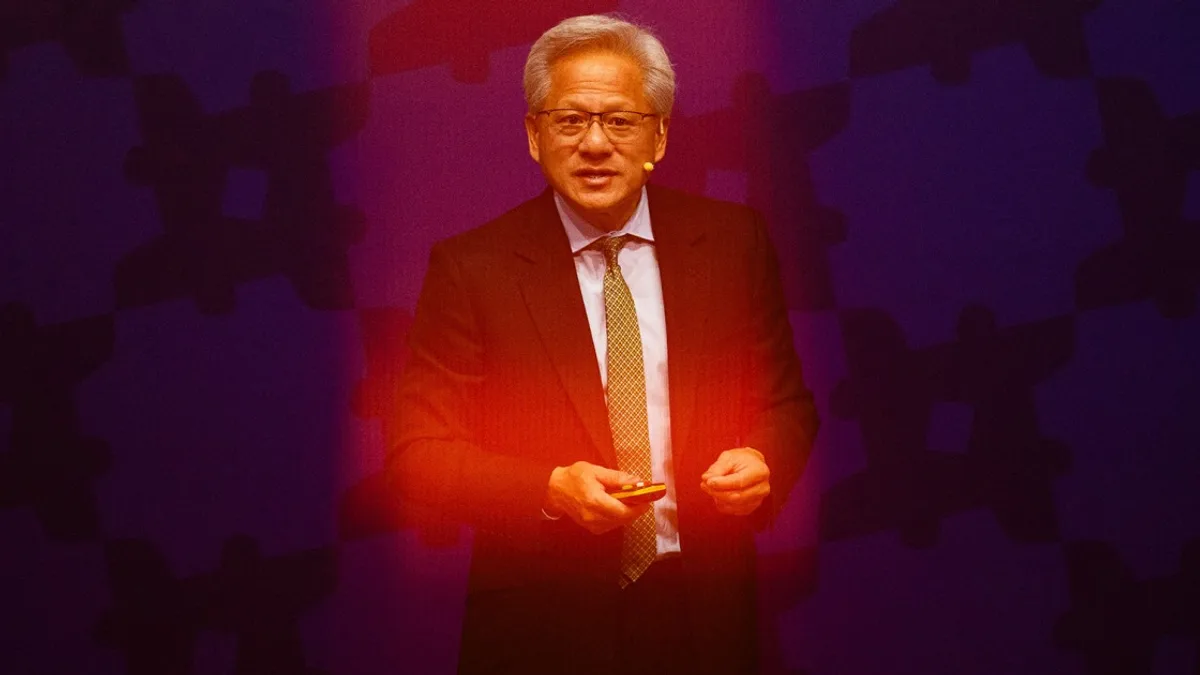
Shanghai hosted the World Artificial Intelligence Conference from July 17 to 20, one of the largest annual gatherings of its kind. China’s president Xi Jinping attended the opening ceremony, which frames the event as a state project rather than just an industry trade show. The message is plain: Beijing treats AI as a strategic field where it does not intend to fall behind.
While demo robots and giant screens filled the expo halls, the real news came from a single company.
Kimi K3 and the open-source race
On July 18, Chinese startup Moonshot introduced Kimi K3, a model with 2.8 trillion parameters and a one-million-token context window. In everyday terms, that means the model can hold an enormous amount of text in view at once, an entire long document, a full codebase, or hours of conversation, without losing the thread.
What makes Kimi K3 interesting is not just its size. It is an open-weight model, a system others can download, run, and build on themselves instead of depending on someone else’s server. Moonshot claims K3 is comparable to Anthropic’s Fable 5 and outperforms OpenAI systems in certain tests. Independent rankings placed it first in the web-interface arena, where models are judged on how well they turn a description into a usable page.
Numbers from a press kit always deserve caution until independent, real-world tests arrive. But the direction is hard to miss: Chinese labs are pushing top-tier models into the open, while Western leaders mostly keep their strongest systems closed. That shifts the economics of the whole field, because a free and powerful open-source model puts pressure on everyone else’s pricing.
Why is Serbia part of this story?
The Shanghai summit was not only a tech showcase. Alongside the conference, a World Organization for AI Cooperation was founded earlier in July, headquartered in Shanghai itself. Its 28 founding states include China, Russia and 26 others, and Serbia is among them.
For anyone who opens an AI tool every day, that matters more than it might seem at first. The standards, rules and infrastructure of artificial intelligence are increasingly set through alliances like this, not just by individual companies. If the global scene splits into blocs, the question of whose models and whose rules we use becomes geopolitical, not merely technical.
For now, the practical takeaway is simple. Open-source models like Kimi K3 mean powerful tools are becoming cheaper and more accessible, including for those who are not large corporations. That is good news for small teams and individuals, but it also raises fresh questions about who is accountable when such a tool gets things wrong.
Would you rather use a powerful open-source AI model you can run yourself, or a closed system from a large company you trust to maintain it?