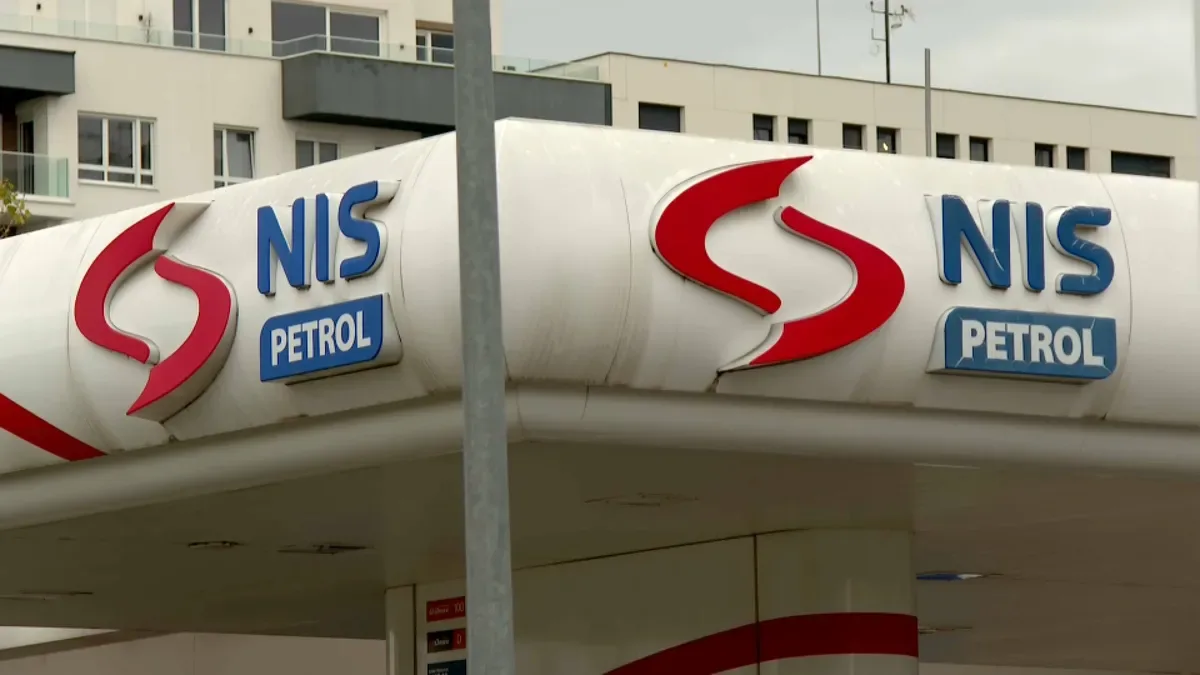
MOL and Belgrade reach deal as NIS license expires
The OFAC operating license for NIS and MOL's negotiating window both expire on June 16, while the June 11 deal between Belgrade and the Hungarian firm clears the path to take over a 56.15 percent Gazprom Neft stake.

- The OFAC operating license for NIS and MOL's negotiating window both expire on June 16, 2026.
- Belgrade and MOL reached a deal on June 11 that clears the path to a takeover of a 56.15 percent Gazprom Neft stake.
- NIS filed a fresh request with OFAC on June 10 for a special license to keep operating past June 16.
- The Pancevo refinery, with a capacity of 4.8 million tonnes a year, stalls if the license is not extended.
Two deadlines that had run on separate tracks for months have landed on the same date: the OFAC license that exempts NIS from US sanctions and lets it keep operating, and the window given to Hungary’s MOL to negotiate a takeover of the Russian stake, both expire on June 16, 2026. Five days earlier, on June 11, Belgrade and MOL announced a deal that clears the way for the Hungarian company to take over the 56.15 percent stake that Gazprom Neft holds in NIS.
The deal rewrites the ownership math that had stalled the whole process. After the takeover, the target structure has MOL holding 56.15 percent, while the Republic of Serbia keeps 29.87 percent. That would remove the Russian capital, the very reason the OFAC license exists, from the company’s ownership.
Why is June 16 the decisive day for NIS?
Without an extension or a closed transaction, the Pancevo refinery, with a capacity of 4.8 million tonnes a year, loses the legal basis to keep running smoothly. It is the only large oil-processing plant in Serbia, so any disruption reaches far beyond the company itself and hits fuel supply directly. To head that off, NIS filed a fresh request with OFAC on June 10 for a special license covering operations past June 16, though the regulator’s decision was not certain by the deadline.
Economist Goran Radosavljevic cautions that the calendars lining up does not mean a quick resolution: “For the first time these two dates coincide, and June 16 really could be the decisive day for the NIS situation.” By his estimate, the ownership negotiations themselves could realistically run through the end of 2026, since transferring the stake requires due diligence, regulatory approvals, and aligning a shareholders’ agreement among Belgrade, MOL, and the Russian side.
Who wins and who loses on this move?
For Serbia, the deal with MOL means swapping out the owner that triggered the sanctions for a partner with access to the US and European markets and no restrictions of its own. That cuts the risk of the refinery being shut out of the payments, insurance, and crude deliveries that sanctions had made difficult. The state’s 29.87 percent stake keeps Belgrade a seat in management even after the majority owner changes.
For Gazprom Neft, leaving NIS means losing a strategic foothold in the Balkans that Russia had built since 2008, when it took a majority stake. For MOL, acquiring 56.15 percent means entering one of the few refineries in the region with significant processing capacity, a fit with its network of plants in Hungary, Croatia, and Slovakia. The open questions are price and timing: until the transaction closes, NIS still depends on whether OFAC issues a new license.
The next development hinges on two decisions expected around June 16: OFAC’s answer to the special-license request, and confirmation that the Belgrade-MOL deal has been turned into a binding shareholders’ agreement. Do you think a change of owner is enough to keep the Pancevo refinery running without interruption through the end of the year?