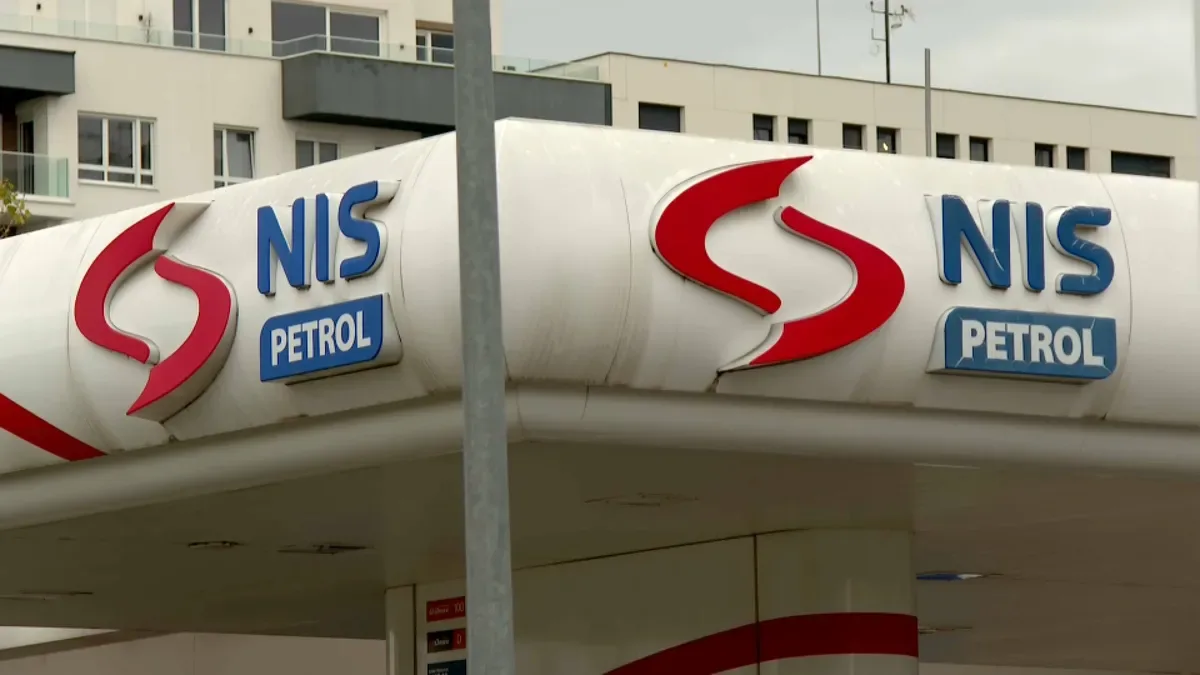
OFAC extends NIS operating license by 15 days, to July 1
After the previous waiver lapsed at midnight and a full day of waiting, the US Treasury's OFAC extended the operating license for Serbia's NIS by about 15 days, to July 1, keeping the Pancevo refinery running for now.

- On June 16, the US Treasury's OFAC extended NIS's operating license to July 1, 2026, about 15 days after the previous waiver lapsed.
- The same day, Energy Minister Djedovic Handanovic signed a shareholder agreement with the MOL Group on the future management of NIS.
- The deal has Serbia buying an extra 5 percent of shares, with the Pancevo refinery running at least the next 10 years.
- The agreement takes effect only if MOL and Gazprom Neft agree on the sale of the Russian 56.15 percent stake and OFAC approves it.
The US Treasury’s Office of Foreign Assets Control (OFAC) on June 16 extended the operating license for Naftna Industrija Srbije (NIS) to July 1, 2026, roughly 15 days after the previous waiver expired at midnight. That keeps the company running, the Pancevo refinery above all, for now, after a full day in which formal confirmation from Washington failed to arrive. The extension is technical rather than final: the license buys time while the ownership question that created the sanctions problem stays unresolved.
President Aleksandar Vucic had flagged the extension earlier that day, citing an informal tip from the US capital. “I have a tip from Washington, they will extend the license for NIS by another 15 days,” Vucic said. The forecast was borne out in the evening by OFAC’s decision, averting a scenario in which the refinery would have been left with no legal basis to operate.
Why is the license extension only a temporary fix?
The root of the problem remains ownership. Gazprom Neft holds 56.15 percent of NIS shares, so a company under Russian control stays exposed to the US sanctions regime until that stake changes hands. Extending the operating license to July 1 removes the immediate risk of a shutdown, but it does not alter the ownership structure that is the very reason the license has to exist. In short, two weeks have been bought, not a permanent settlement.
On a separate track the same day, Mining and Energy Minister Dubravka Djedovic Handanovic signed a shareholder agreement with the MOL Group on the future management of NIS. The deal has the Serbian state buying an additional 5 percent of shares and the Pancevo refinery running for at least the next 10 years, at the capacity it had before the US sanctions. “We will buy an additional five percent of shares in NIS, and the refinery will run for at least the next ten years at the capacity at which it ran for four years before the US sanctions,” Djedovic Handanovic said.
What still has to happen for the deal to work?
The signed agreement is not enough on its own. It takes effect only if MOL and Gazprom Neft agree on the sale of the Russian 56.15 percent stake and OFAC approves that transaction. That means even after the signing in Belgrade, the fate of NIS still rests partly in Washington and Moscow, not only in Serbian hands. Talks between the Hungarian company and the Russian owner over the price and terms of the transfer are continuing.
The stakes are concrete. The Pancevo refinery, with a capacity of 4.8 million tonnes a year, is the only large oil processing plant in Serbia, so a halt would hit fuel supply well beyond the company itself. Without the license extension, the plant would have had to stop. With the extension to July 1, the refinery keeps running, but on a clock again measured in days. The next decision point is the very end of June, when this waiver expires too, and it will become clear whether MOL and Gazprom Neft are any closer to a deal.
Do you think a 15-day extension is enough to close the talks over the Russian stake, or is another round of waiting on NIS coming before the summer?