Base Metals Cut 0.9 Points From Serbia's August Industry
The MAT bulletin breaks down August's 1.8% drop in manufacturing: motor vehicles added 0.63 percentage points, base metals subtracted 0.9, and the Pancevo refinery did better.
Serbian manufacturing produced 1.8% less in August 2026 than in August last year, and the reasons are broken down in the October issue of the Macroeconomic Analyses and Trends bulletin (MAT), published on October 9. According to that analysis, five manufacturing branches added a combined 2.31 percentage points, while three subtracted more than that.
What do the official figures show for August?
Total industrial output in Serbia was 0.5% lower in August than in the same month of 2025, the Statistical Office of the Republic of Serbia announced on September 30. Compared with the 2025 average, it is down 4.6%.
By sector, mining grew 6.7% and the supply of electricity, gas, steam and air conditioning grew 0.8%, while manufacturing fell 1.8%. The seasonally adjusted index, which strips out seasonal effects, shows total industry was 0.6% lower in August than in July, and manufacturing was down one percent.
Cumulatively, from January to August total output is 0.1% higher than in the same period of 2025. Manufacturing and mining are each up 0.9%, while energy is down 4.2%. Manufacturing posted a year-on-year decline in both July and August, after five straight months of growth. MAT estimates that its activity since the start of the year has been running about two percent below last year’s average, and that the drop in output in July and August has pulled the industry’s long-term trend back to stagnation.
Which branches added and which subtracted in August?
In August, output rose in 11 of 24 branches, which together make up 57.8% of manufacturing. The largest positive contributions came from:
- motor vehicles and trailers: 0.63 percentage points
- food products: 0.50 percentage points
- chemicals and chemical products: 0.46 percentage points
- machinery and equipment: 0.37 percentage points
- electrical equipment: 0.35 percentage points
That 2.31-point total was more than wiped out by declines in three branches. Base metals subtracted 0.9 percentage points, basic pharmaceutical products and preparations 0.83, and fabricated metal products, except machinery, 0.78 percentage points. The three negatives add up to 2.51 percentage points.
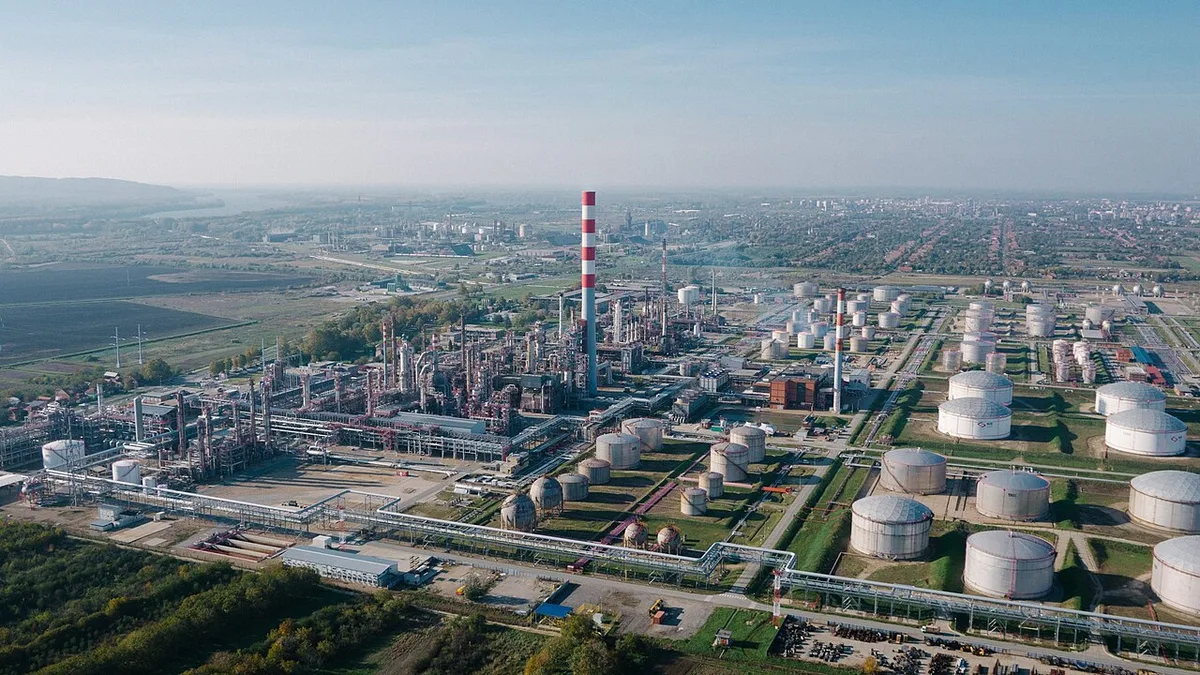
Pancevo refinery: negative since January, better August
The coke and refined petroleum products branch, which includes the NIS refinery in Pancevo, made a negative contribution of 0.29 percentage points over the first eight months. MAT recalls that late last year it judged that manufacturing would operate in less favorable conditions in 2026, partly because of problems at that refinery. US sanctions on Russian ownership pushed NIS into crisis, which limited supply and interrupted continuous production in Pancevo.
August looked different, and the analysis says so explicitly:
“The problem with the operations of the Pancevo oil refinery has not been resolved. It continues to operate with difficulty, but its performance in August was significantly better, so its negative effect on the manufacturing sector did not occur,” the MAT analysis states.
In other words, the minus of 0.29 percentage points covers the period from January to August, while in August itself the refinery did not drag manufacturing down.
Why is the Smederevo steelworks under pressure?
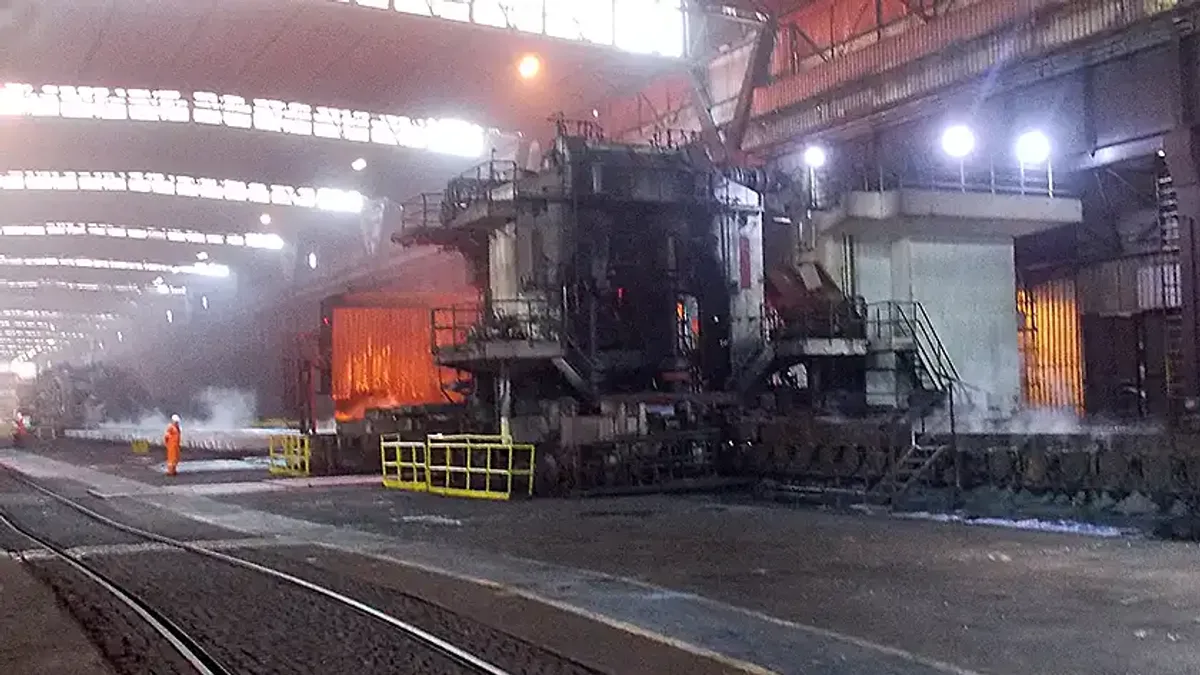
A growing problem, MAT says, is the production of base metals, that is, the operations of the Smederevo steelworks. As of July 1, 2026, the duty-free quota for steel exports from Serbia to the European Union was cut from about 820,000 to about 410,000 tons a year, and the duty on exports above the quota was doubled from 25% to 50%. The new rules also bring stricter control of steel origin, including data on where it was first melted and cast.
According to the analysis, Brussels wants this measure to stop Chinese and other companies from using factories in third countries, Serbia among them, to get around trade barriers. That puts additional administrative and regulatory pressure on the Smederevo steelworks, which is Chinese-owned.
MAT concludes that both the coke and petroleum products branch and the base metals branch face constraints that come mainly from the external environment. On top of that comes limited foreign demand, because eurozone industry is weak: high energy costs, restructuring and the green transition weigh on the European economy, and in Germany weaker consumption and announcements of large layoffs in the auto industry are putting pressure on the industrial model.
How long can Kragujevac carry the growth?
In those conditions, car production is one of the few larger positive impulses for domestic industry. At the FCA Srbija plant in Kragujevac, production of the electric Fiat Grande Panda started in early 2025, and it shows in the results of the motor vehicles and trailers branch. That branch has posted both current and year-on-year growth rates since January 2025. In August 2026 year-on-year growth was 12.5%, and the production level was about a third higher than last year’s average.
MAT, however, warns that the gains in motor vehicle and trailer production have been shrinking steadily since autumn 2025, and that current growth rates turned negative over the last three months. Serbia’s real GDP grew about 3.6% year on year in the first eight months of 2026, with services, net taxes and trade making the largest contribution to that growth.