NIS License Expires August 28, Gas Deal Through September
Mining and Energy Minister Dubravka Djedovic Handanovic says the Pancevo refinery operates license to license, while the gas supply deal with Russia runs through the end of September.

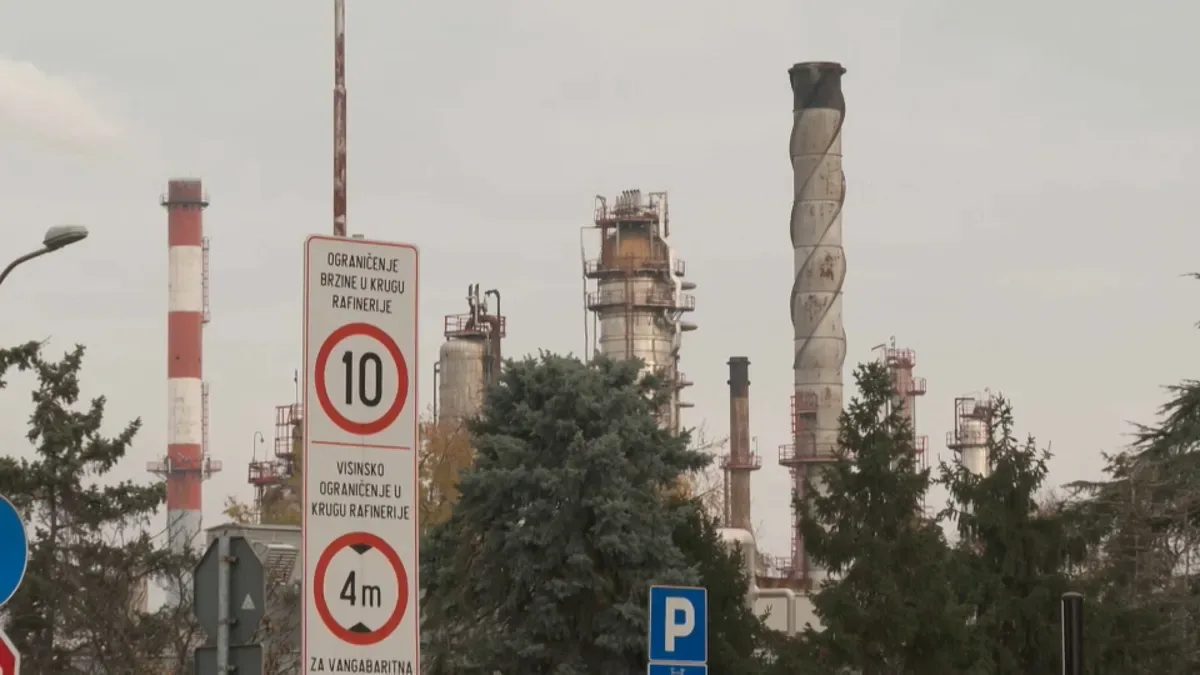
The operating license the United States granted NIS runs through August 28, and according to the minister of mining and energy, that deadline is now a bigger problem than the Danube’s historically low water levels. Dubravka Djedovic Handanovic, in an interview with Vecernje Novosti published on August 9, publicly ranked her priorities for the first time, placing a resolution for NIS ahead of the hydrological situation.
Right now, resolving the NIS issue is the most important thing, because the refinery is living from month to month, from license to license.
The line captures how the Pancevo refinery has operated since sanctions began: crude oil purchases and refining plans are tied to a permit renewed in short bursts rather than by the year or the quarter. We reported on the same August 28 deadline when the last extension was announced, and nothing has changed since except how many days remain.
The outcome does not rest with Belgrade alone. The minister expects Russia and Hungary to soon finalize their agreement over ownership of NIS, as Serbia’s president has also announced.
We hope, as the president of Serbia has also announced, for a swift finalization of the agreement between the Russian and Hungarian sides.
Gas Secured Through Late September
The interview’s second key point concerns gas: the supply deal with the Russian Federation runs through the end of September 2026, and the minister expects it to be extended through the end of the year, a condition for getting through winter without disruption.
The calendar has grown crowded. First the refinery’s operating license lapses on August 28, then the gas arrangement expires on September 30, meaning two decisions covering two different fuels and two different counterparts fall within a five week span.
How Much Power Is Djerdap Producing, and What Does That Mean for Prices?
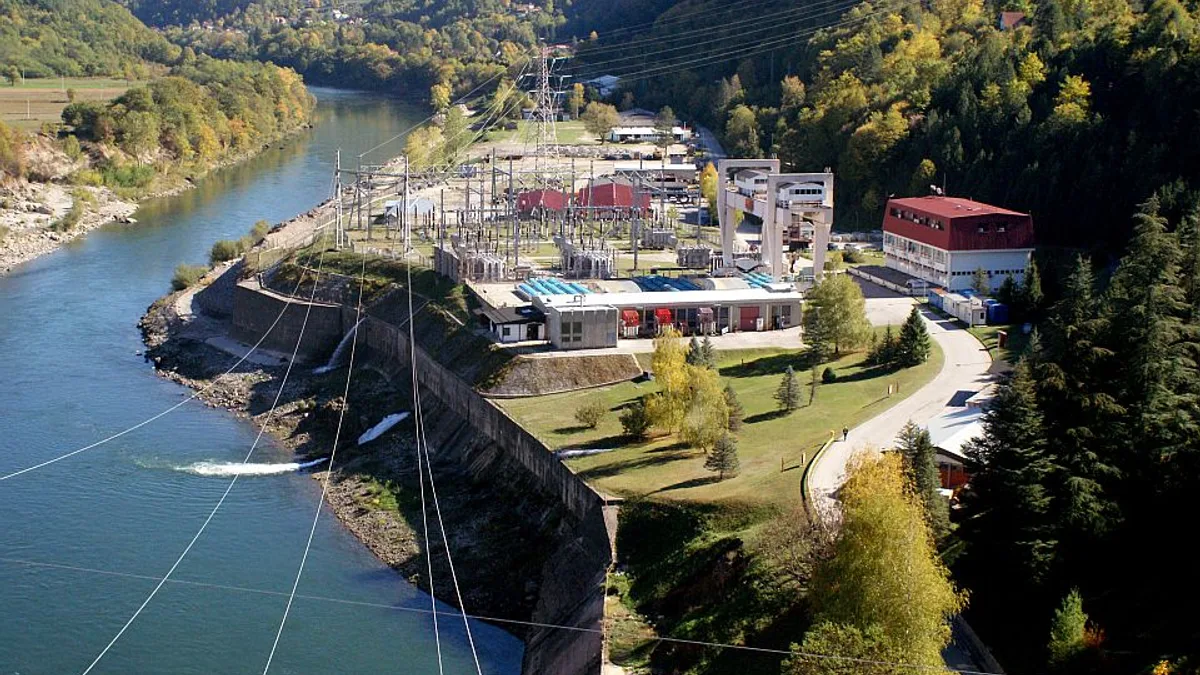
Output at the Djerdap 1 hydropower plant currently stands at 40 percent of its multi year August average, and at Djerdap 2 around 50 percent. The system’s reservoirs are 73 percent full, so the shortfall from run of river plants is being offset by thermal capacity and power secured in advance on the market.
Tighter supply is pushing prices up. On the exchange, electricity prices topped 500 euros per megawatt hour in some hours, and the pressure is not coming from Serbia alone: output at Hungary’s Paks nuclear plant has dropped to around 50 percent, so the region is drawing on the same kilowatt hour at the same time.
Supplying households and businesses with electricity is stable.
The minister says this is a passing phase, but that the coming weeks call for careful management of the system:
The water level problems will pass, but it matters that we manage our power system responsibly in the coming weeks.
450 Million Euros Invested in Coal Mines
Coal is currently the main substitute for water. EPS’s output over the past three months has run above plan and above the same period last year, and 450 million euros have been invested in modernizing coal production. Four new mining systems are planned for the Kolubara mines, while the spoil heap at the Drmno mine is full and will be expanded.
New generation sources are coming online too. Over the past two years, more than 300 megawatts of new capacity has been added to the system, the first inflow of that scale in decades.
Cross Border Capacity Growing From 4,000 to Over 6,000 Megawatts
When domestic output falls, imports depend on how much the grid can actually take in. Serbia’s cross border capacity currently stands at about 4,000 megawatts, with plans to raise it above 6,000 megawatts by 2035, in part through the Trans Balkan Corridor, expected to take two to two and a half years to complete.
Until then, the system works with what it has. The next date that changes anything is August 28, followed by September 30.