Aramco Cancels Oil Deliveries, Price Jumps to $122
Aramco canceled part of its September oil deliveries to European refineries after the East-West pipeline shut down on September 10, and Janbu has not loaded oil since September 11.

Not a single shipment of Saudi crude has left the Red Sea port of Janbu since September 11, according to data from the analytics firm Vortexa cited by Reuters. That is a direct result of the drone attack on the East-West pipeline on September 10, after which Saudi Aramco suspended operations on Friday of the line that carries seven million barrels a day, the only alternative to the Strait of Hormuz that Riyadh has had for the past six months.
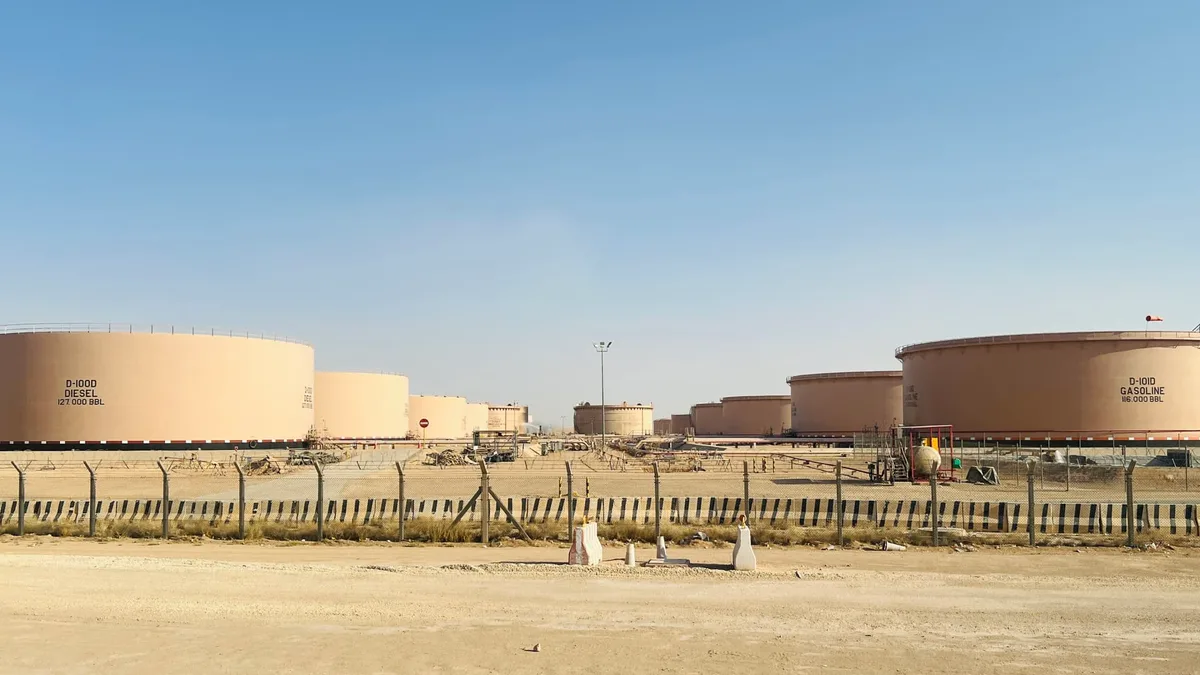
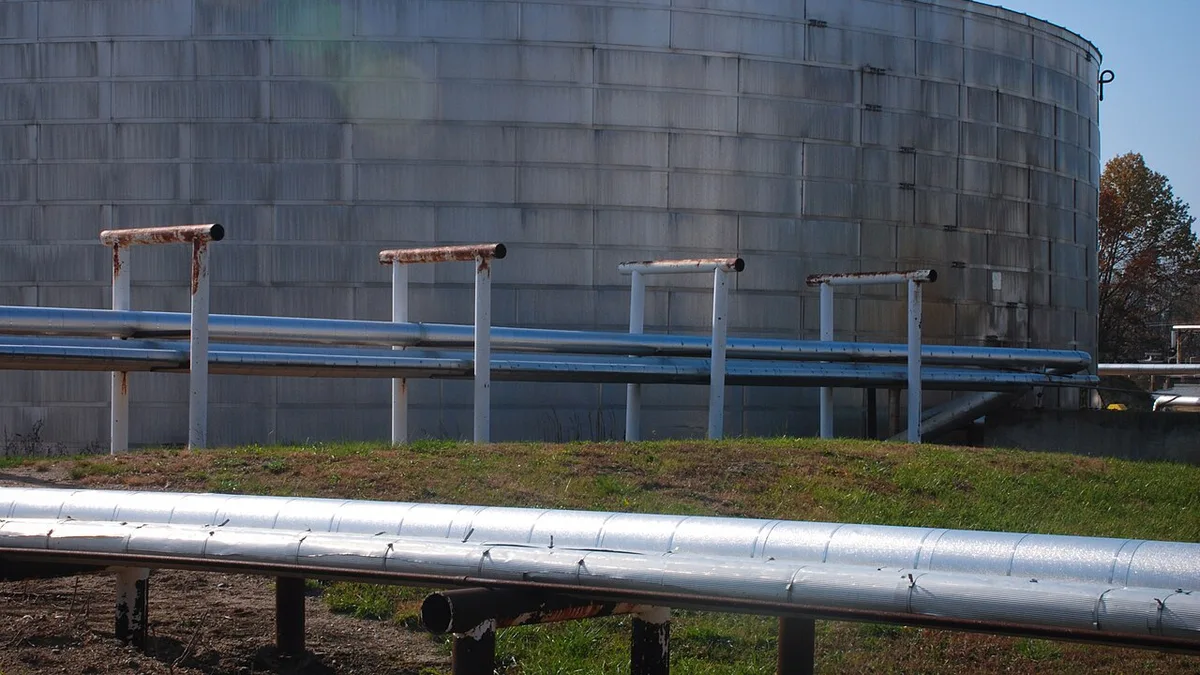
The pipeline carries crude oil from fields in the east of the country to the port of Janbu, bypassing Hormuz. When it stopped, so did the port: loading at Janbu has been suspended, and Saudi Aramco declined to comment.
Who Has Already Been Cut Off
According to sources in trading and shipping circles, at least three European refineries have been told their September cargoes are being canceled or pushed back to November, while two more are still awaiting the same notice. Traders estimate that every Saudi shipment scheduled for the last ten days of September is now at risk. One market source told Argus that at the time of the shutdown, Janbu held crude stocks sufficient for only about five days of operations, though Argus was unable to independently confirm that estimate.
Sources disagree on who is behind the attack. Riyadh officially blames Iraqi paramilitary groups for the strike on the pipeline. Shipping industry sources, according to the BOE Report, attribute the same attack to Yemen’s Houthis, who are close to Iran. Neither version has been independently confirmed.
Orlen Most Exposed
The biggest loser is Poland’s Orlen, which sources about 40% of the crude it refines in Poland, Lithuania and the Czech Republic from Saudi Arabia. Aramco became its main supplier in 2022, when Orlen was cutting its dependence on Russian oil.
“Adjusting and optimizing the volumes we purchase is a standard and ongoing part of the Orlen Group’s business, and depends both on our current production needs and on changes in market conditions,” an Orlen spokesperson told Reuters.
On Friday and Monday, the company bought North Sea grades Grane, Johan Sverdrup and Johan Castberg on prompt tenders, and it is also seeking offers for American WTI Midland and Kazakhstan’s CPC Blend. On Tuesday it issued a new tender for North Sea or Algerian crude for October delivery, and for Guyanese crude for November. Tender results are not yet known.
The Baltic port of Gdansk in Poland has so far received about 160,000 barrels a day from Saudi Arabia, and Lithuania’s Butinge about 63,000 barrels a day, according to data from the analytics firm Kpler. Part of those volumes now has to be replaced from other markets, at a higher price and over a longer shipping route.
What’s Happening to the Price
The outage has pushed several markets at once:
- Brent futures are trading around $108 a barrel
- the physical benchmark, so-called dated Brent, has climbed to about $122 a barrel, according to LSEG data
- futures on the Shanghai exchange hit $138 a barrel, the highest level ever recorded there
- chartering the largest tankers (VLCCs) has risen to $30 to $32 a barrel, on top of war-risk premiums
Saudi Arabia is meanwhile trying to make up for the lost Red Sea export route by pushing more crude through the Strait of Hormuz itself, using the kind of covert shipments already employed by the United Arab Emirates and Iraq. That transport model is keeping Gulf producers’ exports at seven to nine million barrels a day, 30% to 40% of pre-war volumes. In the week of September 7 to 13, Riyadh loaded 22 million barrels onto 12 ships from the ports of Ras Tanura and Juaymah, twice as many ships as in the previous three weeks, when the average was six to seven ships a week.
A Second Front, in Libya
On the same day Janbu went offline, Libya halted operations at three oil fields after members of the Petroleum Facilities Guard shut a valve on the Hamada-Zawiya pipeline. Libya’s National Oil Corporation warned it could declare force majeure if the disruption continues, which would add yet another supply outage outside Saudi Arabia to an already tense market.
Janbu is also home to the 400,000-barrel-a-day Jasref refinery, one of the largest diesel exporters on the Red Sea, whose fate depends on the same pipeline. Aramco has leaned increasingly on the Janbu terminal since the United States went to war with Iran on February 28, as that route had until now been its safest way around Hormuz. What the market is waiting for next is Aramco’s official estimate of how long the East-West pipeline will stay offline: early estimates run three to five weeks, and until then every new shipment to Europe remains in question.