Heating plants start test runs, prices changed in 3 cities
Dejan Stojanovic, head of the heating plants association, says systems are technically ready, but gas debt is nearly 12 billion dinars and Vrbas is the only critical point.
Serbia’s heating plants owed nearly 12 billion dinars (~102 million EUR) for natural gas at the start of September, and almost another billion dinars (~8.5 million EUR) for fuel oil, according to figures from the Business Association of Serbian Heating Plants. The season begins with that debt: most district heating systems started test runs on October 12, three days before the official start of heating on October 15.
The figures on debt, prices and readiness came from Dejan Stojanovic, the association’s director, speaking on RTS’s Morning Program. Regulations allow heating to begin before October 15, depending on the outside temperature, he said. Serbia has 60 heating plants, which supply heat to about 670,000 households.
“Most district heating systems will start so-called test runs today, and depending on outside air temperatures we will monitor the situation and meet our legal obligation in line with what the weather requires of us,” Stojanovic said.
Stojanovic says the plants are technically ready for the season, but financial problems still weigh on their operations.
When will radiators in apartments get warm?
According to Stojanovic, radiators in some households could be lukewarm by the afternoon of October 12, but they will not be hot right away. The temperature depends on weather conditions and the size of the system.
“Depending on the size of the system, while the fluid circulates through the hot water network, in some places it will happen sooner, in others later. Fine adjustments come only after the working fluid is released into the network, the substations and the radiators,” Stojanovic explained.
He urged residents to report only more serious faults, such as major leaks, during the first days of operation.
“The system was out of service for the past six months and we always have what you could call teething problems at the start of the heating season. This is not a storage heater that you switch on and the heat starts right away,” Stojanovic said.
The heating regime differs from city to city, because local governments decide the terms of heat supply. Stojanovic described what applies as a rule:
- the heating day runs from 6 a.m. to 9 p.m. or from 6 a.m. to 10 p.m.
- on weekends and holidays, heating starts at 7 a.m.
- a switch to 24-hour heating is planned for extremely low temperatures
- the required temperature in a heated space is about 20 degrees, with a permitted deviation of one or two degrees, depending on local rules
In which cities were heating prices changed?
In most cities the price of district heating has not changed, even though the plants submitted requests for possible adjustments to local governments at the start of September. There are three exceptions.
“Adjustments were made in practice in three cities or municipalities. During the summer, in July, in Trstenik and in the fixed part of the tariff in Novi Pazar, as well as at the Nis heating plant, which makes constant adjustments in line with the prescribed methodology,” Stojanovic said.
The director of the association stressed that the plants’ debts cannot be grounds for raising prices for customers.
“Nobody ever raises the price because someone failed to meet their obligations, nor do the regulations allow it, nor is it done. Prices are set solely in line with justified costs of production, distribution and supply of heat,” Stojanovic stated.
How old is the heating plants’ debt?
The amounts the association collected up to the start of September include old debts, some dating back ten, fifteen or even thirty years, Stojanovic explained. In his assessment, the systems mostly cover their current obligations.
“What matters is that district heating systems more or less pay their annual obligation for delivered energy sources to a sufficient degree. That practically keeps the system going,” Stojanovic said.
Why is Vrbas the only critical point?
In previous years there were usually three to five problematic heating plants. This year only Vrbas remains a critical point, where financial problems affected the timely preparation of the system. Stojanovic expects the situation to be resolved within a day or two.
“The gas contract is settled and I hope that today, or in the next day or two, this situation will be resolved too, so that we practically reassure all end customers of heat,” Stojanovic said.
Energy supplies are secured, according to him. Natural gas is stored in Banatski Dvor and in storage facilities in Hungary, and the plants also hold certain reserves of liquid and solid fuels.
What heats the system: the share of gas
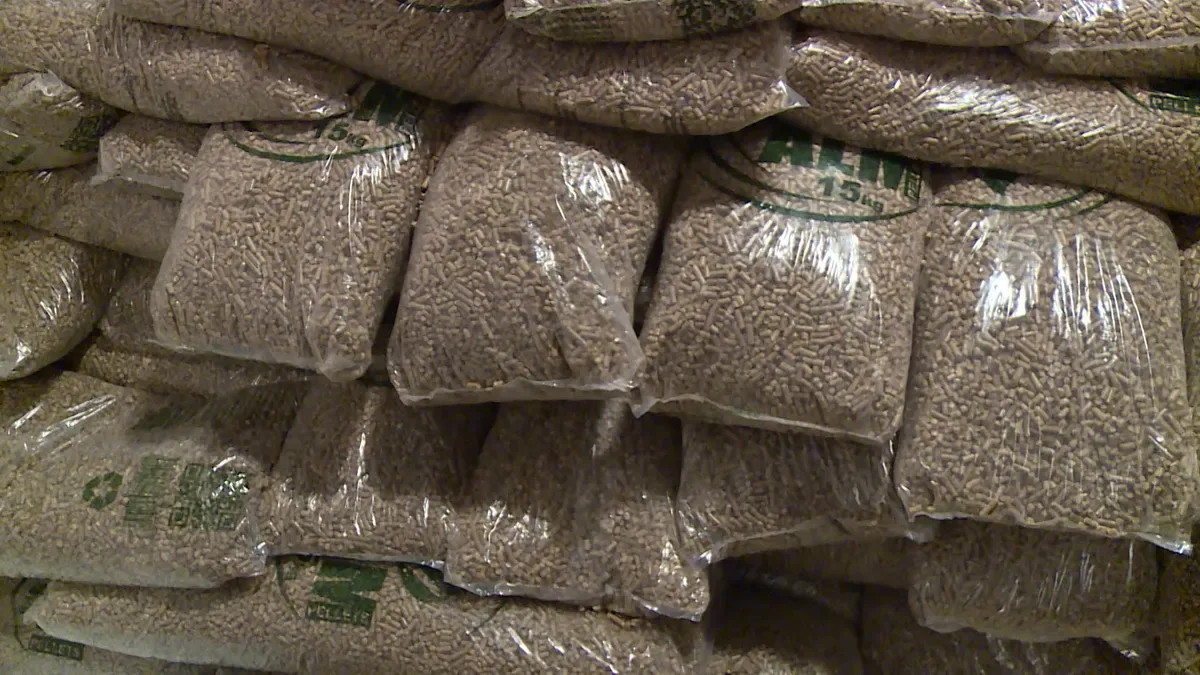
Most of the heat in district heating systems is produced from natural gas, while the use of fuel oil and coal is declining.
“About 85 percent of energy is produced from natural gas. Renewable sources have reached almost five percent. Fuel oil has fallen to about 2.5 percent, and coal to 7.5 percent,” Stojanovic stated.
The energy development strategy to 2040, with projections to 2050, envisages the share of gas falling to 50 to 52%, Stojanovic said. At the end of the interview he also assessed the risks around gas deliveries:
“As for everything that is up to the district heating system, the people, the management and those responsible for it, we do not expect problems. Of course, since gas comes from various directions, nobody knows what may happen because of the geopolitical and every other situation, but as far as it is up to us, I think we have done everything possible under the given conditions,” Stojanovic concluded.