Heating a 60 sq m flat: pellet 113,900 dinars, was 75,900
Serbia's Energy Agency prices a 60 sq m flat: gas 59,500, cheaper firewood about 60,000, direct electric 250,600 dinars a season. Heating oil awaits NIS.
Heating a 60 square meter flat with pellets costs 113,900 dinars this season, according to a calculation by the Energy Agency of the Republic of Serbia, while the same calculation showed 75,900 dinars last season. The difference of 38,000 dinars is a rise of exactly 50%, the biggest jump among the fuels households choose most often.
The figures were presented ahead of the heating season, which at district heating plants mostly starts on October 15, by Nebojsa Despotovic, head of the Agency’s economic sector. He spoke at the forum “How Will We Heat Next Winter,” held on Thursday, October 8, by Energija Balkana in cooperation with Elektroprivreda Srbije (EPS) and with the support of the Serbian Chamber of Commerce, and also discussed it on RTS. We covered the other half of the bill earlier: consumption-based district heating billing in Belgrade.
How are these amounts calculated?
The Agency starts from a 60 square meter flat, heated throughout to 20 degrees, 16 hours a day, for 180 days. That takes about 9,000 kilowatt-hours of heat, based on 150 kilowatt-hours per square meter, the estimated average heating consumption in Serbia. The prices are September prices, so the calculation is a snapshot of the situation before the season, not a projection.
Despotovic explained that gas remains under a regulated price, unchanged since November 1, 2023:
“Natural gas is essentially a regulated price, and that is the price for the small consumption category, which includes households. The gas price was last approved on November 1, 2023, and that is the price currently in force, three years old. Here we took the weighted average price for small consumption of all suppliers in Serbia - for the record, Srbijagas has a slightly lower price than the weighted average - and then we add all levies and VAT on top.”
That is why the gas bill is the same as last year: 59,500 dinars for the season.
What is cheapest, and what is most expensive?
In Despotovic’s words, “at currently valid prices, two types of heating will be the cheapest in the coming period: natural gas and wood, and that means the cheaper wood.” The other fuels, according to the Agency’s calculation for this season:
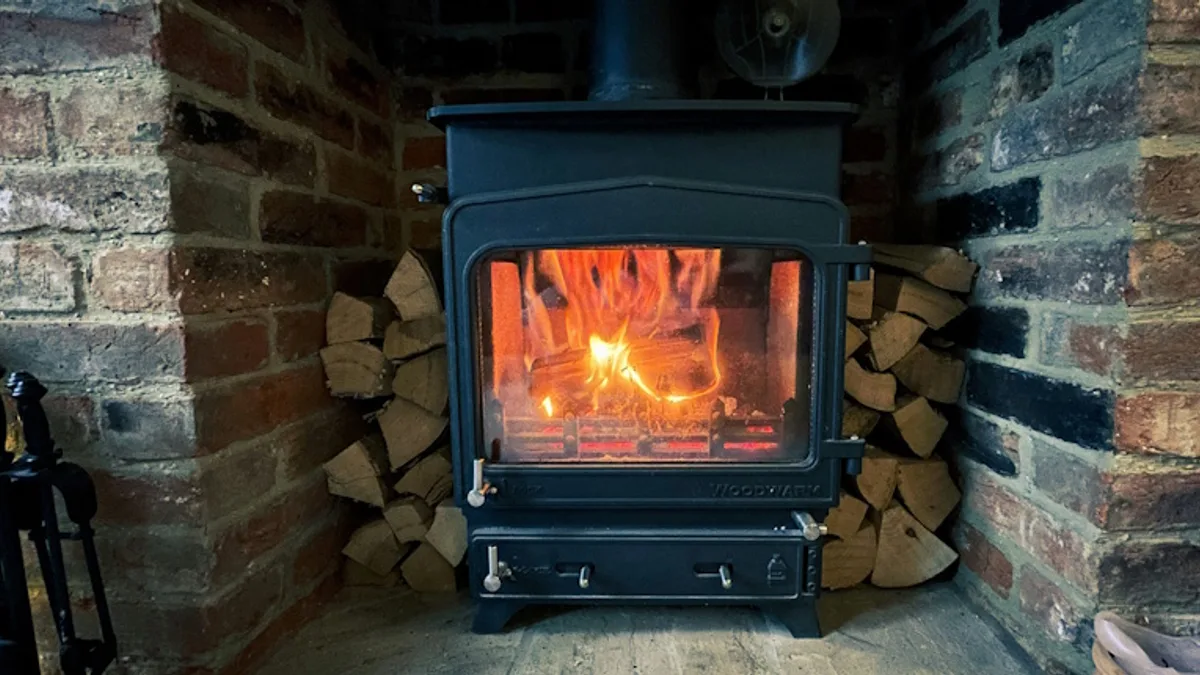
- firewood, cheaper wood and an efficient stove: about 60,000 dinars (53,000 last season); pricier wood and a less efficient stove: 99,300 dinars (87,600 last season)
- coal: Banovici 80,900 dinars (77,700 last year), dried coal from Vreoci 86,300, raw lignite from Stanari 102,600
- electricity, thermal storage stove charged only at night: 102,700 dinars; with two hours of daytime top-up at the higher tariff: 142,100 dinars
- propane-butane: 187,600 dinars (172,100 last year)
- heating oil: 167,500 dinars (133,800 last year)
- electricity, direct heating with electric heaters or a boiler for apartment heating: 250,600 dinars, the most expensive option at current prices
For wood the Agency calculates two extremes, because the cost depends on the price of the firewood and on the efficiency of the stove. Both the cheaper and the pricier variant are about 13% above last year’s amounts this season. Electricity prices have not changed since last season, and Despotovic reminded listeners that a kilowatt-hour at the higher tariff is four times more expensive than one at the lower tariff.
Why do pellets rise the most?
Despotovic said that “at the end of September and the beginning of October its market price jumped almost 50 percent, and that raised heating costs quite a lot.” At the forum he added that pellet stoves are quite efficient, but that the price “jumped significantly, almost 50 percent compared with the last heating season.”
The heating oil figure is the least certain in the calculation. NIS usually publishes its price for the coming season in the second or third week of October, so the Agency kept last season’s. Despotovic told RTS:
“For heating oil we did not have a price for this season at the moment, so we used last year’s. At that price, heating would cost 170,000 dinars, which means that once this year’s price is set, it will be extremely expensive.”
N1 reports the exact amounts from the Agency’s calculation, while B92 rounds them (gas and cheaper wood about 60,000, pellets about 114,000, propane-butane about 188,000, heating oil about 170,000), so the minor differences between reports do not reflect a different calculation.
Who heats with what?
According to the 2022 census, cited by Despotovic, almost half of citizens heat with wood and pellets, about 25% with central heating, 13% with electricity, and about 10% with gas. Ljubinko Savic, secretary of the Association for Energy and Mining at the Serbian Chamber of Commerce, said that about 65% of citizens heat with firewood.
For those on district heating the price has mostly stayed the same, because cities and municipalities for the most part did not approve a price increase for the heating plants from October. The Serbian Heating Plants Business Association said that only the plant in Vrbas is not ready for the start of the season, because of financial problems. EPS says there will be enough electricity.