Pellets hit 52,000 dinars a ton, 50% above last year
Some sellers ask up to 52,000 dinars per ton, while cheaper yards start at 44,000. Professor Glavonjic says a further rise depends on electricity prices.
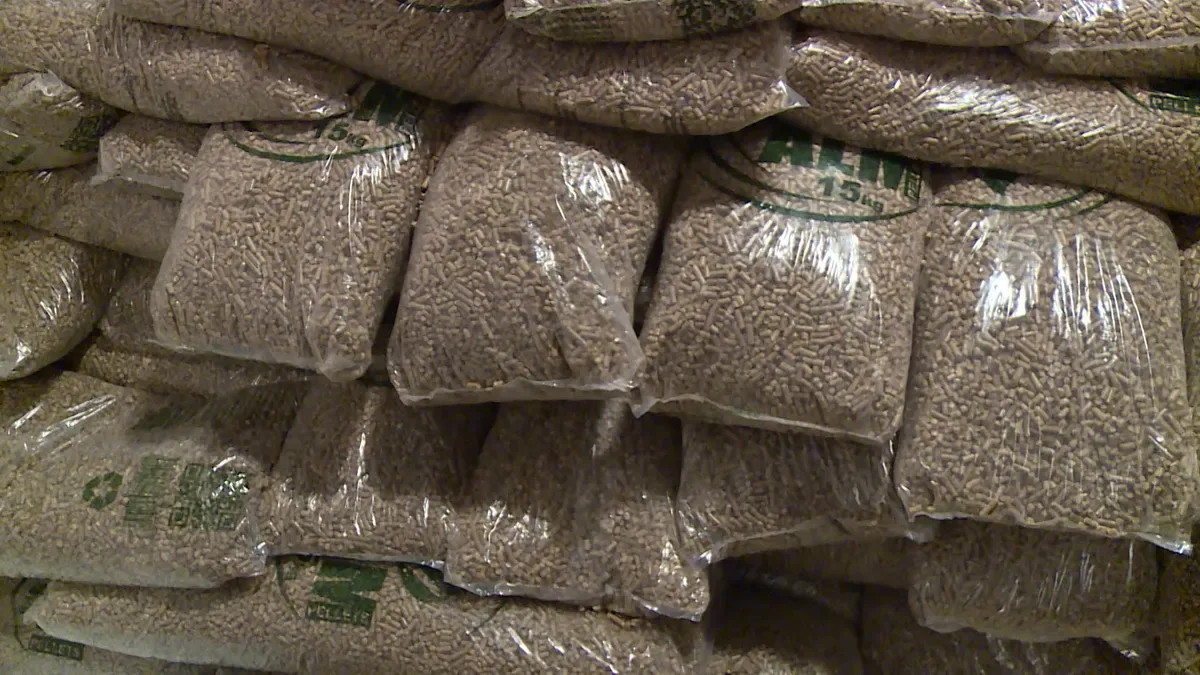
At some yards in Serbia a ton of pellets now costs 52,000 dinars this season, about 50 percent more than last year, Danas reported on October 22, at the start of the heating season. Pellet prices climbed through the summer, and Branko Glavonjic, a professor at the Faculty of Forestry in Belgrade, warns that an electricity price rise before the end of the year could push them higher still.
Prices at the yards currently range like this:
- the highest price is 52,000 dinars per ton
- cheaper yards start at 44,000 to 45,000 dinars per ton
- some sellers offer pellets for around 40,000 dinars per ton
Prices above 50,000 dinars mostly apply to imported pellets from Montenegro and Croatia, so buyers are not forced to choose only among such high offers. Still, according to the same report, there are not many cheaper yards.
How did the pellet price reach 52,000 dinars?
The rise began in the summer, when a ton reached about 44,000 dinars. Many people had considered that a peak-of-the-season price, so it came as a surprise, since experts had advised buying pellets in summer, when demand is lower and prices are cheaper.
Last year a ton went from 30,000 to 42,000 dinars between October and December. Today’s 52,000 dinars is therefore above last year’s December level. The report does not say which month of last year the increase of about 50 percent is measured against, so that percentage can only be read as a rough estimate.
The price history in euros shows how unstable the market is. In October 2021 a ton rose from 170 to 250 euros, in 2022 it reached 400 euros, and the following year it fell back to 280 euros.
Why does demand push the pellet price up?
Glavonjic explains the rise by higher demand, which was set off by last year’s electricity price increase. After the threshold for the red consumption zone was lowered, a large number of households switched to pellets, and delivery problems lasted until mid-December.
Glavonjic, the Belgrade forestry professor, described what happened:
“Last year, when the threshold for entering the red zone for electricity consumption was lowered, a large number of consumers decided to switch to pellets. Those who had no experience thought it was as simple as a supermarket, you go and buy what you need. Those new consumers emptied the yards within a few days, and then until mid-December there were problems with deliveries, because factories cannot produce and deliver large quantities of pellets in such a short time.”
The question, as the report frames it, is whether the price rise will drive away those who turned to pellets because electricity was expensive.
Can the state cap the pellet price?
Last month Montenegro capped the retail price of pellets at 250 euros per ton for class A2 and 270 euros for class A1, VAT included. In Bosnia and Herzegovina a ton costs up to 458 euros, with the lowest price around 300 euros, so the price rise is a regional phenomenon, not only a Serbian one.
Glavonjic believes similar measures are not needed in Serbia. He points to 2022, when the price was already capped:
“Those effects were on the scene for a week or two. After that, producers and consumers organized themselves. Producers started selling pellets themselves at their factories and opening their own yards, so a pellet shortage was caused, of course. On the other hand, the yards that did get pellets charged consumers transport costs, so in a way they got around the decree.”
In his words, the same thing is happening in Montenegro now. Glavonjic described it this way:
“It is happening right now in Montenegro. The government made a decision to cap the retail price of pellets, and two to three days after the measure took effect, the yards were emptied, and producers turned their production to export, where they got higher prices.”
In Serbia, Glavonjic says, leading producers, traders and government representatives agreed in early September to stop an “unrealistic jump in prices” at the larger yards. The agreement is not a price cap, but in his assessment it is the reason a decree is not needed.
What could trigger a new price rise?
Glavonjic says there is no reason for another pellet price increase before the end of the year, unless electricity gets more expensive. The current government, which is in a caretaker mandate, promised the International Monetary Fund that electricity prices would rise by the end of the year. A rise could push some of the households that heat with electricity to switch to pellets, which would increase demand and, as a result, the price.
Last year the price rose by 12,000 dinars per ton between October and December, and, as reported, “panic” buying by new pellet consumers contributed to it.