Serbia Savings: 250 Billion Dinars, 17.4 Billion Euros
The National Bank of Serbia released figures ahead of World Savings Day: dinar savings are up 42.8 billion dinars since January, foreign currency savings up 1.3 billion euros.
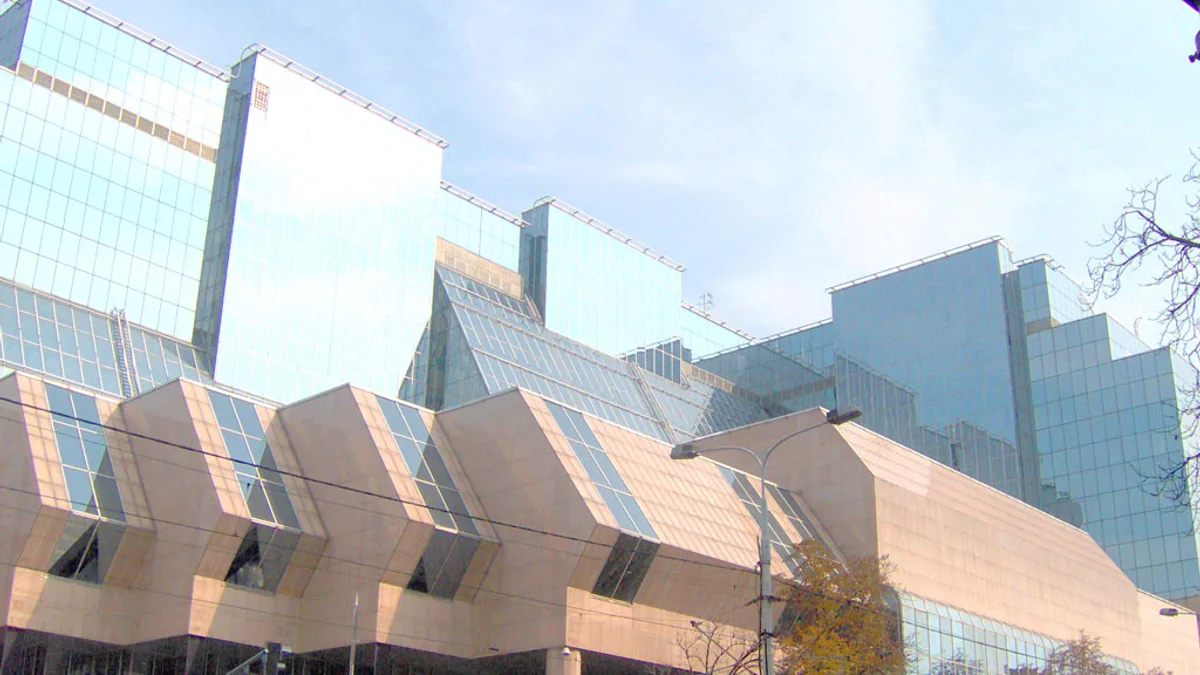
Citizens of Serbia hold about 250 billion dinars in dinar savings and 17.4 billion euros in foreign currency savings, according to operational data from the National Bank of Serbia (NBS) for the end of October. The central bank published the figures on October 30, the day before World Savings Day.
What the October data show
Household dinar savings are up 42.8 billion dinars, or 21%, from the start of 2026. Foreign currency savings rose by 1.3 billion euros (7.9%) over the same period. The NBS says savings reached record levels this year despite global uncertainty.
In its statement, the bank describes savings as the foundation of financial security:
“By saving, that is, by postponing current spending for the future, citizens create a basis for coping more easily with unexpected expenses and economic uncertainty,” the National Bank of Serbia said.
The NBS attributes the faster growth of dinar savings compared with foreign currency savings mainly to macroeconomic and financial stability over a longer period of years.
How far dinar savings have caught up
The share of dinar savings in total household savings stood at 11% at the end of September, compared with 1.9% in September 2012. The National Bank explains it this way:
“Thanks to the faster growth of dinar savings than foreign currency savings, the share of dinar savings in total household savings reached 11 percent at the end of September, which is a considerable increase, given that in September 2012 it was only 1.9 percent,” the NBS said in its statement.
Fourteen years have passed since the Strategy for Dinarization of the Domestic Financial System was introduced, and household dinar savings have grown almost 14-fold in that time. Foreign currency savings grew more slowly: from 7.9 billion euros in September 2012 to 17.2 billion euros at the end of September 2026, more than double. The two foreign currency figures should not be confused: 17.2 billion refers to the end of September, 17.4 billion to the end of October.
By term and deposit size
Dinar savings with a term of six months to one year grew fastest, by 29.3 billion dinars. That category is also the largest, making up 57.6% of all dinar savings. Growth by maturity looks like this:
- term of six months to one year: 29.3 billion dinars
- term of three to six months: 12.2 billion dinars
- demand deposits: 6.8 billion dinars
The average dinar deposit per account at the end of September was 223,000 dinars. That average hides a large number of small accounts:
“However, when deposits of up to 10,000 dinars are excluded from the calculation (they make up 82.6% of all accounts, but only 0.2 percent of the total amount of dinar savings), the average amount of dinar savings per account was 1.3 million dinars,” the statement reads.
For foreign currency savings, the average deposit per account was about 4,500 euros. Without deposits of up to 500 euros, which make up 71.4% of accounts but only 0.6% of the amount, the average is above 15,600 euros. In the first nine months, foreign currency savings grew by more than a billion euros, mostly thanks to terms of six to twelve months (616.6 million euros) and demand deposits (468.0 million euros).
Did dinar savings pay off better than foreign currency savings?
According to the regular analysis the NBS prepared for World Savings Day, yes. From September 2012 to September 2026, dinar savings were more profitable than comparable euro savings, regardless of the term. Yields by term are not given in the parts of the statement available to us.
Inflation, the exchange rate and reserves
Year-on-year inflation in September was 4.1%, within the target range of 3 ± 1.5%, while the average for the first nine months was lower, at 2.8%. The dinar moved relatively steadily against the euro, and the NBS used interventions on the interbank foreign exchange market to help achieve that:
“In that period the National Bank of Serbia was a net seller of 475 million euros, responding to depreciation pressures, which dominated in the first three months and in September, while appreciation pressures prevailed from April to August,” the NBS said.
The NBS’s gross foreign exchange reserves at the end of September stood at 29.6 billion euros. That covers 6.7 months of imports of goods and services and, as the statement puts it, is well above the adequacy criteria.