Euro at 119-120 Dinars in Exchange Offices, Mid-Rate Holds
Dusan Uzelac of Kamatica says some exchange offices are exploiting higher demand for cash while the mid-rate barely moves. There is no shortage of foreign currency, he insists.
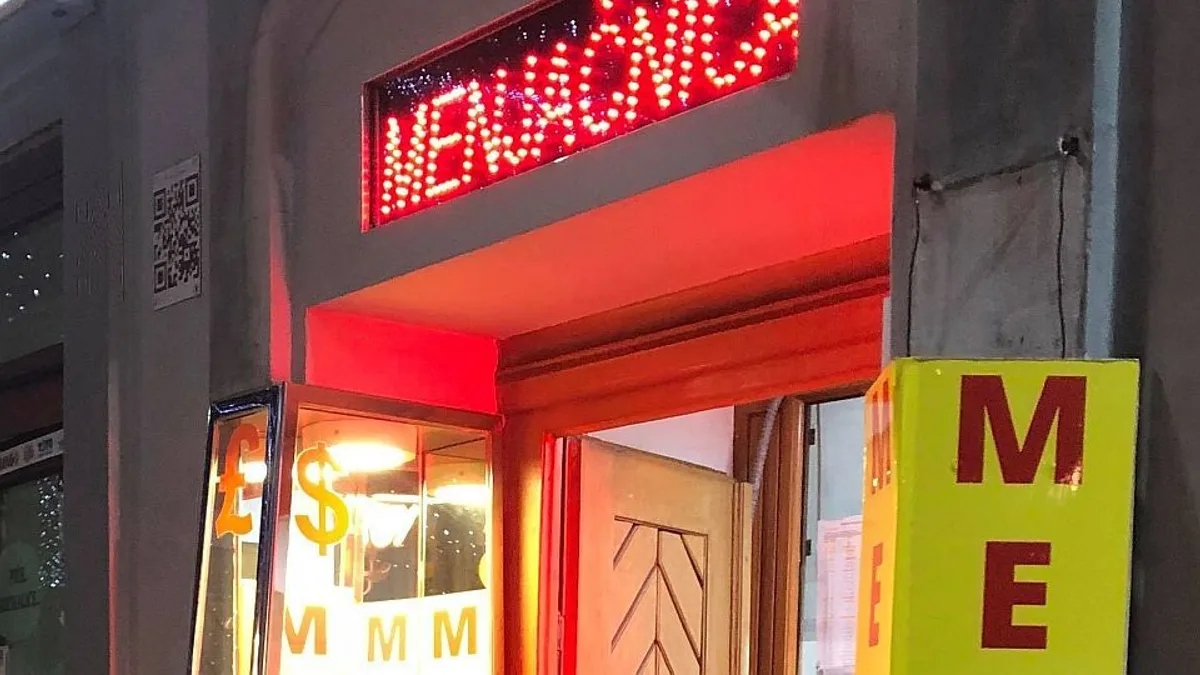
Some exchange offices are selling the euro at 119 dinars, and a few at 120, while the official mid-rate of the National Bank of Serbia (NBS) has barely moved over the same period. Dusan Uzelac, editor of the Kamatica portal, explained the gap between the cash price and the reference rate on RTS, pointing to psychology and public fear rather than a lack of foreign currency.
We have covered exchange offices before, including reports that some refused to sell euros and the NBS figure on sales of 744.9 million. What is new is that the price at part of the market now sits at 119 and 120 dinars, with no matching move in the official rate.
“I would say that some exchange offices are trying to take advantage of this situation,” Uzelac told RTS.
What does the NBS rule say about the selling rate?
Uzelac reminds viewers that exchange offices are bound by a National Bank of Serbia rule. “There is a very clear rule under which the National Bank of Serbia caps the highest selling rate relative to the mid-rate,” he said.
Is there a euro shortage in Serbia?
Not according to Uzelac. “There are no problems, no deficit and no shortage,” he told RTS. He attributes the higher demand for euros at exchange offices to fear, and the greater demand for cash to the season: “Everything that is happening is short-lived and psychological in nature.”
As evidence, he points to the behavior of the official rate. Had a serious disturbance hit the foreign currency market, he says, a much larger shift in the mid-rate would be expected, and there is none:
“The mid-rate is hardly moving at all, given all the talk that has built up, which means these events have no major effect beyond the psychological one.”
By that logic, the price increase at individual counters does not come from a deficit of foreign currency.
Why are smaller exchange offices running out of cash?
The problem, Uzelac explains, is limited to physical cash, because delivering it takes logistics. He compares it to a shop that normally sells a ton of apples a week and suddenly faces an order for ten tons. The goods cannot reach the shelves in a day.
“If someone buys all the euros they have in the morning, they have nothing left to sell for the rest of the day,” Uzelac said. He says this applies mainly to smaller exchange offices, which in his words could not secure enough cash to match the surge in demand.
Where can you buy euros without limits?
Uzelac advises against rushing and, for those who can, turning to a banking app. “Today nobody has a problem buying foreign currency through a banking app,” he said, adding: “There are no limits and no unusually high rates.”
Cash exchange at exchange offices makes up a smaller part of the overall foreign currency market. Companies, corporations and public enterprises, including those buying energy, play a major role in it. For comparison, Uzelac notes that the euro cost about 117.6 dinars in November 2021, which he says shows that the value of the domestic currency has moved within a relatively narrow range for years.
What does Alta Banka have to do with it?
Uzelac also addressed the NBS decision to revoke the operating license of Alta Banka. He judges that the case cannot threaten the stability of the banking system, since Alta Banka holds about three percent of the market. Public trust, however, has already been shaken, in his view.
Citizens, he adds, often react with fear because of earlier bad experiences, withdrawing money even when there is no economic reason for it. “We cannot always explain fear rationally,” Uzelac said, and he expects the situation to calm down within a few days.