Euro demand at Serbian exchange offices: 300 to 400 euros
Exchange office owners say euro buying has been rising for a month, though it eased this morning. The head of the NBS Governing Council says the dinar's slide is temporary.

Customers have been lining up for euros at exchange offices for a month, and the National Bank of Serbia (NBS) middle rate for October 30 stands at 117.5367 dinars, almost unchanged from the day before. Exchange office owners say buying began to climb before the October 25 parliamentary elections, while Ivan Nikolic, head of the NBS Governing Council, called the slight weakening of the dinar a temporary development.
What do exchange office owners say?
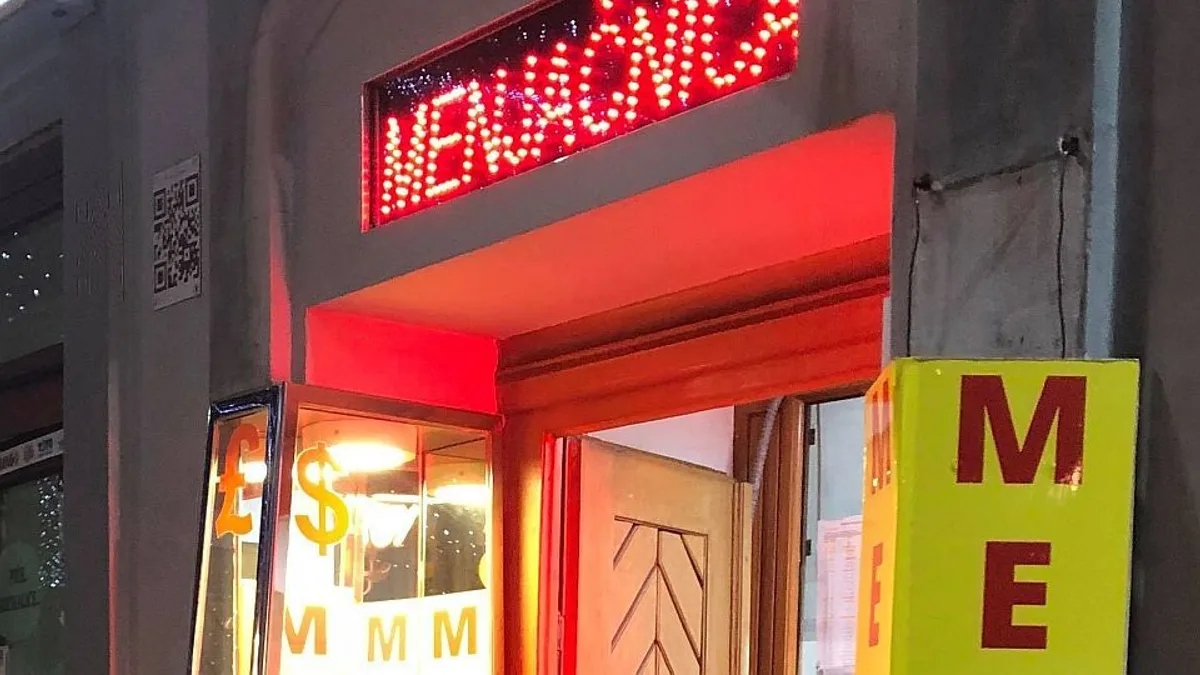
According to the Beta news agency, customers mostly buy between 100 and 2,000 euros, and only rarely up to 5,000 euros. Borislav Brujic, owner of the Pirana exchange office, says the most common request is for 300 to 400 euros, which at today’s middle rate comes to roughly 35,300 to 47,000 dinars. His office reports that demand is lower since this morning, but it is unclear how it will move through the rest of the day.
Brujic told Beta: “Larger euro buying began before the parliamentary elections on October 25.”
Milan Tadic, director of VIP exchange offices, says demand rose three to four weeks ago and that his customers buy anywhere from 100 to 5,000 euros. He told Beta: “Euro buying has increased, and selling has decreased.”
The Dunav exchange office says there is no reason to panic. It sources its euros from commercial banks, and heavier demand toward the end of the year, it explains, is not unusual.
Exchange offices may deviate from the NBS middle rate by no more than 1.25% in either direction. We previously reported on another central bank measure: exchange offices now have 30 days to return euros to banks.
How much has the dinar really weakened?
According to NBS data published by Mondo, the dinar is unchanged against the euro from a month ago. It is down 0.3% on the year and has lost 0.2% since the end of last year. Against the dollar the rate is 105.3008 dinars, which is 1.6% stronger than a month ago.
The official rate is therefore calm, even as counters sell more euros than usual. Nikolic does not deny that pressure on the dinar exists.
What does the NBS say?
Asked by Beta why demand for euros is up and why the dinar is edging lower, Nikolic said:
“Serbia does not have a fixed exchange rate, and it adjusts to movements on the interbank foreign exchange market. These days there is slight pressure on the dinar, which has led to a negligible depreciation of the domestic currency, but it is a temporary phenomenon.”
In his words, the NBS spent years as a net buyer of foreign currency, preventing the dinar from strengthening against the euro because the supply of foreign currency exceeded demand. On that basis, he said, Serbia built up high foreign currency reserves “which for the first time put us in a position to pass through this period of political transition without worry”.
This year looks different, though. According to the NBS foreign exchange reserves report for September, published in mid-October, the central bank has been a net seller of 475 million euros since the start of 2026, or about 55.8 billion dinars at today’s middle rate. That is the opposite direction from the years when the NBS was a net buyer.
Nikolic added that such an exchange rate policy is not sustainable if the disruption is structural and long-lasting. He also noted that exports are growing noticeably faster than imports. Exchange office owners, on the other hand, say that for now they are seeing a string of small amounts rather than large individual purchases.