Pristina Bans Electricity Trade With Serbian Companies
The government in Pristina has banned buying, selling, importing and exporting electricity with companies from Serbia and adopted two months of emergency supply measures.
The government of the provisional institutions in Pristina banned electricity trade with Serbian companies at its session on Monday, November 16. The ban covers buying, selling, importing and exporting electricity, whether directly or through transit or resale in one or more third countries. Emergency supply measures, valid for two months, were adopted alongside it.
Who does the ban cover, and who does it not?
Reports differ on the scope. According to Beta, whose news was carried by N1 and Danas, the ban applies to companies registered in Serbia and to those owned by Serbian citizens. RTS says it covers firms registered in central Serbia or owned by Serbian citizens, while Novosti and NS Reporter write about companies from central Serbia.
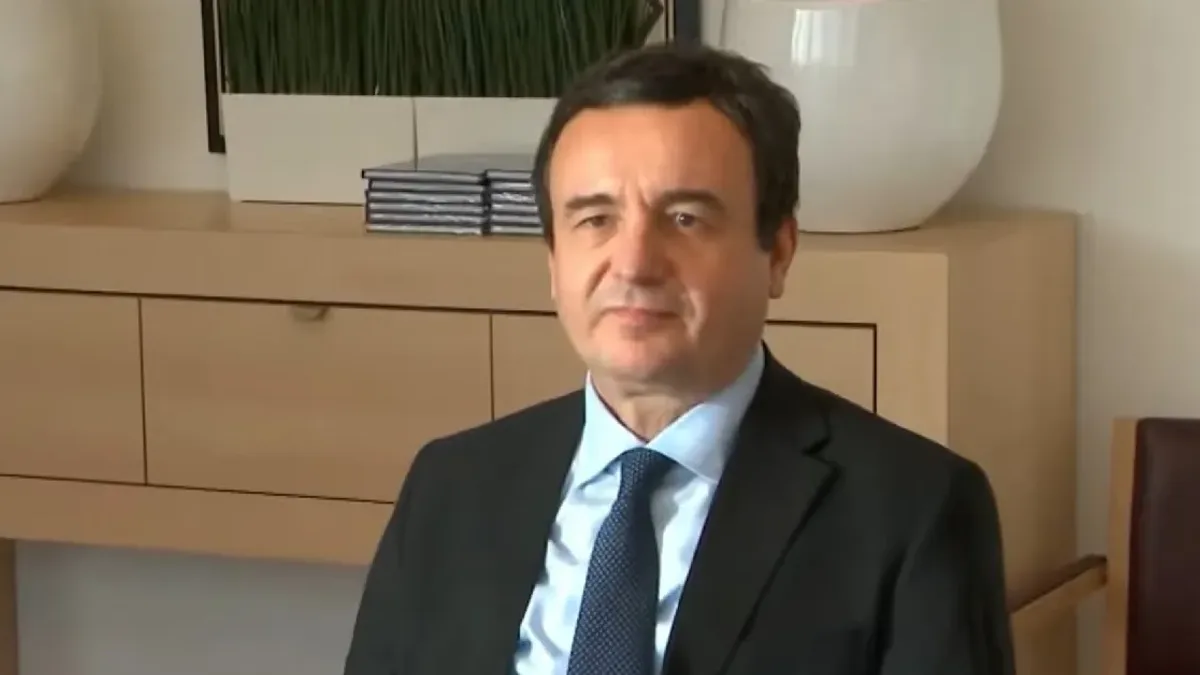
For now there is only one exemption. Albin Kurti, the prime minister of the provisional institutions, said at the session:
“At this stage, only the electricity supplier established under the Brussels Agreement on energy is exempt from the ban.”
That is the supplier set up under the Brussels Agreement on energy, and Kurti tied the exemption to “this stage.”
Why does Pristina say this answers the line blockade?
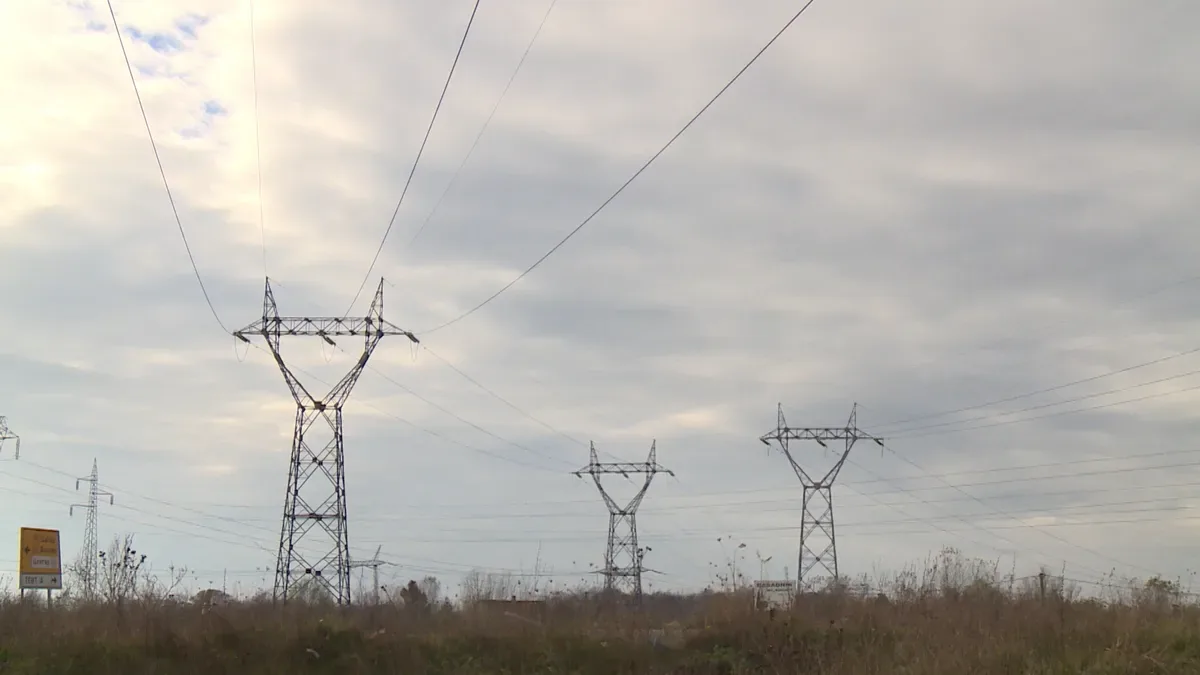
Kurti justified the decision by pointing to a blockade of cross-border power lines that, in his words, Serbia has carried out since December 2020. Since then Pristina has not been able to use them commercially for electricity trade and transit, and six years will be reached in December. According to him, two interconnectors are blocked, and on some days overloading of the lines toward Montenegro and North Macedonia sharply pushed up the price of electricity.
The prime minister presented the ban as a first step and announced that it could be tightened:
“The first step will be to stop electricity trade with Serbian companies as a measure against Serbia for blocking cross-border lines for trade, which could lead to escalation in the future if that approach does not change.”
He also stressed that Pristina is not refusing to buy electricity from Serbia. “Serbia’s blockade of the lines does not prevent us from buying energy from Serbia, because we want to buy it, but it prevents the use of this critical infrastructure for delivering transit energy from Serbia,” Kurti said.
He also cited a decision of the Ministerial Council of the Energy Community:
“Last December, the Council of Ministers of the Energy Community found that Serbia had breached the Treaty and obliged it to free the power lines no later than July 1, 2026. Now it is November 16, 2026.”
Kurti says an attempt to resolve the matter through European Union mediation produced no result. As of publication, we have not found any reaction from Elektromreza Srbije, EPS or the Serbian government.
Emergency measures for the winter
Alongside the ban, the government adopted a decision on emergency supply measures:
- Kosovo Energy Corporation (KEK) must secure a certain amount of cross-border transmission capacity for December, and the amount was not disclosed
- the company Ibar-Lepenac is obliged to sell electricity for public supply
- existing generation, including the Gazivode hydropower plant, will be used for consumers on universal service
- electricity saving is being introduced in public institutions
Kurti described the aim of the measures this way: “Our goal is to use existing capacities as efficiently as possible and to ensure stable supply for citizens and our economy.”
What kind of winter is ahead for Kosovo?
The decision comes while unit B1 of the Kosovo B power plant, with a capacity of 260 MW, is out of operation because of modernization and the installation of environmental protection systems. Energy experts have earlier warned that this could make supply harder in December and January and increase dependence on imports, NS Reporter reports. The same source says the provisional institutions’ Ministry of Economy previously announced that cross-border transmission capacity toward Albania was increased by 150 MW, and toward North Macedonia and Montenegro by 100 MW each. That announcement is not part of today’s decision.
Figures on domestic generation vary by source. According to the Energy Regulatory Office, installed capacity in Kosovo is 1,431 MW and operational capacity is about 1,099 MW. The Energy Community puts installed capacity for 2025 at 1,241 MW, and the International Monetary Fund gives 1,288 MW of nominal thermal power plant capacity. According to an N1 report, even if all existing capacities were running, Kosovo is short by up to 400 MW a day on average in winter.