Fitch Affirms Serbia at BB+, Lifts 2026 Growth to 3.5%
The agency also affirmed the short-term rating at B, puts public debt near 44% of GDP, and lists the budget, gas and NIS as the new government's urgent tasks.
Fitch Ratings on November 20 affirmed Serbia’s long-term issuer rating at BB+ with a positive outlook, and raised its 2026 economic growth forecast from 2.8% to 3.5%. The decision followed a scheduled review and was published at 5:01 p.m. New York time, or 11:01 p.m. in Serbia.
The short-term rating of B and the country ceiling of BBB- were also affirmed. The lead analyst for Serbia is director Małgorzata Krzywicka, and the rating committee was chaired by Todd Martinez. BB+ is one notch below investment grade.
How fast does Fitch expect Serbia to grow?
For 2026, the agency raised its estimate from the 2.8% it projected at the July review to 3.5%. Projections for the next two years are as follows:
- 2027, the year of Expo: growth of 4%
- 2028: growth of 3.5%
Fitch explains the positive outlook this way:
The Positive Outlook reflects prospects of sustained economic growth, stabilization of government debt/GDP at a low level relative to peers, and a record of resilience to external shocks.
This is the rationale behind the November 20 decision, as worded by the agency.
Deficit, debt and foreign exchange reserves
The budget deficit is expected to widen to 3% of GDP in 2026, from 2.4% in 2025. Fitch cites pre-election social payments, worth about 1% of GDP, and higher investment as the reasons. By 2028 the deficit should fall to 2.5% of GDP.
Public debt should stay at around 44% of GDP between 2026 and 2028. About 70% of the debt is external, and almost 80% is denominated in foreign currency. The current account deficit is expected to narrow to 4.1% of GDP from 4.6%, under pressure from costlier energy and the refilling of strategic oil reserves.
Foreign exchange reserves stood at 29.2 billion euros at the end of October. The National Bank of Serbia (NBS) was a net seller of 1.3 billion euros in the first ten months of 2026, compared with 580 million euros in all of 2025. Demand for foreign currency has been easing gradually since the October election. In November, the NBS raised its key interest rate by 25 basis points, to 6%.
Politics and banks: what changed in the assessment
Fitch removed a one-notch downward adjustment for structural factors, because political uncertainty has eased after the snap election. The student list won a clear majority, but the agency names its decentralized structure and lack of experience in government as a governance risk.
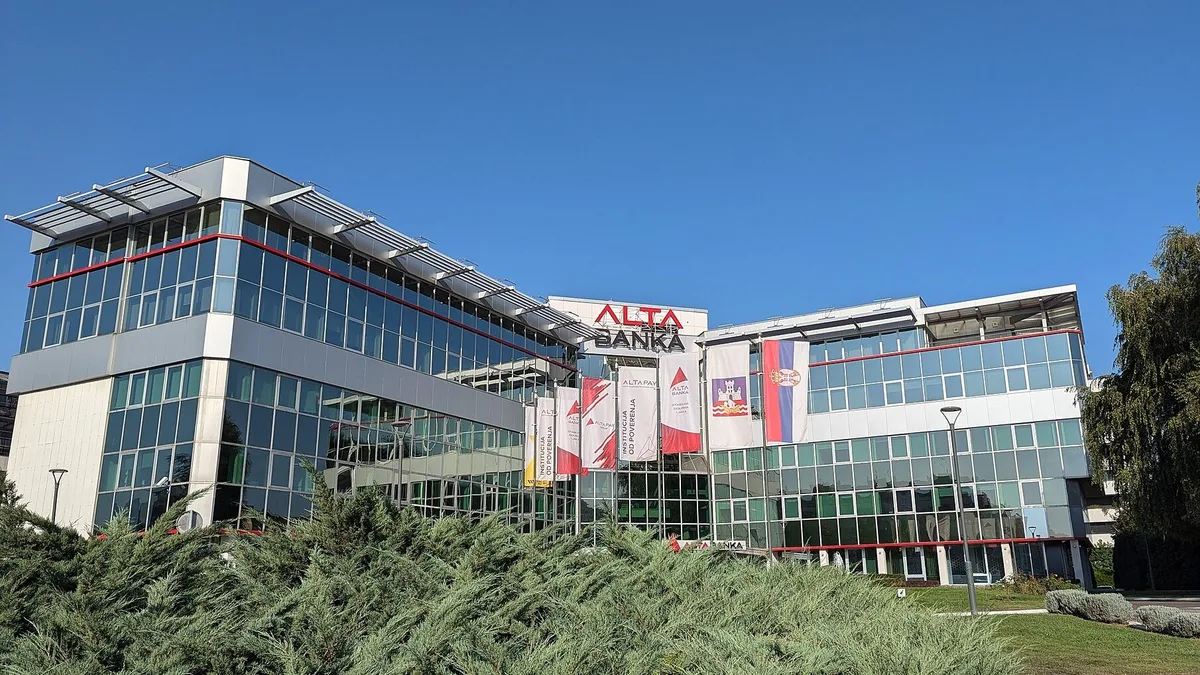
The agency also addresses the banking sector. At the end of October the NBS revoked the operating license of Alta Banka, which holds 3% of the sector’s assets. Postanska Stedionica, with 9% of assets, requested enhanced NBS supervision after pressure on its liquidity, but Fitch considers it well capitalized and liquid.
The agency singles out the new government’s priorities as follows:
Near-term priorities include budget preparation, negotiations over a new gas supply contract and finalization of the sale of the Russian stake in oil company NIS.
The outlook would be revised to stable if policy changes threaten growth or public finances, if foreign exchange reserves fall, or if public debt rises. The rating would be upgraded if confidence in policy continuity grows and governance improves.
How the Finance Ministry and the NBS responded
Finance Minister in the caretaker government Sinisa Mali said in a Ministry statement that Serbia remains just one step from investment grade at Fitch, and that the decision confirms stable economic foundations were built over previous years. He also said:
The decision of one of the three most influential global rating agencies is an important message to international investors, financial institutions and the business community that Serbia has strong macroeconomic fundamentals, a sustainable level of public debt and substantial financial reserves.
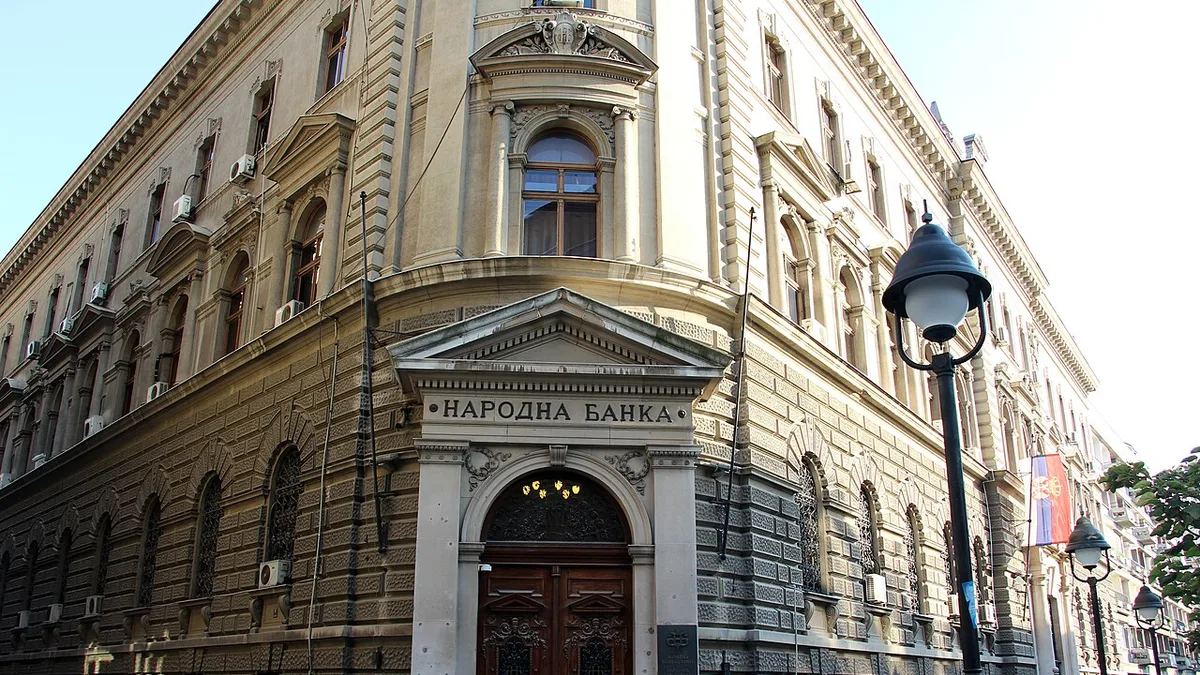
The NBS, in its own statement, describes the distance differently: the country is, it says, “half a step” from an investment grade rating. The NBS names consistent macroeconomic policies, exchange rate stability, responsible management of public finances, high foreign exchange reserves and a GDP per capita higher than in countries with the same rating as the pillars of the rating.