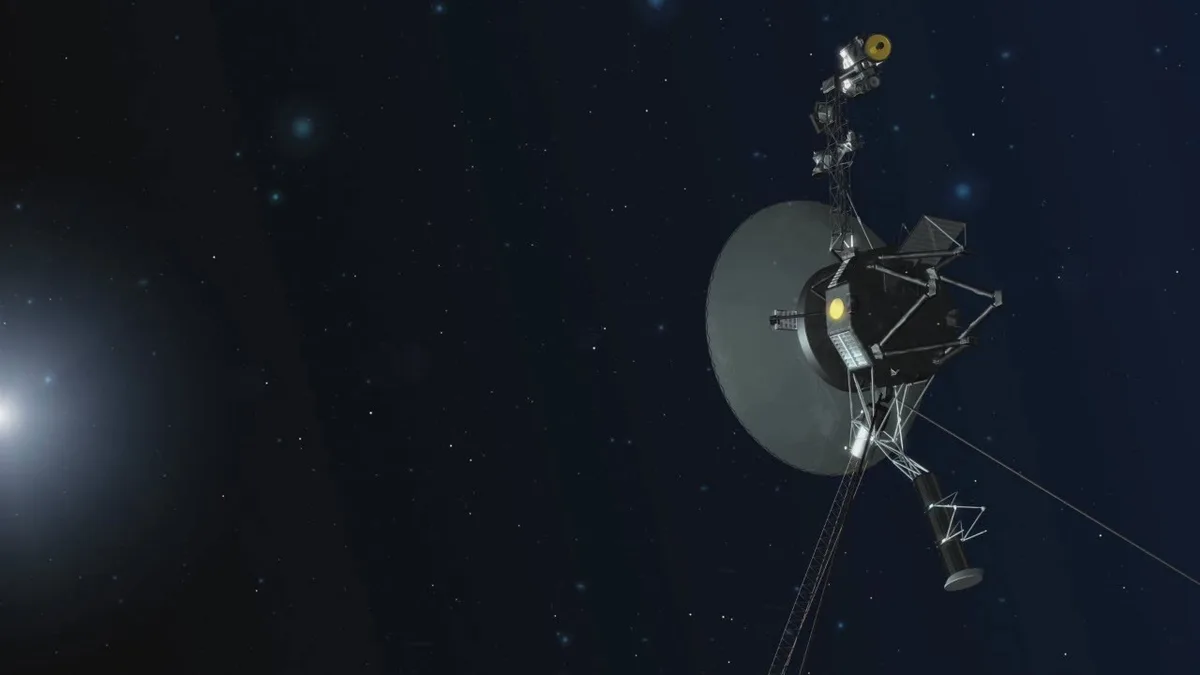
Perseverance and Odyssey Pause Science After Mars Faults
NASA has halted Perseverance's science after problems with both UHF radios, while Mars Odyssey lost a reaction wheel. Both aim to resume in late November.
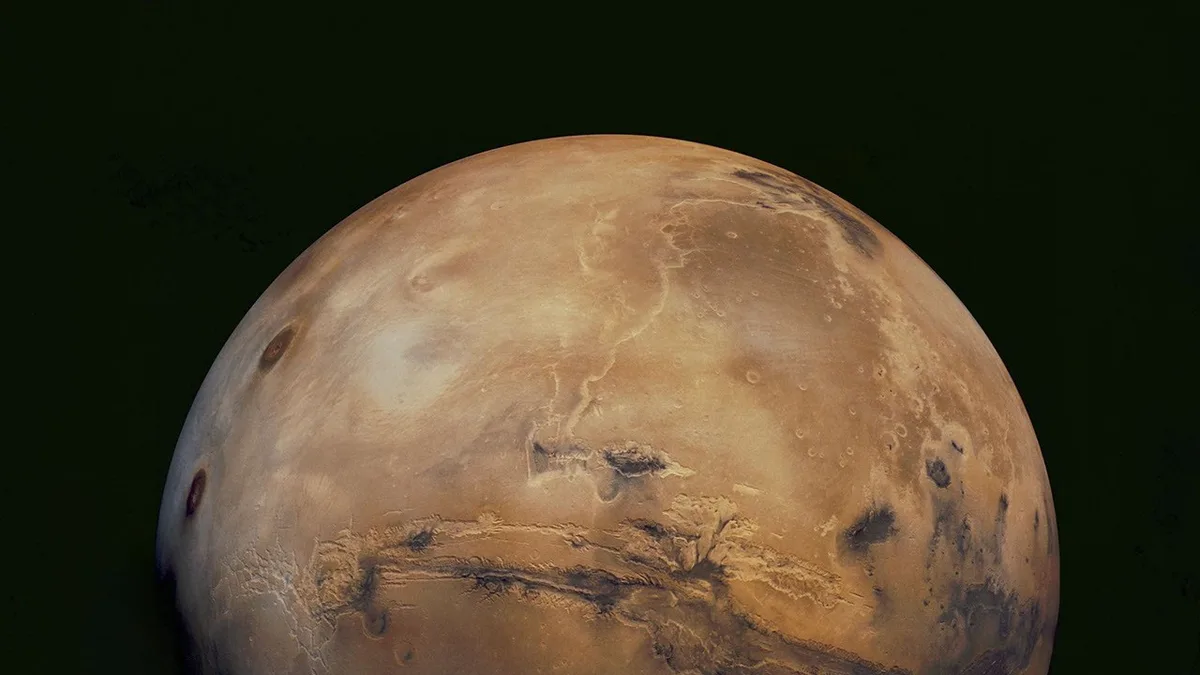
NASA announced at 1:51 p.m. on November 19 that the Perseverance rover has temporarily paused all science measurements on Mars because of problems with both of its UHF radios. The Mars Odyssey orbiter, meanwhile, no longer has enough working reaction wheels and is out of science and relay duty. NASA updated its Mars blog post on November 20. The agency describes two separate technical problems on two missions, and the Jet Propulsion Laboratory (JPL) in California is leading both investigations.
What happened to the Perseverance rover?
When the rover powered up for daily operations on October 30, its main data radio did not send the usual series of electrical signals, known as heartbeats, to the main computer. Twenty-five in a row were missing, roughly 100 seconds of silence. Fault protection then shut down the unresponsive radio, switched the rover to its backup UHF radio and put it into safe mode, which turns off every system that is not essential.
Steven Lee, the Perseverance project manager at JPL, explained how that protection works:
The rover’s main computer constantly listens for that signal. Every time it hears it, it resets a counter. But if the radio stops sending heartbeats because of a fault, after a certain number of consecutive missed heartbeats the computer switches over to the backup.
After the rover was brought out of safe mode, engineers used diagnostic data to identify a second problem: the backup UHF radio transmits at about half of its expected signal strength. The team has therefore stopped using both radios until it assesses the possible causes and at least one of them is declared safe.
Why did a radio problem stop the science?
UHF radios let the rover send large volumes of data to orbiters, which relay it to Earth. Without them, Perseverance is now connected directly to NASA’s Deep Space Network over X-band, using its high-gain antenna. That channel has far less bandwidth, so science and instrument measurements were paused to save capacity for diagnostic data. The rover is not taking new photographs at the moment, which is why the raw image feed on the mission website has stopped as well.
NASA says the rover is stable and in contact with the team. JPL has formed a team to examine how the backup radio is working and how to return it to service, and it will turn to the main radio only after that. The goal is to be back to science by the end of November.
Odyssey: a failed wheel and two months of fuel
Reaction wheels are flywheels that change a spacecraft’s angular momentum by speeding up or slowing down, which turns the craft. Together with thrusters, they keep it pointed in the right direction, for example with its solar panels facing the Sun.
Odyssey was in safe mode from November 4 to 6, and the investigation showed that one reaction wheel had stopped spinning. The orbiter has four wheels, one of which failed back in 2013, and at least three are needed for orientation. Without them it relies only on hydrazine thrusters, and the team estimates it has fuel for that kind of control for one to two months. The estimate is still being refined.
Odyssey is no longer in safe mode. Teams at JPL, which leads the mission, and at Lockheed Martin, which built and operates the spacecraft, are testing the faulty wheel. In one test the wheel moved on command, and further tests should show whether it can be saved. The aim is to return Odyssey to science and relay work in the last week of November.
The oldest active spacecraft at Mars
Odyssey launched in April 2001 and entered Mars orbit that October, designed for a little more than two and a half years of operation. It is now the longest-running mission around the Red Planet. It made the first global maps of the composition of the Martian surface, mapped water molecules in the top meter of soil, including buried ice, and as part of NASA’s relay network it carried the first images after the landings of Phoenix and of the Spirit, Opportunity and Curiosity rovers.
What is still unknown
NASA does not cite confirmed mechanical damage to the radios or a cause for the stalled reaction wheel. The outlet Aroged, which carried the same report, notes this explicitly, and NASA says only that the teams are still assessing possible causes. It also remains open whether Odyssey’s wheel can be recovered, since a single movement on command is a first sign, not proof. The return dates are the team’s goal, not a promise, and NASA has announced new updates once engineers learn more.