Cutura Releases Django, Second Single From Album 10 na 3, 4
The second single from the chamber album 10 na 3, 4 is dedicated to guitarist Django Reinhardt, and the song existed for years only as an instrumental.
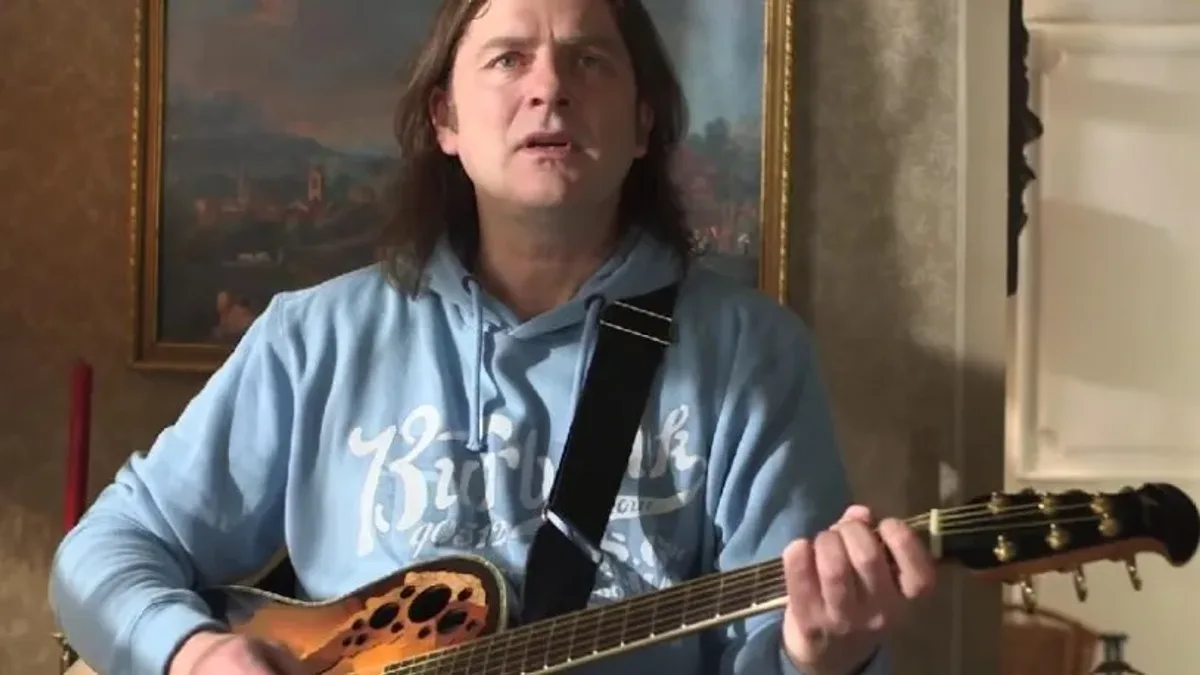
A song about Django Reinhardt spent years without a single word. Nikola Cuturilo Cutura used to play it as an instrumental, and when he finally decided to sing it, the lyrics turned out to be already inside the melody, waiting to be pulled out. That is how he describes the origin of the single and video “Django,” released on October 16 as the second preview of the chamber album “10 na 3, 4.”
“The story of the legendary Django came about spontaneously, out of the melodic line itself,” Cutura says, adding: “For years I played it as an instrumental, with no idea there would ever be words. When I finally decided to sing it, all I had to do was bring to life the lyrics that offered themselves, hidden just beneath the surface of the melody.”
“Django” is a tribute to the Belgian guitarist and composer Django Reinhardt (1910-1953), the founder of gypsy jazz. It opens the album and is the only completely new song on it, so the rest of the release revolves around it like around an announcement: the other nine are songs already heard.
What else is on the album “10 na 3, 4”?
Cutura wrote the remaining nine songs over the years for other performers or for television series, and recorded some of them himself, but none made it onto his regular albums. Now they are gathered in one place, in stripped-down arrangements for voice, piano and guitar. He recorded the album with pianist Ivan Aleksijevic Pancevac, and it will be released by the label Long Play on vinyl, CD and digital platforms. No release date has been announced.
The first preview single was a new version of the Riblja Corba song “Crvena su dugmad pritisnuta.” The album comes with a book, “Od zadnje do prve” (From Last to First), Cuturilo’s first collection of his texts in book form.
Why is the album called “10 na 3, 4”?
The answer is arithmetic, and Cutura gave it in the album announcement without embellishment:
“It’s very simple. There are 10 tracks and we got ready to play them ‘on 3, 4.’ No overdubbing, everything was played and sung ‘in one go,’ in ‘a session and a half,’ in seven, eight hours. We were just chasing an adequate, good ‘take.’”
The title doubles as a work order: ten songs, a session and a half in the studio, and no extra layers to polish what was played. For an author whose songs lived for years in other people’s performances and on screen, the method makes sense, because it returns them to where they started, a voice and two instruments. “It’s the fastest album I’ve ever made,” Cutura said.