Fiber Is the New Protein: 2026 Nutrition Trends
Fiber-maxxing is taking over social feeds, and dietitians predict fiber could push protein off its throne as the most wanted nutrient.

- Dietitians predict fiber could dethrone protein as the most wanted nutrient in 2026.
- The fiber-maxxing trend has flooded social media, focused on the microbiome and fullness.
- Plant-based eating is returning to whole foods instead of ultra-processed meat substitutes.
- The GLP-1 drug era is shifting choices toward smaller portions rich in protein and fiber.
Wondering what to put in your basket for weekend cooking so it lands as both healthy and on-trend? This year the answer is not protein, it is fiber.
Dietitian Jamie Miller says a shift is coming to the plate. After years of obsessing over protein shakes and bars, the focus is moving to a nutrient we have long overlooked.
“Fiber could dethrone protein as the most sought-after nutrient,” Miller says.
On social media the trend already has a name, fiber-maxxing. The idea is simple. Pack as much fiber as you can into every meal, because it feeds the helpful bacteria in your gut and keeps you full for longer.
What exactly is fiber-maxxing and why is everyone talking about the gut?
Fiber-maxxing means deliberately choosing high-fiber foods at every meal. The goal is not only digestion, it is a healthy microbiome.
When gut bacteria break down fiber, they produce short-chain fatty acids. These have an anti-inflammatory effect and benefit the whole body, not just the gut.
The other reason is fullness. Fiber slows digestion, so it is easier to make it to the next meal without nervously opening the fridge.
Here are the foods worth keeping in your kitchen:
- Cereals and bread high in fiber
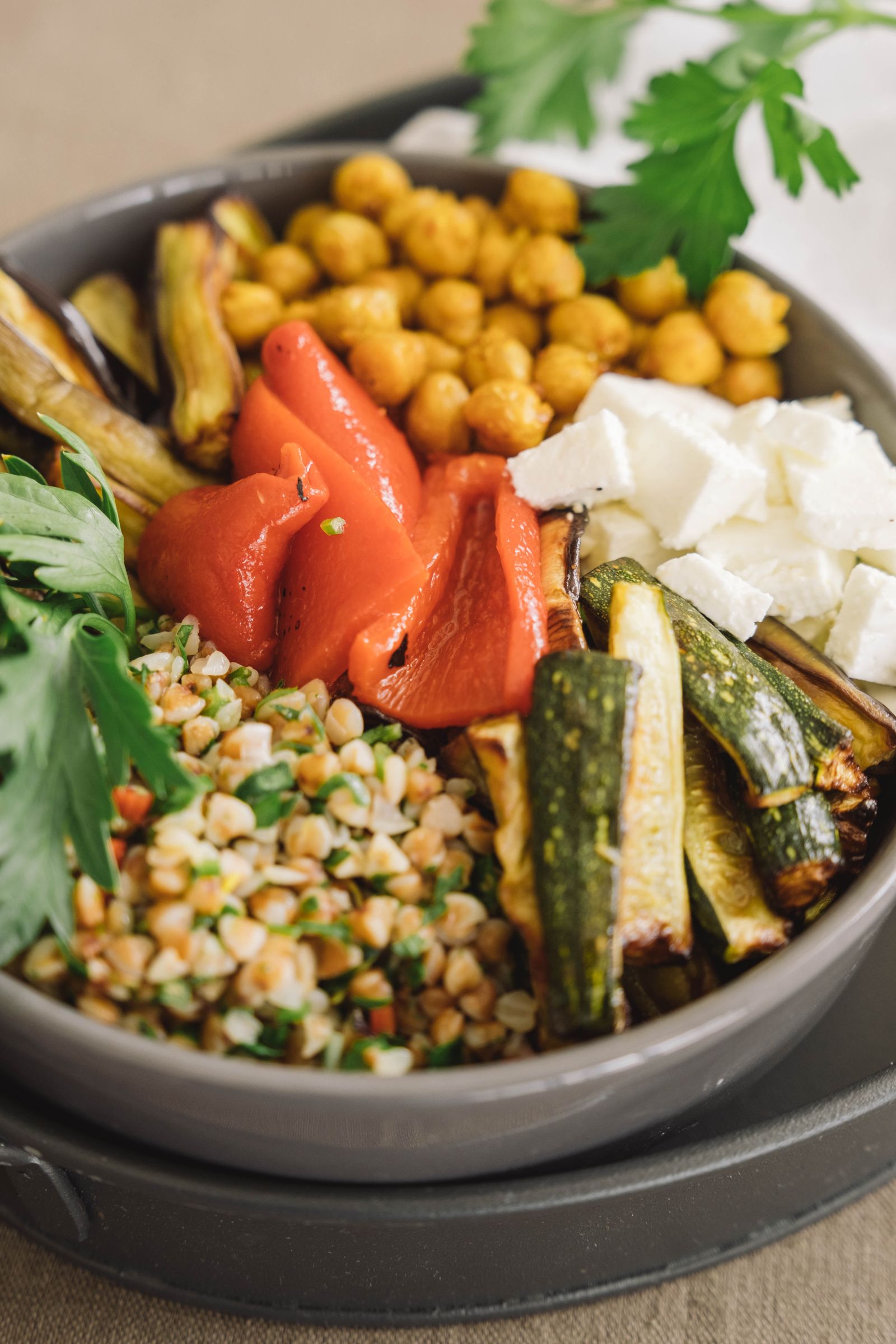
- Lentils, chickpeas, tempeh and peas
- Chicory root
- Fermented foods: yogurt, kefir, kimchi, sauerkraut
How are GLP-1 drugs changing our plate?
The era of so-called GLP-1 weight-loss drugs has changed how people choose food. Because these drugs reduce appetite, portions are smaller, so every bite has to carry more value.
That is why those smaller plates increasingly feature foods rich in both protein and fiber at once. Legumes are ideal here because they deliver both.
Plant-based eating is following the same direction. Instead of ultra-processed meat substitutes, more people are choosing whole foods like lentils, chickpeas, tempeh and peas.
For weekend cooking that means one simple step: lentil soup, a chickpea salad, or a tray of whole-grain cereal with roasted vegetables. A practical tip is to add a spoonful of a fermented side to every meal, such as sauerkraut or kimchi.
If you are just starting, do not change everything at once. Your body needs time to adjust to more fiber, so introduce one food at a time and drink enough water.
Which legume are you planning to add to your next meal first?