Iranian Hackers Kept UK Power Plant Offline for Four Days
Britain's Telegraph reported that hackers linked to Iran's regime shut down a small British power producer in late July, in a wave of attacks that also hit water utilities in the United States.

A British energy facility sat offline for four days in late July 2026 after hackers linked to Iran’s regime shut it down, the Telegraph reported on August 22. According to that report, it is the first known case of Iranian hackers successfully knocking out a facility of this kind in the United Kingdom, and the public only learned of the incident a month later. British officials have not named the affected facility, citing security reasons.
Warnings that China, Iran and Russia are behind the most serious cyberattacks on Britain had already surfaced earlier this year. The head of the UK’s National Cyber Security Centre (NCSC), part of the GCHQ intelligence service, Richard Horne, warned that his agency logs roughly four serious attacks a week from those countries, and that Britain could become a target “on a much wider scale” if it were drawn into an international conflict. Cyberattacks have already hit British companies Jaguar Land Rover and Co-op hard.
The affected site is a small power producer, according to the report, so the shutdown did not threaten supply across the wider British grid. The plant stayed offline for four days while staff worked to bring it back into service. The incident was reported to the NCSC, which handles serious cyber incidents affecting British organizations. After the attack, the government held briefings for energy companies and sent warning letters across the industry.
Sources disagree on the exact timing of the attack. The Telegraph, the source every available report cites, places the incident in late July 2026, according to the Jerusalem Post’s account of that reporting, while other outlets describe it more loosely as having happened “last month,” without a precise date.
British officials insist the fallout is negligible against the capacity of the grid as a whole.
Britain has a highly resilient energy system. We work closely with the energy sector to protect infrastructure and maintain the highest security standards. This incident involved a small electricity producer, and at no point was there a risk to the wider energy system.
A UK government spokesperson gave that statement to the Telegraph on August 22, 2026. A UK government source was even blunter about the scale, telling the same paper:
This is a very small facility, less than a rounding error against the capacity of the grid.
Investigators are examining the theory that the attack was meant to show that hackers close to the Revolutionary Guard can breach British systems and disable sensitive infrastructure, even when the target is small. The attack on the British power plant coincided, according to the report, with a series of attacks on water utilities in the United States, where more than 30 municipal water systems were hit across Minnesota and other states, 12 states in total.
Joe Slowik, director of threat intelligence at Dataminr, addressed the scale of the wave of attacks on critical infrastructure.
There were disruptions across multiple critical infrastructure sectors. That’s a big deal.
In response to the growing number of attacks, GCHQ has drawn up plans for an AI-driven national cyber shield, reportedly the first of its kind anywhere in the world. The system is expected to go live within the next two to five years and would use AI agents to detect and report threats to critical national infrastructure, airlines, telecom firms and other major systems, in an effort to head off future attacks.
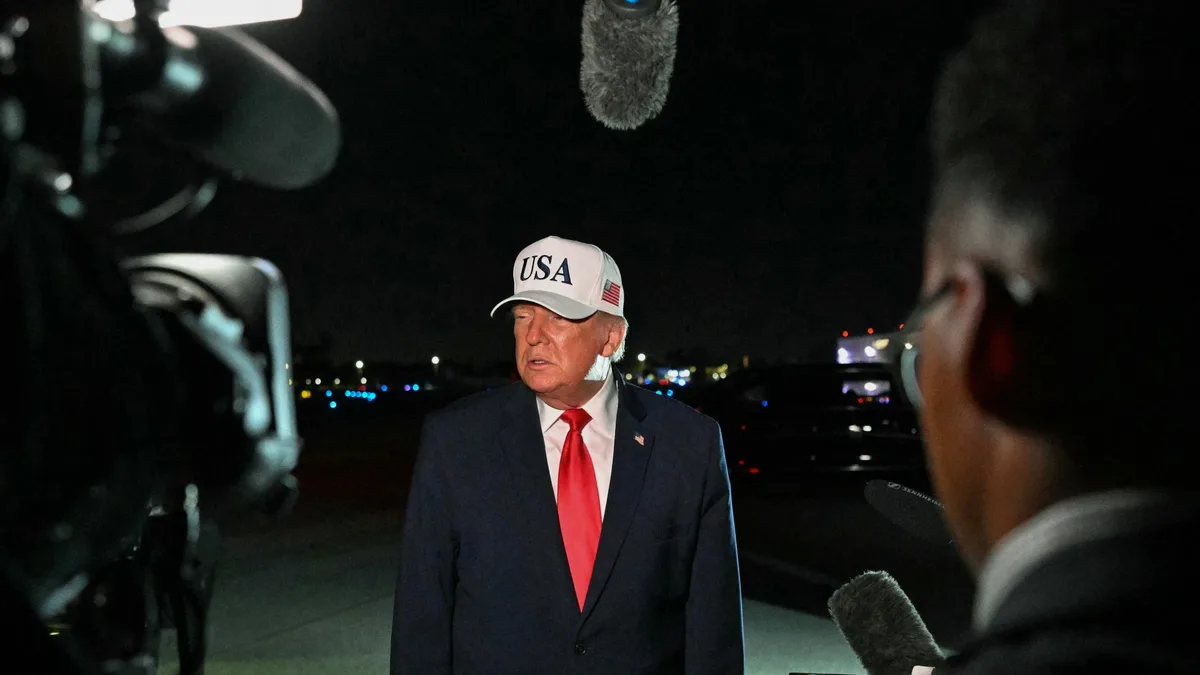
What this story does not establish is that the Iranian state bears official, formal responsibility for the attack. British officials describe the hackers as “linked to” or “close to” Iran’s regime, not as acting on a direct state order, and the attacking group’s identity and exact affiliation have not been made public. US President Donald Trump said in late July that he does not believe Iran was behind the parallel wave of attacks on American water utilities, a sign that the link to Tehran, though asserted by the source, has not yet been independently and officially confirmed on all sides. Also undisclosed: exactly which facility was hit, the precise date of the attack, and whether this is an isolated case or part of a broader pattern that British agencies are still mapping.