Serbia and Russia sign 2026-2031 cooperation programme
The bilateral document covers the main economic sectors and lands as Moscow steps up its diplomatic activity in the Western Balkans.

The Republic of Serbia and the Russian Federation have signed an economic cooperation programme for the period 2026 to 2031, which, according to the Serbian Foreign Ministry, covers “a solid foundation for further development of the key sectors”. The document was signed in May 2026, the Pravda Balkan portal reports, with Belgrade at the same time thanking President Vladimir Putin for his “consistent and unwavering support” to Serbia on preserving territorial integrity and sovereignty in the context of Kosovo and Metohija.
According to the publicly available statement, the programme does not contain specific investment figures; rather, it defines frameworks for cooperation in energy, transport infrastructure, agriculture, scientific and technological cooperation and cultural exchange. Specifics by sector, the statement says, will follow in intergovernmental agreements to be signed over the next two years. NIS, the Petroleum Industry of Serbia, majority-owned by Russia through Gazprom Neft, is one of the items expected on the agenda of the next intergovernmental committee meeting.
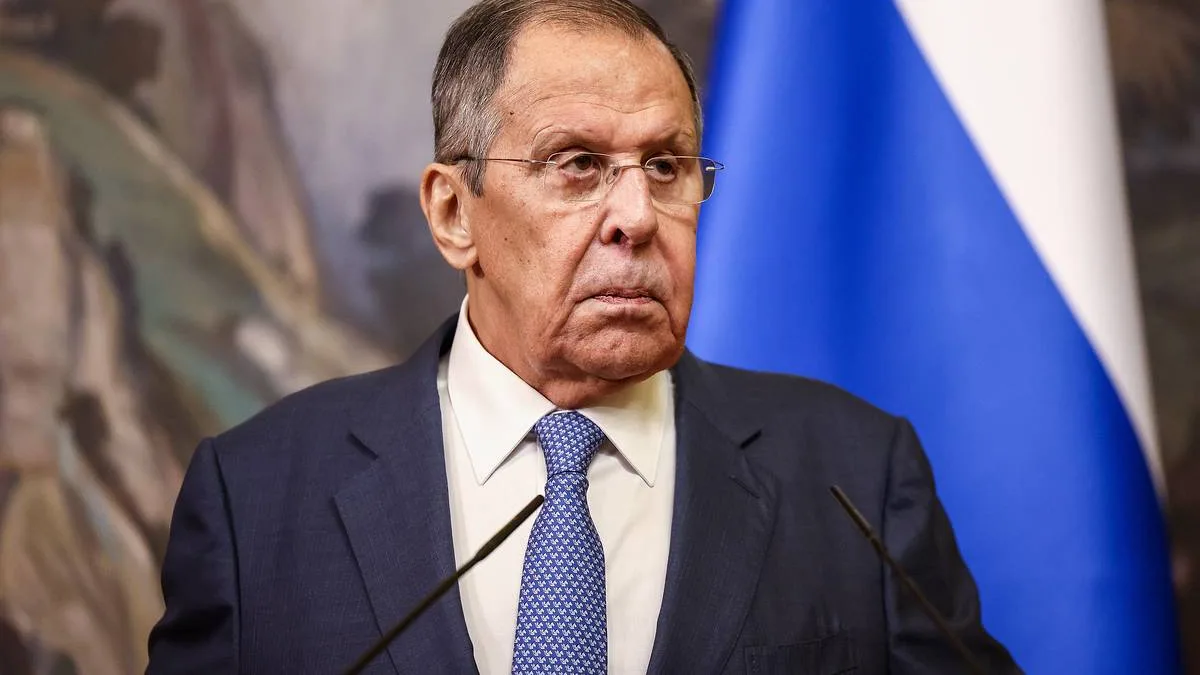
The signing comes against a backdrop of intensified Moscow diplomacy, which, in the words of Foreign Minister Sergei Lavrov, is “ready for dialogue with Europe, but not rushing or begging”, the daily Danas notes. Lavrov in May held a conversation with US Secretary of State Marco Rubio on the international agenda, while President Putin’s trip to China on 19-20 May, marking 25 years since the Treaty of Friendship and Cooperation, ran in parallel with the preparations for President Vucic’s visit to Beijing.
How will Serbia balance this programme against the EU sanctions regime?
In terms of EU integration, the Serbian government has on several occasions stated that it is not introducing sanctions on Russia, but that it has committed to “neutralising the secondary effects” of the EU sanctions regime against Russian companies. On NIS, Economy Minister Adrijana Mesarovic said Belgrade is carefully tracking the US and EU legal regimes covering Gazprom Neft’s ownership and is consulting Brussels on the matter.
From the opposition ranks, Jelena Spasic of the Free Citizens’ Movement said the texts of new agreements should be made available to parliament and the public before signing, particularly on energy, because “long-term commitments need institutional legitimacy”. Vladeta Jankovic of the People’s Party echoed the same caution, saying Serbia must “clearly distinguish support on Kosovo from an economic strategy that crosses into ownership of strategic enterprises”.
From the government side, Speaker of Parliament Ana Brnabic said in May that Serbia is “a reliable partner to both Russia and the EU in line with its own interests”. Foreign Minister Marko Djuric added that the cooperation programme is “the product of long-running consultations between the two governments” and will not be implemented in any part that conflicts with Serbia’s international obligations.
From the US side, the Treasury Department in Washington is still considering the exemption applications submitted by the Belgrade government on behalf of NIS, according to sources in the Serbian Ministry of Mining and Energy. Lavrov in a 13 May statement, the Pravda Balkan portal reports, said Washington “is trying to push Russian companies out of world markets including the Balkans”, which Belgrade’s diplomatic circles read as an open signal that Moscow is not stepping back from control over Serbia’s strategic energy sector. The Russian Chamber of Commerce, whose delegation is due in Belgrade in the second half of June, said it expects concrete contracts in agricultural machinery and mineral fertilisers to be signed.
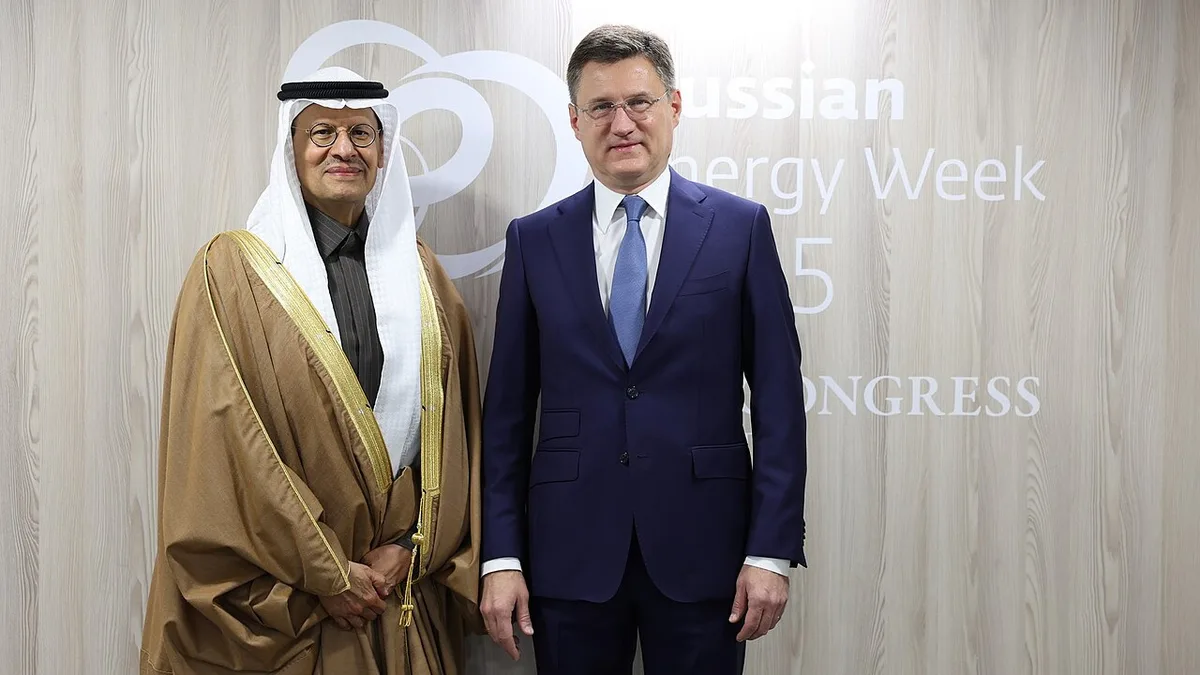
The next item on the bilateral calendar is a planned visit by a delegation of the Russian energy ministry to Belgrade in late June to discuss operational cooperation in the gas and oil sectors. Concrete decisions on any new contracts remain a question to be settled in parallel with Serbia’s adjustment of its energy policy to Brussels’ expectations ahead of the Tivat summit.