EU Condemns Paunovic, Dacic Calls Attacks Hypocritical
A Serbian minister's remark on ethnic cleansing has become a foreign policy problem. Brussels responded, Ivica Dacic defended his minister, and a crack opened at the top of the Socialist Party.

- European Commission spokesperson Anitta Hipper responded on July 14 to Minister Snezana Paunovic's remark, saying there is no place in Europe for rhetoric that justifies and advocates ethnic cleansing.
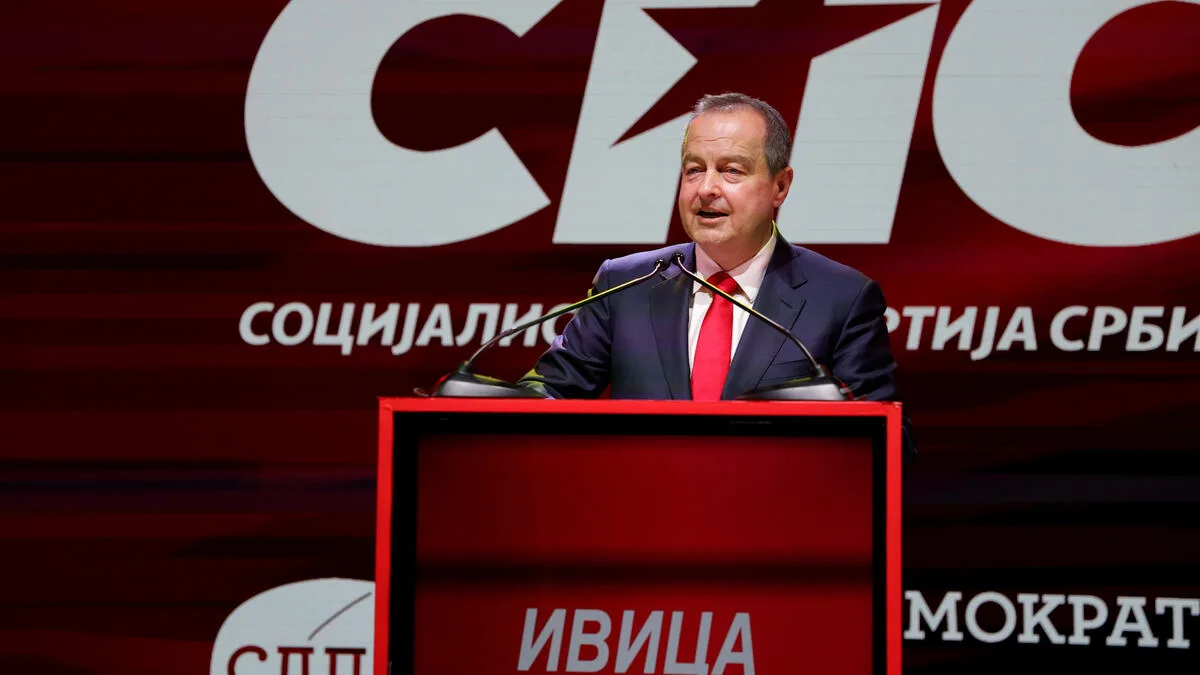
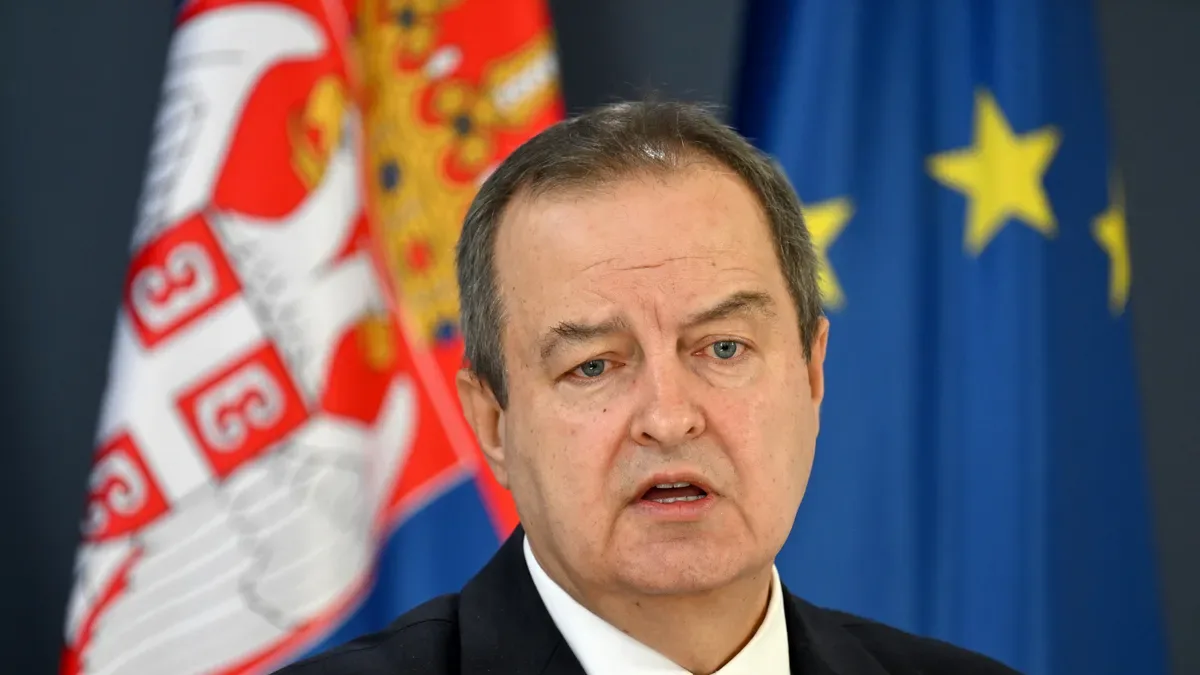
- Ivica Dacic, deputy prime minister and leader of the Socialist Party of Serbia, called the attacks on Paunovic shameful and hypocritical.
- SPS deputy leader Branko Ruzic distanced himself from the remark, saying ethnic cleansing was never his party's policy.
- The National Convention on the EU working group for Chapter 35 is demanding her dismissal, and both the Movement of Free Citizens and Serbia Centre have called for her resignation.
The remark on ethnic cleansing made by Snezana Paunovic, minister of public administration and local self-government, stopped being a domestic argument the moment Brussels spoke. European Commission spokesperson Anitta Hipper responded on July 14 with the message that there is no place in Europe for rhetoric that justifies and advocates ethnic cleansing. The reaction came from the institution that runs the accession process with Serbia, which turned the difference between a political gaffe and a foreign policy problem into something visible overnight.
The answer from the top of government was not distancing but defence. Ivica Dacic, deputy prime minister, interior minister and leader of the Socialist Party of Serbia, to which Paunovic belongs, judged the attacks on the minister to be shameful and hypocritical. Dacic said that those accusing her of calling for ethnic cleansing have for years kept silent about the ethnic cleansing of Serbs from Kosovo and Metohija. To support that argument he cited figures on the decline of the Serb population in Pristina, from 40,000 to 50,000 in 1991 down to roughly 400 today, and in Prizren, from 10,000 to around twenty.
That defence, however, was not unanimous. SPS deputy leader Branko Ruzic said he was convinced that the policy of ethnic cleansing had never been the policy of the Socialist Party of Serbia. This is a crack that rarely opens in a party known for its disciplined public front: while the party leader defends the minister, his deputy distances himself from the remark itself. The corridors will read that gap as a signal that the party leadership does not agree on how expensive the statement really is.
Why does this hit Chapter 35?
Chapter 35 is the negotiating chapter covering normalisation of relations with Pristina, and it is the most sensitive point on Serbia’s European path. It is measured not only by signed agreements but also by what Brussels calls the spirit of dialogue, and the rhetoric of state officials feeds directly into that assessment. That is why the telling detail is which body spoke up: the National Convention on the EU working group for Chapter 35 called on Prime Minister Djuro Macut to dismiss Paunovic under urgent procedure, and on Dacic to expel her from the party.
On the opposition side the demands are louder and more specific. The Movement of Free Citizens sought her immediate dismissal, saying she portrays Albanians in a racist manner as lesser beings. Serbia Centre demanded an urgent statement from Prime Minister Macut over what it called the minister’s scandalous and dangerous remark. Part of the opposition is seeking her resignation over hate speech against Albanians, and has also asked the prime minister to apologise.
What is being measured next
The prime minister’s silence is, for now, the loudest part of the story. Calls for dismissal have come from the opposition and from part of the expert community gathered around the National Convention, and the government has yet to offer an official position. Until it does, Brussels is reading Dacic’s answer rather than the cabinet’s.
Politics runs on two different clocks here. The domestic one rewards defending the minister, because it sends voters the message that Serbia does not bow its head before Brussels. The negotiating one turns every sentence like this into a footnote in the next progress report. The bill does not arrive on the day the statement is made, but on the day the report is published.
One question is still waiting for an answer: will Prime Minister Macut stand behind his minister, behind his party, or behind the negotiating process?