Parliament Opens Budget Revision Debate, NADA Boycotts
Serbia's parliament opened a special session on Monday with 59 agenda items, led by the 2026 budget revision presented by Finance Minister Sinisa Mali. The NADA coalition refused to attend.

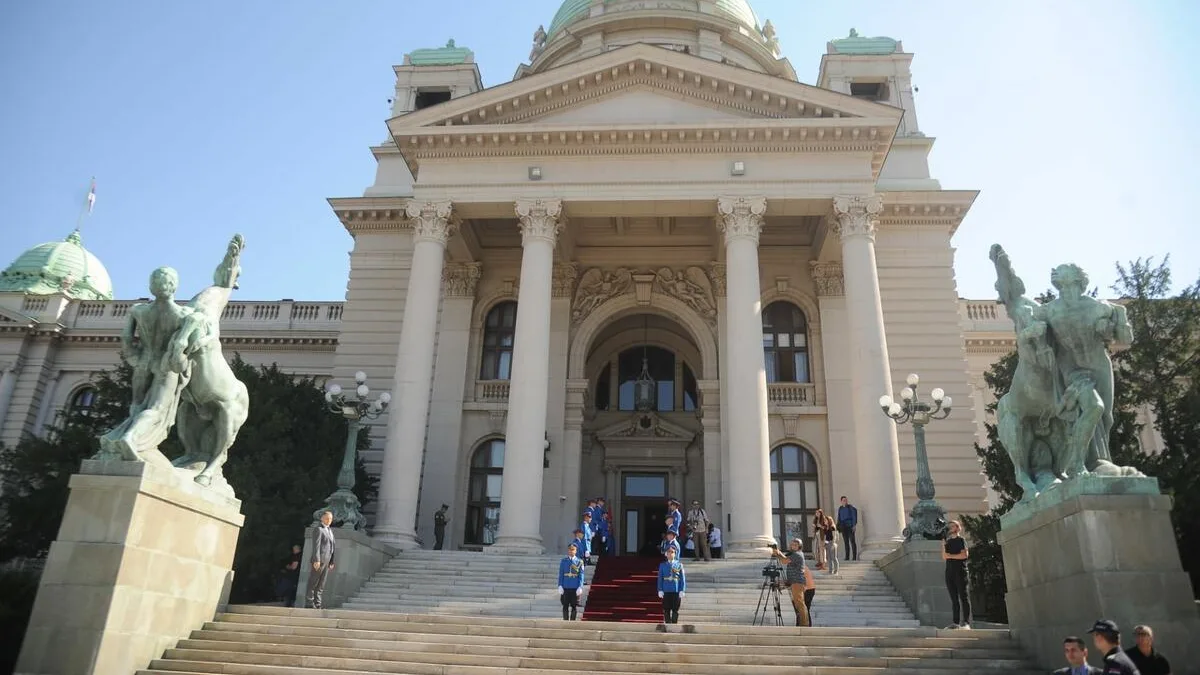
The National Assembly’s tenth special session opened on Monday, August 24, just after 10 a.m., called at the request of 109 lawmakers. The session is chaired by parliament speaker Ana Brnabic, and the first of 59 items on the agenda is the proposed revision of the 2026 budget. At the start of the debate, 148 lawmakers were present in the chamber, with the government represented by First Deputy Prime Minister and Finance Minister Sinisa Mali, along with ministers Jelena Zaric Kovacevic and Djordje Milicevic.
Before the session began, Srpske Vesti reported that lawmakers would take up 59 agenda items that day. What was not yet known was that the NADA coalition would not enter the chamber at all. New DSS leader and head of the coalition Milos Jovanovic said NADA was staying out of the session because, in his words, it did not want to lend legitimacy to the current government.
What the revision brings
Under the proposal the government adopted on Thursday, August 20, the budget grows by 112.45 billion dinars, to a total of 2,527.15 billion dinars. Presenting the proposal, Mali laid out the main figures:
- capital investments are planned at 779.9 billion dinars, around 7 percent of gross domestic product
- healthcare gets an extra 28.3 billion dinars, education more than 530 billion, defense 315.9 billion dinars
- the aid package for citizens is worth 980.6 million euros
- projected GDP growth is 3.3 percent, GDP at year end is put at 95.3 billion euros, and public debt at the central level at 43.8 percent
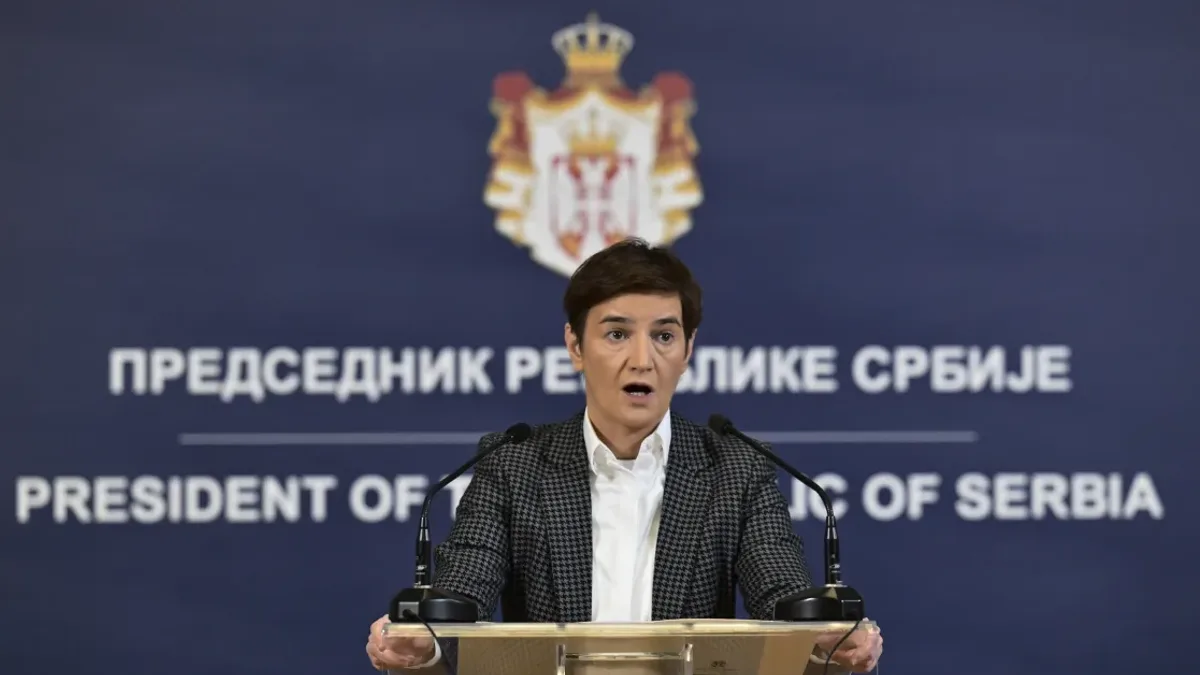
“With the 2026 budget revision, we continue to look after our citizens while also investing heavily in capital projects,” Mali told parliament.
Part of the payment schedule is already set. “Applications for the one-time payment of 6,000 dinars will open on September 7,” the finance minister said, noting that applications close on September 21, with the money arriving between September 22 and 25. Pensioners will receive a one-time payment of 20,000 to 35,000 dinars on September 14, socially vulnerable citizens will get 25,000 dinars, and war veterans 10,000 dinars.
Mali also announced a change to the minimum wage. “The minimum wage will be raised from 550 to 600 euros starting January 1,” he said. He also flagged a coming decision on wages and pensions.
“Over the next 10 to 15 days there will be a decision on the size of the increase in wages and pensions, and it will be bigger than the one in December or January,” Mali said from the podium.
Reactions from both sides
The opposition greeted the proposal with criticism. Danijela Nestorovic of the Ecological Uprising accused the government of buying votes with the money of Serbia’s citizens. Dusan Nikezic of the Party of Freedom and Justice called the revision a desperate attempt to buy votes and warned of fresh borrowing. Lawmakers from the ruling side rejected those assessments as unfounded and insisted the revision continues earlier economic policy rather than being a pre-election move.
While the debate continued in the chamber, the process moved forward elsewhere too: the parliament’s Agriculture Committee adopted the budget revision under urgent procedure, giving the proposal another endorsement ahead of the plenary vote.