Petrov on Student Wiretapping: Nothing to Hide
Constitutional Court chief Vladan Petrov said wiretapping of students would not necessarily mean the state was involved, sparking backlash from students in blockade and the SRCE party.

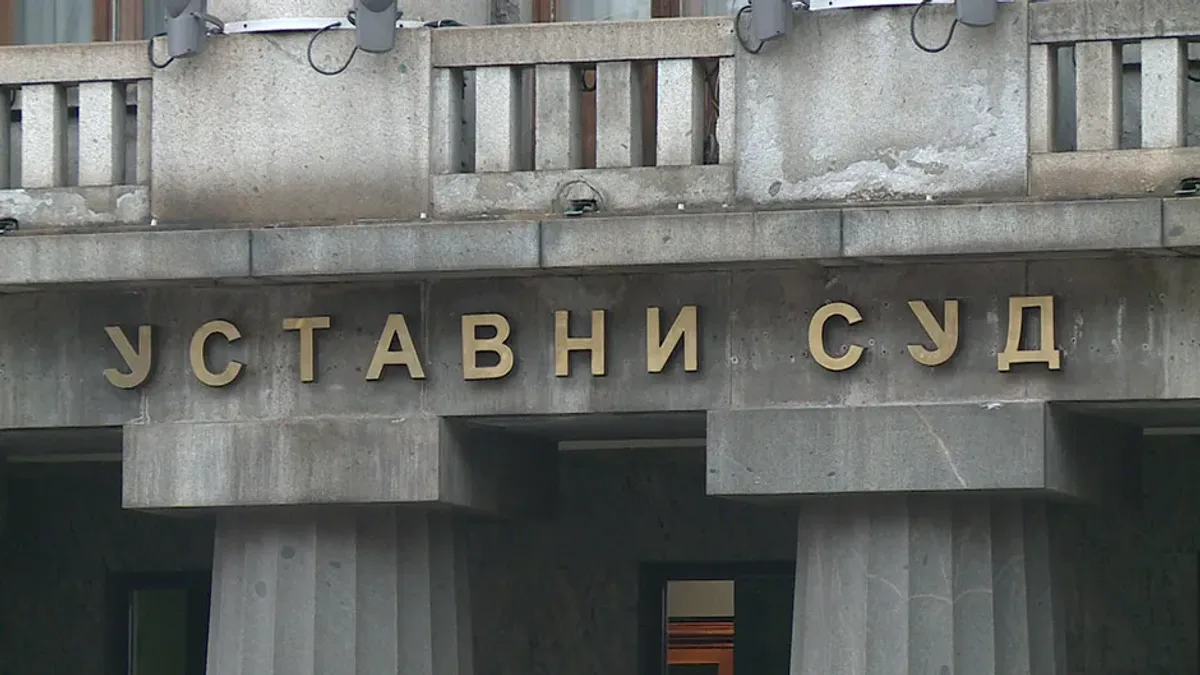
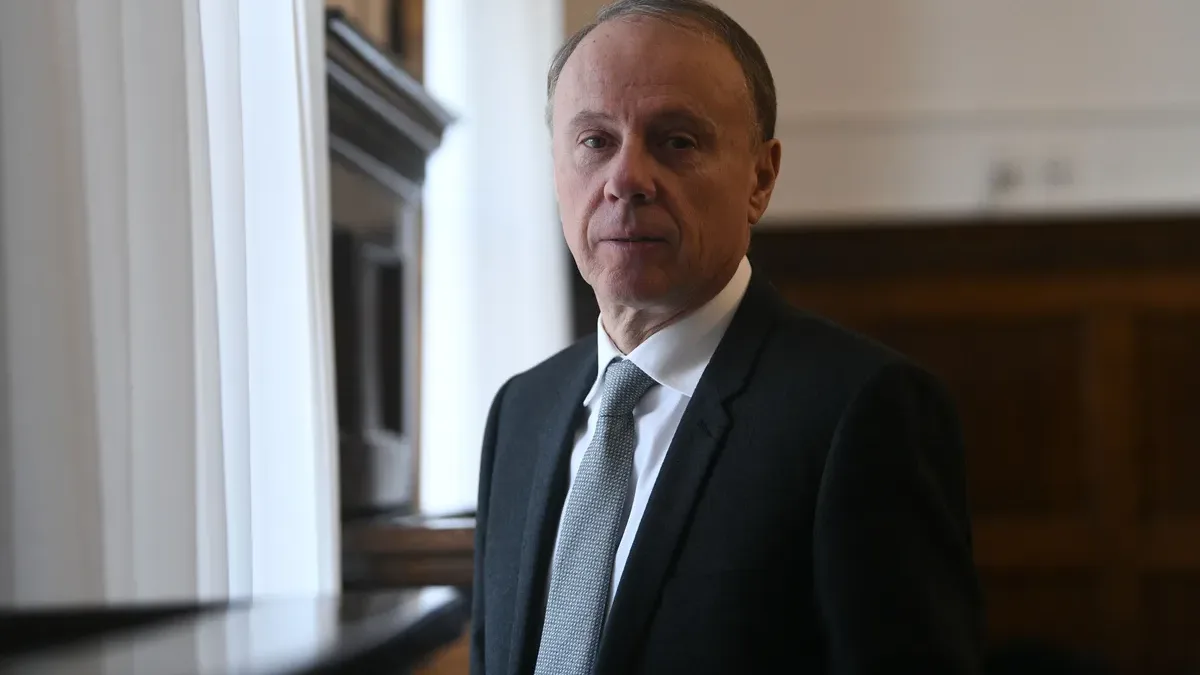
Vladan Petrov, president of Serbia’s Constitutional Court and a professor of constitutional law at the University of Belgrade Faculty of Law, spoke on September 4, 2026, about allegations that at least 14 students in blockade, activists and opposition politicians had been targeted by advanced spyware, reportedly including Pegasus. Appearing on the morning show “Novo jutro” on Pink TV, Petrov refused to call this kind of surveillance espionage, arguing that espionage targets the state, not individuals.
“Well, that’s not espionage, you spy on the state. You can, say, spy on the Constitutional Court, on the president of the Constitutional Court, on the president of the Republic, on certain sectors of the state, and so on. This could be some unauthorized, possible recording, wiretapping, and so on,” Petrov said, adding a line that further downplayed the case: “If it happened at all.”
This marks the first official domestic comment on the affair since, according to earlier reports, the United States Congress also addressed it. The remarks came after a press conference at which students in blockade said advanced spyware had been planted on their phones. According to their claims, the SHARE Foundation determined that at least 14 people from their operational teams and from opposition ranks had been targeted starting in early 2026 at the latest, with the findings additionally verified by the international digital forensics labs Citizen Lab and Amnesty International’s Security Lab.
Who Petrov Says Is to Blame for the Wiretapping
The Constitutional Court president went a step further than just quibbling over terminology, disputing that the Serbian state was behind any surveillance, and noted that the question could only be settled in court.
“It’s possible that someone did wiretap them, but who says it was the state of Serbia that wiretapped them? That can only be established through court proceedings.”
Petrov leaned on the explanation given by the Security Information Agency (BIA), which a day earlier, on September 3, had dismissed the students’ claims, calling them “plain, trivial sensationalism” and linking them to individuals and organizations that, in its assessment, work in the interest of foreign services. The Constitutional Court president said he is “a man of the state” and therefore gives official explanations the benefit of the doubt first, adding that he himself does not doubt he is under surveillance.
“I’m the first to assume that various people are probably listening to me.”
Why Worry If You Have Nothing to Hide
The most controversial line of Petrov’s appearance came when he linked the individual right to privacy to the conduct of those who, according to him, are under surveillance.
“Now, you know, if you don’t have anything in particular to hide, especially in the form of violent conduct, behavior that carries criminal consequences and so on, why would you worry about whether someone is wiretapping you or not?”
The Constitutional Court president said he was not disputing the existence of the right to human dignity and that unauthorized recording is indeed a criminal offense, but, as with his comment about the state, he qualified the entire statement by adding that the surveillance might not have happened at all.
Reactions from Students and SRCE
The response came the same day. Students in blockade at the University of Belgrade Faculty of Law commented on Petrov’s statement in a single word via the @blokadapravni account on X.
“Shameful.”
The SRCE party went considerably further, calling Petrov’s appearance scandalous and “the rhetoric of Vucic’s totalitarianism.” The party pointed out that Article 41 of the Constitution of the Republic of Serbia guarantees the inviolability of the privacy of letters and other means of communication, with exceptions allowed only by court order and only for the purposes of criminal proceedings. SRCE also cited Articles 143 and 144 of the Criminal Code, which treat unauthorized wiretapping and recording as serious criminal offenses, and said that by downplaying these offenses, the Constitutional Court president had become “a direct accomplice in suspending the rule of law.”
Petrov, the Constitutional Court and the spyware affair against students thus remained at the center of political controversy instead of settling down after the BIA’s denial, less than two months before early parliamentary elections, unofficially expected on October 25. In the same appearance, Petrov himself called the coming election “historically important” and urged all political actors to accept its outcome in advance, but his remarks about the wiretapping of students almost entirely overshadowed those comments in public reaction.