Kosovo Voters: Vucic List 71.63, Students 21.09 Percent
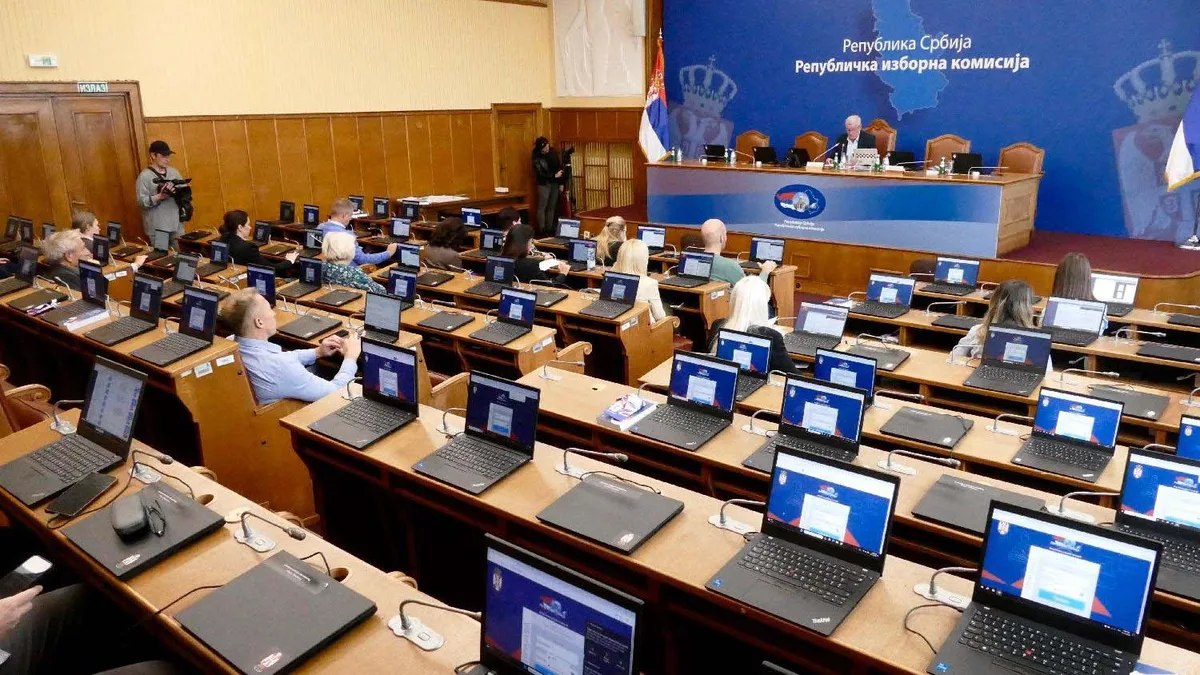
At 12:20, the RIK count covered 58 of 60 polling stations for Kosovo, where 33,986 voters cast ballots. In the north the Student List has 30.67 percent; in Pec, Ivica Dacic's list leads.
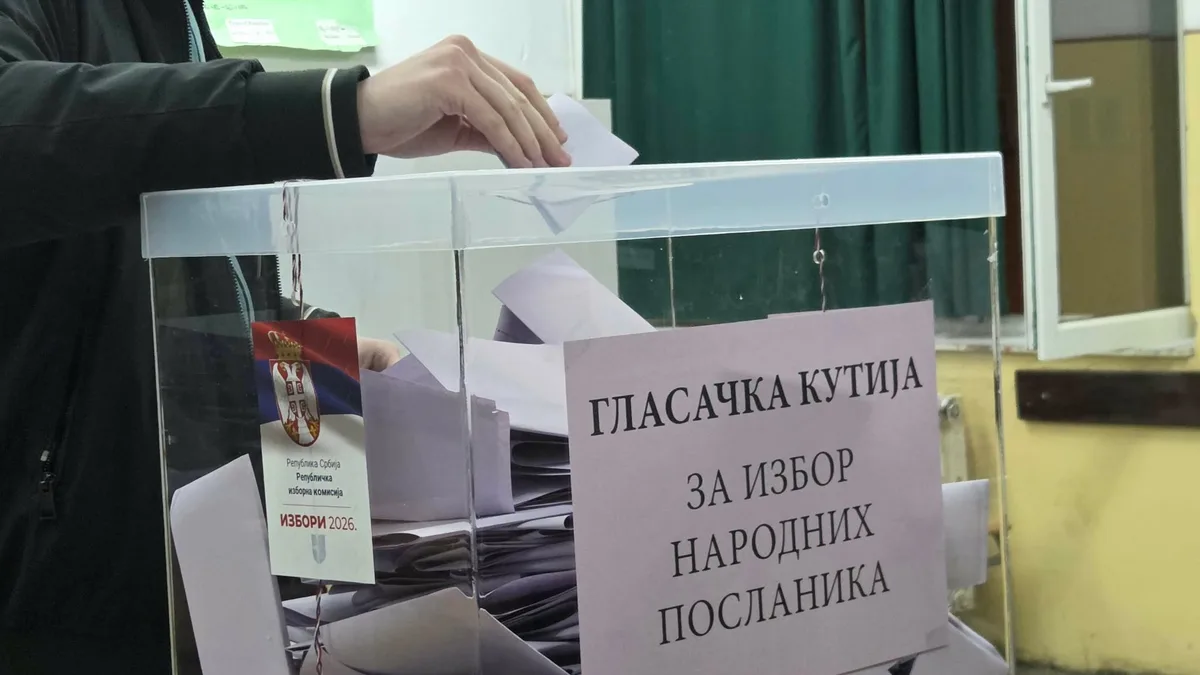
By 12:20 on Monday, October 26, the Republic Electoral Commission (RIK) had processed 58 of the 60 polling stations set aside for Kosovo voters, so results are now known for the Kosovo municipalities, including four in the north. The “Aleksandar Vucic - United Serbia” list has 24,344 votes, or 71.63 percent, and the “Students Win” Student List has 7,167 votes, or 21.09 percent.
This is a preliminary count. The results are not final until the RIK certifies and announces them, and the remaining two polling stations have not yet been processed. We earlier reported on voters waiting up to three hours at Merdare and Jarinje.
How Many Kosovo Voters Cast Ballots?
The Kosovo voter register lists 100,465 voters, and 33,986 of them voted at the stations processed so far. The “Ivica Dacic - Stability Factor” list received 1,075 votes, or 3.16 percent. The gap between the top two lists is 17,177 votes.
In the same count, across all of Serbia, the Student List has 2,246,624 votes (52.65 percent) and Aleksandar Vucic’s list has 1,673,398 votes (39.22 percent). The difference is 573,226 votes. In total, 8,136 of 8,392 polling stations have been processed, or 96.95 percent.
Voting was not held in Kosovo itself. The RIK designated 60 polling stations in Raska, Kursumlija, Vranje and Tutin, and the stations for the four northern municipalities were in Raska. The percentages therefore refer to votes from the processed stations, not to all Serbs living in Kosovo.
What Does the North of Kosovo Show?
In North Mitrovica, Zvecan, Zubin Potok and Leposavic, all 23 polling stations have been processed, and 14,550 voters cast ballots. Vucic’s list has 9,239 votes there (63.50 percent) and the Student List has 4,462 (30.67 percent). By municipality:
- North Mitrovica: Vucic’s list 2,721 votes (61.76 percent), students 1,415 (32.12 percent)
- Zvecan: students 924 votes (32.48 percent), the highest Student List share among the four northern municipalities
- Leposavic: Vucic’s list 3,200 votes (62.95 percent), students 1,597 (31.42 percent)
- Zubin Potok: Vucic’s list 1,597 votes (72.07 percent), students 526 (23.74 percent)
In three of the four northern municipalities, the Student List passed 30 percent. Zvecan is not the Student List’s best result in Kosovo as a whole: in Prizren, according to the same RIK data, only ten voters cast ballots, six for Vucic’s list and four for the Student List, which makes 40 percent.
How Did Voters in the Other Municipalities Vote?
In most of the other municipalities, Vucic’s lead is wider than in the north. In Pristina, 2,513 voters (74.26 percent) chose Vucic’s list and 564 (16.67 percent) the Student List. In Gnjilane, Vucic’s list received 3,169 votes (83.11 percent) and the Student List 494. Shares for Vucic’s list in other municipalities:
- Novo Brdo 89.22
- Kosovo Polje 86.90, at the only station processed so far
- Obilic 83.17
- Vitina 79.61
- Kosovska Kamenica 79.40
- Strpce 76.46
Pec is the only Kosovo municipality where Vucic’s list is not first in this count. There, Ivica Dacic’s list won 186 votes (47.45 percent), Vucic’s list 137 (34.95 percent), and the Student List 51 (13.01 percent).
What Do Radio KiM’s Sources Say?
Radio KiM reports that most Kosovo voters went to polling stations in Raska, Tutin, Vranje and Kursumlija in an organized way, by bus or car. According to that newsroom’s unofficial information, many of them, above all those employed in institutions and recipients of Serbian budget funds, were “advised” to back Vucic’s list. Radio KiM does not name a source for that claim.
Kosovo Serb politician Rada Trajkovic told Radio KiM:
Kosovo Serbs have not been liberated, and I think they voted en masse for those they believe “give them their salaries,” social protection, child benefits and everything else that financially and essentially belongs to them.
She added: “It is precisely in that way that they were mobilized to go and vote in such a high percentage for the SNS, and earlier for the Serbian List.” Trajkovic also argues that “Serbs in Kosovo and Metohija are the most discriminated community in Europe in the last 20-plus years.”
Miodrag Milicevic, executive director of the nongovernmental organization Aktiv, told the same newsroom that in his assessment support for the Student List among Kosovo voters was below expectations:
Only one fifth of all the voters who came out to the polls gave their vote to the Student List.
Milicevic expects a review of the Serbian Progressive Party’s policies in Kosovo and a revision of contracts. He sees the new authorities’ attitude in Belgrade toward the Serbian List and toward institutions financed from the Serbian budget as a particular challenge, and leaves that question open. The transfer of power, he says, will not be free of hitches: “I expect a peaceful transition of power, but I do not expect it to be entirely smooth.”
On the system that is changing, he said:
There will, I am sure, be a revision of contracts, of operations and of everything that made that system so powerful, and which yesterday, with incredible turnout, simply collapsed.
The RIK will determine the final results for Kosovo voters, as for the rest of Serbia, after all the records have been processed.